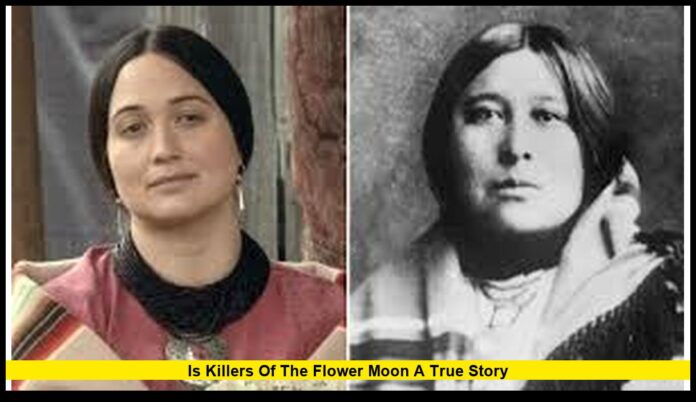
Is killers of the flower moon a true story? Yes. The book and the award-winning film are based on documented historical events involving the Osage Nation murders in Oklahoma during the 1920s, a period now confirmed as one of the most systematic crime conspiracies in early U.S. history.
The story centers on a wave of killings that followed the discovery of vast oil deposits beneath Osage land. By the early 1920s, Osage families had become extraordinarily wealthy because they owned legal rights, known as headrights, to profits from oil production. This sudden wealth attracted corruption, manipulation, and organized violence.
Table of Contents
The Real Historical Background
The Osage Nation was forcibly relocated to northeastern Oklahoma in the 1800s. The land, once thought worthless, later proved rich in oil. Under U.S. law, each enrolled Osage member received headrights that paid lifelong royalties.
By 1923, Osage citizens were among the wealthiest people per capita in the world. Large homes, automobiles, and trust accounts became common. At the same time, federal guardianship rules placed many Osage finances under the control of white attorneys, bankers, and businessmen. This system created an environment where exploitation could thrive.
The Reign of Terror
Between 1921 and 1926, dozens of Osage people died under violent or suspicious circumstances. The pattern revealed more than random crime. Family members were shot, poisoned, or killed in bombings. Others died after sudden illnesses that were later suspected to be deliberate poisonings.
One extended family suffered repeated losses. Sisters, cousins, and spouses died one after another. Life insurance policies and inheritance transfers often followed. Oil headrights moved into the hands of non-Native beneficiaries through marriage, guardianship, or fraud.
This period became known as the “Reign of Terror” within Osage County.
The Federal Investigation
Local law enforcement failed to stop the killings. Witnesses were intimidated. Evidence disappeared. Some officials were suspected of being compromised.
In response, federal authorities launched a covert investigation. Agents entered the region using false identities. They posed as ranch hands, oil workers, and insurance salesmen. Their mission was to uncover the network behind the murders.
The investigation exposed a criminal conspiracy led by a powerful local rancher who used relatives and hired killers to eliminate Osage family members. The goal was to gain control of their oil wealth through inheritance and legal manipulation.
This case later became recognized as the first major murder investigation handled by what would become the modern Federal Bureau of Investigation.
Trials and Convictions
The inquiry resulted in multiple prosecutions. Key figures were charged with murder, conspiracy, and fraud. Testimony revealed that killings had been planned over several years, using guns, bombs, and poison.
Several defendants were convicted and sentenced to long prison terms. Confessions and witness statements confirmed that financial gain from headrights was the motive. Although some perpetrators were eventually paroled decades later, the convictions established the truth of the conspiracy.
Historians now agree that the official body count likely represents only part of the full scale. Many deaths during the period were never formally investigated or reclassified.
How the Film Reflects the Facts
The motion picture adaptation follows the historical framework closely. It portrays:
- The sudden oil wealth of the Osage people
- The guardianship system that enabled exploitation
- The organized plot to marry into Osage families
- The coordinated murders to gain inheritance
- The undercover federal investigation
While the film uses dramatized dialogue and condensed timelines, the central events are factual. The identities of key victims, the methods of killing, and the structure of the conspiracy align with court records and historical research.
Some scenes are simplified for storytelling. Certain characters are merged or emphasized. These changes serve narrative clarity, not historical revision.
Cultural Impact Today
Public interest in the case has grown sharply since the release of the book and film. Osage leaders and historians continue to stress that the story is not merely entertainment. It represents a documented example of systemic exploitation and racial violence driven by economic greed.
Educational programs, museum exhibits, and archival projects now focus on preserving survivor accounts and legal records. Descendants of victims continue to seek recognition for relatives whose deaths were never formally acknowledged.
The question “is killers of the flower moon a true story” remains one of the most searched because audiences want to know whether such extreme betrayal and violence truly occurred. The historical record confirms that it did.
Key Facts at a Glance
- Time period: Early 1920s
- Location: Osage County, Oklahoma
- Victims: Dozens of Osage men and women
- Motive: Control of oil headrights
- Method: Poisonings, shootings, bombings
- Outcome: Federal investigation and multiple convictions
Why the Story Still Matters
The case revealed how legal systems, financial control, and racial prejudice combined to enable mass murder. It also marked a turning point in federal law enforcement history.
Today, the events are studied as a warning about what can happen when wealth, power, and discrimination intersect without accountability. The story remains a crucial chapter in American history, not only for the Osage Nation but for the nation as a whole.
The truth behind this story continues to resonate, and its lessons remain urgent—share your thoughts and stay engaged as history’s hidden chapters come fully into the light.

