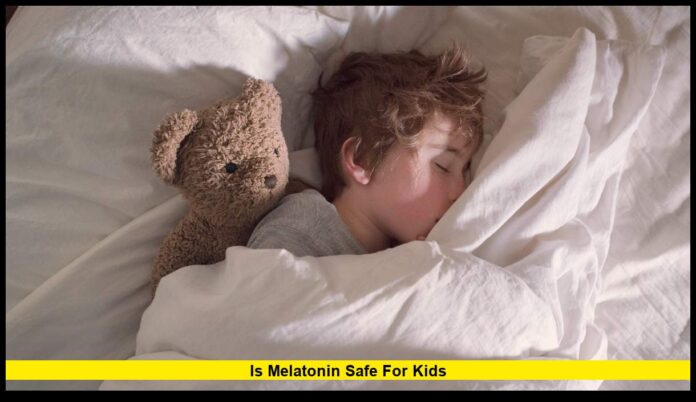
Many parents across the U.S. are wondering, is melatonin safe for kids? As of November 2025, this question has become more urgent than ever. Experts from the American Academy of Pediatrics (AAP) and the Centers for Disease Control and Prevention (CDC) are advising parents to use caution when giving melatonin to children. Recent studies reveal that the number of kids using melatonin for sleep has increased dramatically over the past decade, sparking new concerns about safety, dosage, and the potential long-term effects on child development.
Pediatricians explain that while melatonin can be helpful in certain short-term situations—such as temporary sleep issues, jet lag, or specific conditions like ADHD or autism—it is not meant for daily, unsupervised use. Because melatonin is a hormone that affects the body’s internal clock, too much or prolonged use could interfere with natural hormone balance and sleep rhythms. Another growing concern is product accuracy, as many over-the-counter melatonin supplements vary in strength and purity.
For now, experts recommend that parents always consult their child’s doctor before using melatonin and explore behavioral sleep strategies first. These include setting consistent bedtimes, limiting screens before sleep, and creating a calm nighttime environment to support natural rest..
Table of Contents
Melatonin Use Among Kids Is Growing Fast
In the past decade, melatonin has become one of the most popular sleep aids for children. From 2012 to 2023, its use among kids rose by more than 500%. Many parents turn to melatonin gummies, hoping for an easy fix to bedtime struggles caused by screens, stress, or busy schedules.
However, the CDC reports that calls to poison control centers about melatonin have tripled over the last ten years. Most cases were minor, but some involved serious health issues, especially in younger children who accidentally consumed large amounts.
What Doctors Say About Safety
Melatonin is a natural hormone that helps control sleep and wake cycles. As a supplement, it’s sold over the counter and is often used for jet lag or occasional insomnia.
For children, doctors say short-term use of melatonin can be safe—but only under a pediatrician’s guidance. Long-term safety is still unclear, as research is ongoing.
The AAP recommends that parents always consult a doctor before giving melatonin to their kids. Typical doses for children range from 0.5 mg to 3 mg, depending on age and health needs. Too much melatonin or prolonged use could affect hormone balance, mood, or even puberty.
Hidden Risks in Over-the-Counter Products
One of the biggest concerns is product accuracy. Because melatonin is sold as a dietary supplement, the FDA doesn’t regulate it as strictly as medications. Independent lab tests in 2024 found that some melatonin products contained up to 400% more or less of the listed amount. A few even contained traces of serotonin, a chemical that should not be present in sleep aids.
To stay safe, parents should:
- Choose products certified by U.S. Pharmacopeia (USP) or NSF International.
- Avoid brands that don’t list their ingredients clearly.
- Keep supplements out of reach of children to prevent accidental ingestion.
When Doctors May Recommend Melatonin
While melatonin isn’t for every child, pediatricians may suggest it in certain situations:
- Children with sleep disorders like delayed sleep phase syndrome.
- Kids with autism or ADHD who struggle to fall asleep.
- Temporary sleep disruptions from travel or changing school schedules.
Even in these cases, experts stress that healthy sleep habits come first. Melatonin should only be used when other methods—like consistent routines or limiting screens before bed—don’t work.
Policy Updates and New FDA Discussions
In 2025, lawmakers and health officials have been discussing tighter regulations for melatonin products aimed at children. The FDA has not yet issued new pediatric guidelines but acknowledges the need for clearer labeling and safety standards.
Health advocates also want packaging changes. Many melatonin gummies look and taste like candy, making them attractive to toddlers. Experts are pushing for child-resistant bottles similar to prescription medications to prevent accidental poisonings.
Warning Signs of Too Much Melatonin
If your child takes melatonin, watch for these possible side effects:
- Daytime tiredness
- Headaches
- Mood swings or irritability
- Stomach discomfort
- Nightmares or restless sleep
If any of these symptoms appear, stop using melatonin and talk to your child’s doctor.
Read Also :- Is Melatonin Safe for Kids? A 2025 Deep Dive into Facts, Risks, and Expert Opinions.
Healthier Sleep Alternatives for Kids
Before turning to supplements, try natural methods to help your child sleep better:
- Stick to a routine: Have a regular bedtime and wake-up time.
- Turn off screens early: Avoid phones, tablets, and TVs at least an hour before bed.
- Create a calm space: A dark, cool, and quiet room helps kids fall asleep faster.
- Stay active during the day: Exercise improves sleep quality at night.
These small changes can often fix sleep problems without the need for melatonin.
Bottom Line: Is Melatonin Safe for Kids?
Melatonin can be safe for children when used occasionally and under medical supervision. However, it shouldn’t replace healthy sleep habits or be used long-term without professional advice. Because supplements are not tightly regulated, parents should be extra careful about dosage and product quality.
Dr. Rachel Dawkins, a pediatric sleep expert, explained it clearly in 2025: “Melatonin is a helpful tool for some kids—but it’s not a magic fix. Good sleep routines are still the key to healthy rest.”
Parents should always talk to a doctor before giving melatonin to their child.
Have you tried melatonin to help your child sleep? Share your experience or thoughts in the comments below!

