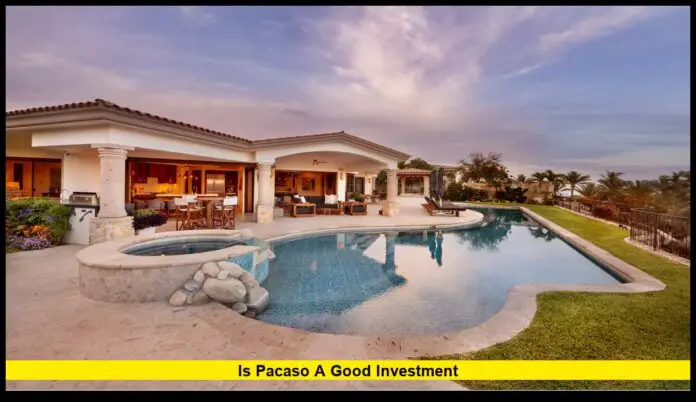
Is Pacaso a good investment? That question is on the minds of many U.S. investors in 2025 as the company continues expanding its unique model of fractional real estate ownership. Pacaso has created a new niche in property investment by offering co-ownership of luxury second homes. For those interested in real estate, lifestyle perks, or innovative proptech companies, the brand raises both opportunities and important risks.
This article provides a deep dive into Pacaso’s business, its financial performance, the pros and cons of investing, and what potential investors need to weigh before making a decision.
Table of Contents
What is Pacaso and How Does It Work?
Pacaso was founded with a simple mission: make luxury second-home ownership more accessible. Instead of requiring buyers to purchase a vacation property outright, Pacaso allows multiple investors to purchase shares of a property through a limited liability company (LLC).
Each investor receives a portion of ownership — typically one-eighth to one-half of the home. This ownership grants the right to use the property for a set number of days per year, based on their percentage.
Pacaso manages the property completely. The company handles:
- Scheduling usage through a digital booking platform
- Ongoing maintenance and repairs
- Utilities, taxes, and insurance
- Cleaning and hospitality-style preparation
For owners, this creates a streamlined experience without the burdens of full ownership. Unlike traditional timeshares, the shares represent true property ownership rather than just a right-to-use arrangement.
Pacaso in 2025: Where the Company Stands
As of this year, Pacaso has moved beyond its startup phase and positioned itself as a growing player in the proptech and real estate sector. It has expanded into several U.S. vacation destinations such as Aspen, Napa Valley, Malibu, Miami, and the Hamptons, while also opening properties internationally in Spain, Mexico, and the Caribbean.
In 2025, the company continues to refine its financial operations. Losses remain part of the picture, but the gap has narrowed compared to its early years. Pacaso has focused on improving efficiency, managing costs more carefully, and increasing its property portfolio to achieve better scale.
The company has also been exploring innovative financing structures and strengthening its technology platforms, signaling confidence in the long-term viability of its model.
Why Pacaso Appeals to Investors
When considering whether Pacaso is a good investment, it’s clear why many people are drawn to the model.
1. Accessible Luxury
Buying a luxury second home outright is unattainable for most Americans. By allowing fractional ownership, Pacaso makes high-end properties accessible at a lower entry cost. Investors who might never afford a $4 million home can buy a one-eighth share for around $500,000.
2. Professional Management
Managing a second property is time-consuming. Pacaso removes this hassle by offering full-service management. Investors don’t have to worry about landscaping, plumbing issues, or scheduling cleaning crews.
3. Equity Ownership
Unlike timeshares, Pacaso’s model gives real property ownership through an LLC. This means investors hold equity in an appreciating asset. When the home is sold, investors benefit proportionally from the appreciation.
4. Flexibility of Use
Owners can schedule stays based on their share and sometimes even swap time across Pacaso’s network of homes. This creates a lifestyle benefit alongside financial ownership.
5. Scalability
Pacaso’s model can expand into almost any vacation destination. As it grows its portfolio, owners gain more variety and potential for property value increases.
Challenges and Risks of Pacaso Investment
Despite the appeal, potential investors must carefully weigh the downsides.
1. Profitability Still Developing
Pacaso remains unprofitable. Although margins are improving, the company is not yet showing consistent profits. The risk of prolonged losses makes some investors cautious.
2. Regulatory Pushback
Some communities argue that Pacaso’s co-ownership resembles timeshares or short-term rentals, which are restricted in certain areas. Legal battles and zoning challenges could slow expansion or create costs.
3. Liquidity Limitations
Shares in Pacaso homes are not as liquid as stocks. Reselling a share depends on market demand for fractional vacation properties, which may fluctuate.
4. Luxury Market Volatility
The properties Pacaso acquires are in high-end markets. While attractive in strong economies, these homes can be vulnerable during downturns when demand for luxury retreats decreases.
5. Concentration Risk
Pacaso focuses exclusively on vacation properties. Investors looking for diversified real estate exposure may find this concentration risky compared to broader REITs or funds.
Financial Performance Trends
In recent years, Pacaso has made progress in narrowing its financial losses and increasing operational efficiency. The company has grown its property base while tightening expense management.
Revenue primarily comes from:
- Service fees charged to homeowners
- Transaction fees on property resales
- Financing and ancillary services
While the model continues to scale, profitability remains a long-term goal. Investors need to recognize that Pacaso is still in a growth stage rather than a mature, stable company.
Pacaso Compared to Alternatives
To answer the question, is Pacaso a good investment, it helps to compare with alternatives:
- Traditional Real Estate Investment: Buying a whole property may offer more control and liquidity but requires higher upfront capital and personal management.
- Timeshares: Typically cheaper but do not involve equity ownership. Pacaso’s model is stronger for wealth-building.
- Real Estate Investment Trusts (REITs): Offer diversification and liquidity but lack the lifestyle benefits of personal property use.
Pacaso sits between lifestyle consumption and investment, making it unique but also harder to categorize.
The Lifestyle Factor
One element that makes Pacaso distinct is the combination of financial investment with lifestyle benefits. Owners get access to luxury vacation properties for personal use. For many, this dual benefit is part of the appeal.
However, potential investors should recognize that this also complicates the return calculation. Part of the value lies in enjoyment rather than purely financial returns. If you’re evaluating Pacaso solely on ROI, it may appear less compelling than traditional real estate investments.
Growth Potential in 2025 and Beyond
Looking forward, Pacaso’s growth potential remains significant. Key drivers include:
- Rising Home Prices: As vacation homes become more expensive, fractional ownership becomes more attractive.
- Consumer Acceptance: More people are becoming comfortable with co-ownership models, especially younger investors.
- Network Expansion: The more properties Pacaso adds, the more valuable its platform becomes.
- Technology Integration: Streamlined booking and digital management enhance the experience, adding scalability.
If the company can manage costs, address regulatory hurdles, and demonstrate consistent returns, it could solidify its position as a leader in fractional property ownership.
Is Pacaso a Good Investment for You?
Whether Pacaso is a good investment depends largely on your goals.
- If you value lifestyle benefits alongside potential appreciation, Pacaso could be appealing.
- If you are seeking purely financial returns, you may find the risks and illiquidity less attractive compared to other real estate options.
- If you are comfortable with early-stage company risk and believe in the future of fractional ownership, Pacaso may fit into your portfolio as a high-growth, speculative investment.
Three Short FAQs
Q1: Is Pacaso the same as a timeshare?
No. Timeshares provide usage rights without equity. Pacaso offers ownership in an LLC that holds the property, meaning you build equity as values appreciate.
Q2: Can I sell my Pacaso share easily?
Resale is possible but not as liquid as selling public stocks. Pacaso facilitates resales, but finding buyers may take time depending on the market.
Q3: Does Pacaso generate passive income?
No. Owners don’t receive rental income. The benefit comes from property appreciation and lifestyle use rather than regular cash flow.
Conclusion
So, is Pacaso a good investment? The answer depends on perspective. Pacaso is not a traditional income-generating real estate vehicle, but it offers a unique blend of equity ownership and luxury lifestyle access. It can be a good fit for investors who want to enjoy vacation properties while holding a share in appreciating assets.
However, it also carries real risks: ongoing losses, regulatory challenges, illiquidity, and market sensitivity. For cautious investors, Pacaso may feel too speculative. For those willing to accept higher risk for the chance of long-term growth and lifestyle benefits, it may prove rewarding.
As the company continues refining its business and scaling operations, its future will become clearer. For now, Pacaso represents both innovation and uncertainty — a combination that demands careful thought before investing.
Disclaimer – This article is for informational purposes only. It does not constitute financial advice. Always consult a qualified financial advisor before making investment decisions.

