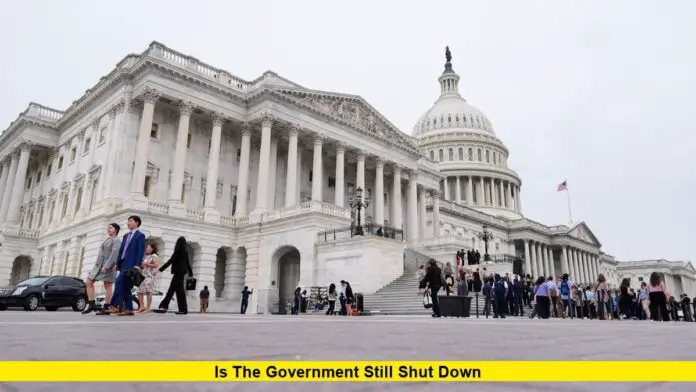
As of today, the government is still shut down in the United States. The shutdown began on October 1, 2025, after Congress missed the deadline to pass funding bills for the new fiscal year. Without a budget deal or even a temporary extension, federal agencies across the country have been forced to close or scale back operations. Millions of Americans are now experiencing the consequences.
This latest standoff in Washington has sparked frustration nationwide. Workers, families, and businesses are all asking the same question: when will this end? To understand the situation, it’s important to look closely at why the shutdown happened, how it is affecting daily life, and what the potential outcomes may be.
Table of Contents
Why the Government Entered a Shutdown
Every October, the federal government begins a new fiscal year. To keep services running, Congress must pass twelve appropriations bills or at least approve a short-term continuing resolution. This year, lawmakers could not agree on how much to spend—or where to spend it.
Some of the biggest sticking points include:
- Domestic Programs: Funding levels for education, housing, and social safety net programs.
- Foreign Aid: Disputes over cutting or maintaining assistance to allies overseas.
- Health Policy: Conflicts over Medicaid protections and health subsidies.
- Partisan Politics: Both sides unwilling to compromise, each pointing the finger at the other.
With no agreement in sight, the government entered a partial shutdown at the start of October, immediately impacting federal employees and the public.
How Federal Workers Are Affected
One of the clearest consequences of a shutdown is the effect on the federal workforce. Currently, hundreds of thousands of federal employees are being furloughed, meaning they are told not to report to work and will not be paid until Congress resolves the standoff.
Another large group of employees, considered “essential,” must keep working without immediate pay. This includes military members, border patrol agents, air traffic controllers, and federal law enforcement. For them, paychecks are frozen even as they continue to carry out critical duties.
For families living paycheck to paycheck, this creates significant stress. Rent, groceries, child care, and bills don’t stop just because Washington is gridlocked. Past shutdowns have eventually provided back pay once the government reopens, but in the meantime, workers and their families are left scrambling to stay afloat.
Which Services Are Still Operating vs. Which Are Affected?
Even though the government is still shut down, not everything comes to a complete stop. Some programs continue due to permanent funding, while others grind to a halt. The table below outlines the contrast:
| Services Still Operating | Services Affected or Closed |
|---|---|
| Social Security checks are still being issued | National parks and monuments have limited or no access |
| Medicare and Medicaid health coverage continues | Passport and visa processing delayed |
| Veterans’ health care remains available | Federal housing assistance programs slowed |
| Military operations and law enforcement active | Small Business Administration loan approvals paused |
| Air traffic control and safety functions ongoing | Federal research reports and economic data releases postponed |
| Essential postal operations (mail delivery) continue | Museums and cultural sites closed |
This quick comparison highlights how Americans may feel the shutdown in everyday life.
Economic Fallout of the Shutdown
The U.S. economy feels the impact of every government shutdown, and this one is no different. Each week the government remains closed, billions of dollars are drained from productivity and consumer spending.
Here’s how the economic pain is spreading:
- Federal Contractors: Companies that provide services to the government are losing income, forcing them to delay projects or lay off workers.
- Local Businesses: Shops and restaurants near government offices see fewer customers as federal workers cut back on spending.
- Financial Markets: Uncertainty about when the government will reopen adds volatility to Wall Street.
- Tourism: Cities and towns near national parks or monuments lose revenue when visitors cancel trips.
Economists warn that if the shutdown drags on, quarterly economic growth could slow, adding another layer of pressure to an already fragile economy.
The Political Standoff in Washington
The question many people ask—is the government still shut down—has become a symbol of frustration with Washington politics. Lawmakers are deeply divided, and both sides are blaming each other for the stalemate.
On one side, some lawmakers argue for steep spending cuts to reduce the deficit. On the other, others insist on protecting social programs and investments in infrastructure and health care. Neither side wants to appear weak to their supporters, making compromise harder to achieve.
With an election year approaching in 2026, political maneuvering is only intensifying. Instead of focusing solely on resolving the shutdown, leaders are also calculating how their positions will play with voters.
How Long Could This Continue?
There are a few possible scenarios for how the shutdown might end:
- A Short-Term Fix: Lawmakers could pass a temporary spending bill to reopen the government while larger negotiations continue.
- A Full-Year Budget Deal: This would require significant compromise but would provide stability for the remainder of the fiscal year.
- Prolonged Shutdown: If talks remain frozen, the shutdown could stretch on for weeks, as seen in past budget battles.
Right now, no clear resolution is on the horizon. Both political parties are holding their ground, and federal employees and the American public remain caught in the middle.
How Citizens Are Responding
For many Americans, the shutdown feels like yet another sign of dysfunction in Washington. Families of federal employees are turning to savings, community support, or second jobs to make ends meet. Small businesses reliant on government contracts are seeking private work to stay afloat. Travelers are changing plans as passports and parks remain in limbo.
At the same time, public pressure is mounting. Citizens are speaking out on social media, organizing rallies, and urging lawmakers to come to an agreement. While ordinary people have little control over the outcome, their voices add weight to the urgency of reopening the government.
Frequently Asked Questions About the Shutdown
1. How does the shutdown affect Social Security?
Social Security checks are still being issued because the program is funded separately from annual appropriations. However, some customer service functions, like replacing lost cards or verifying records, may be delayed.
2. Will federal workers get back pay?
Traditionally, federal employees do receive back pay once a shutdown ends. While legislation usually guarantees this, workers must wait until Congress reaches an agreement to see their pay restored.
3. Are national parks open during the shutdown?
Many open-air areas remain accessible, but visitor centers, restrooms, and staffed services are closed. Some parks may be entirely closed depending on available state or local support.
4. Does the shutdown affect air travel?
Flights are still operating because air traffic controllers and TSA officers are considered essential. However, long hours without pay may increase stress and cause staffing shortages, potentially leading to delays.
5. Can I still get a passport?
Passport processing continues but at a slower pace due to reduced staffing. Travelers may experience significant delays in receiving documents.
6. How does the shutdown affect small businesses?
Businesses that rely on federal contracts or loans face major delays. Many applications through the Small Business Administration are paused, hurting startups and expansions.
7. Will Medicare and Medicaid be interrupted?
No, these programs continue to provide coverage and process claims because they are funded through mandatory spending. Patients should not see disruptions in core services.
8. What happens if the shutdown lasts for weeks?
The longer the shutdown continues, the more severe the impact on workers, families, businesses, and the overall economy. Political pressure usually builds with time, forcing lawmakers to eventually reach a deal.
Conclusion
So, is the government still shut down? Yes—it remains shut down as of October 2025, with no resolution yet. The impacts are widespread, from federal workers missing paychecks to small businesses losing revenue and families facing daily disruptions.
As this standoff continues, the consequences only deepen, highlighting the need for leadership and compromise in Washington. Until a deal is struck, Americans across the nation will continue to feel the effects.
What are your thoughts on the ongoing shutdown? Share your perspective in the comments below and stay connected for the latest updates.

