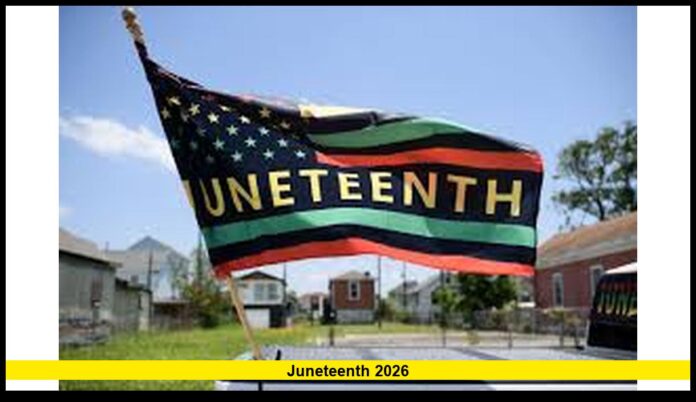
As the nation prepares for Juneteenth 2026, communities across the United States are planning celebrations, educational programs, cultural festivals, and commemorative events that honor one of the most significant dates in American history. This year, the holiday falls on Friday, June 19, 2026, creating a three-day weekend for many workers, students, and families.
Juneteenth has become an increasingly visible part of the national calendar since gaining federal holiday status in 2021. The observance continues to grow in prominence as Americans reflect on the history of emancipation, celebrate Black culture and achievement, and participate in community events focused on freedom, education, and civic engagement.
Looking for local Juneteenth celebrations? Check your city’s event calendar and community organizations for parades, festivals, concerts, educational exhibits, and family-friendly activities happening throughout the holiday weekend.
Table of Contents
What Is Juneteenth?
Juneteenth commemorates June 19, 1865, the day when Union troops arrived in Galveston, Texas, and announced that enslaved African Americans were free. The announcement came more than two years after President Abraham Lincoln issued the Emancipation Proclamation during the Civil War.
The date has long been recognized as a powerful symbol of freedom and the end of slavery in the United States. For generations, Black communities observed Juneteenth through gatherings, religious services, educational programs, music, food, and family celebrations.
Today, the holiday serves both as a celebration of freedom and as an opportunity to learn about American history.
Juneteenth 2026 Is a Federal Holiday
In 2026, Juneteenth National Independence Day falls on Friday, June 19, and continues to be recognized as one of the nation’s official federal holidays. The annual observance commemorates the end of slavery in the United States and serves as a day of remembrance, education, reflection, and celebration.
As a federal holiday, federal government offices and many public institutions will be closed in observance of Juneteenth. Numerous state and local government agencies may also adjust their operating schedules, although specific closures can vary by jurisdiction. Many banks, financial institutions, and other organizations are likewise expected to follow federal holiday schedules.
Because the holiday falls on a Friday in 2026, millions of Americans will have the opportunity to enjoy a three-day weekend spanning June 19 through June 21. The extended weekend is expected to encourage greater participation in community events, family gatherings, cultural celebrations, and educational programs taking place across the country.
Many cities and towns are planning festivals, parades, historical exhibits, concerts, volunteer projects, and public discussions throughout the holiday weekend. The Friday placement allows residents and visitors additional time to attend these activities, travel to major celebrations, and participate in programs that highlight the historical significance of Juneteenth.
For communities nationwide, the 2026 observance is expected to be one of the largest yet, reflecting the holiday’s continued growth in visibility and importance. The combination of federal recognition and a long summer weekend is likely to boost attendance at public celebrations, cultural events, museums, historic sites, and educational programs dedicated to honoring the legacy of freedom and the ongoing pursuit of equality.
How Juneteenth Became a National Holiday
Although Juneteenth celebrations have existed for more than 150 years, the holiday did not receive federal recognition until 2021. For generations, communities—particularly in Texas and other areas with strong historical ties to the observance—kept the tradition alive through annual gatherings, educational events, cultural celebrations, and family commemorations.
Momentum for broader recognition grew over the years as historians, educators, community leaders, and advocacy organizations worked to raise awareness about the significance of June 19, 1865. As public understanding of the holiday expanded, support for national recognition increased across the country.
In 2021, legislation establishing Juneteenth National Independence Day as a federal holiday received broad bipartisan support in Congress and was signed into law. The designation made Juneteenth the first new federal holiday added to the United States calendar in decades, marking a historic milestone in the nation’s recognition of its past and the importance of commemorating freedom.
Federal recognition significantly increased public awareness of the holiday. News coverage, educational initiatives, and community events introduced millions of Americans to the history behind Juneteenth and its connection to the end of slavery in the United States. As a result, participation in celebrations and educational programs has continued to grow in the years since the law was enacted.
Schools, museums, libraries, universities, cultural institutions, businesses, and local governments have increasingly incorporated Juneteenth programming into their annual calendars. Many organizations now host special exhibits, lectures, cultural events, volunteer initiatives, and public discussions designed to educate audiences about the holiday’s historical significance and contemporary relevance.
The federal designation also encouraged broader workplace recognition, community partnerships, and public observances across the country. What was once primarily a regional celebration has become a nationally recognized day of remembrance, reflection, education, and celebration.
Today, Juneteenth stands as one of the most important commemorative holidays in the United States, honoring the end of slavery while encouraging Americans to learn about history, celebrate cultural heritage, and reflect on the enduring values of freedom and equality.
Why the Holiday Continues to Grow in Importance
Juneteenth has evolved from a regional observance rooted in Texas traditions into a nationwide holiday recognized and celebrated by communities across every region of the United States. Its growth reflects a broader effort to better understand and acknowledge important chapters of American history while creating opportunities for education, reflection, and community engagement.
Today, many Americans view Juneteenth as an opportunity to learn more about the history of slavery, emancipation, and the events that shaped the nation’s development. The holiday encourages people to explore historical perspectives that may not always receive extensive attention in traditional narratives, helping foster a deeper understanding of the American experience.
Juneteenth also serves as a celebration of African American history, culture, achievements, and contributions. Through festivals, artistic performances, educational programs, and cultural exhibits, communities honor the resilience, creativity, and accomplishments of generations of African Americans whose influence has helped shape the country.
Another reason for the holiday’s growing importance is its strong connection to community involvement. Many people use the occasion to support local nonprofit organizations, participate in volunteer projects, attend public events, and engage with initiatives that promote education, opportunity, and civic participation. These activities help strengthen community ties while reinforcing the holiday’s message of collective progress.
Educational opportunities remain a major focus of modern Juneteenth observances. Across the country, schools, universities, museums, libraries, and historical sites have expanded their programming to include lectures, exhibits, discussions, curriculum resources, and public presentations that explore the significance of June 19, 1865, and its lasting impact on American society.
The holiday also provides an opportunity for reflection on the meaning of freedom, equality, citizenship, and democracy. For many Americans, Juneteenth is a time to consider both the progress that has been made and the ongoing efforts to ensure that the principles of liberty and equal opportunity are accessible to all.
As awareness continues to grow, Juneteenth has become more than a historical commemoration. It is now widely recognized as a day of remembrance, celebration, education, and community engagement—one that encourages Americans to better understand their shared history while looking toward the future.
How Americans Celebrate Juneteenth
Juneteenth celebrations vary widely from city to city, reflecting the diversity of communities across the United States. While each observance has its own local character, several traditions remain common throughout the country and help make Juneteenth a meaningful blend of celebration, education, culture, and community engagement.
Parades and Community Festivals
Many communities organize large public gatherings that serve as the centerpiece of their Juneteenth celebrations. These events often feature live entertainment, food vendors, local businesses, cultural exhibits, arts and crafts, and activities for children and families. Parades, street fairs, and outdoor festivals bring together residents and visitors for a shared celebration of freedom and community.
In larger cities, these festivals can attract thousands of participants and may include multiple days of programming, making them among the most anticipated events of the holiday weekend. Community organizations, local leaders, and volunteers frequently work together to create welcoming events that highlight both history and culture.
Historical and Educational Programs
Education remains a central part of Juneteenth observances. Museums, libraries, universities, historical societies, and cultural organizations often host lectures, exhibits, panel discussions, film screenings, and historical presentations that explore the significance of the holiday.
These programs help provide important context about the American Civil War, the Emancipation Proclamation, Reconstruction, and the long struggle for civil rights and equal opportunity in the United States. Many events encourage reflection, discussion, and a deeper understanding of the nation’s history.
Live Music and Cultural Performances
Music has long been an important part of Juneteenth celebrations and continues to play a major role today. Festivals and community events frequently feature gospel choirs, jazz ensembles, blues musicians, R&B performers, spoken-word artists, dancers, and theatrical productions.
These performances celebrate the rich traditions of African American culture while providing opportunities for communities to come together through art, storytelling, and shared experiences. Cultural showcases often include local artists and performers alongside nationally recognized talent.
Family Gatherings
For many families, Juneteenth is also a time for personal celebration and reflection. Relatives gather to share meals, tell stories, discuss family history, and honor the experiences of previous generations. Community cookouts, reunions, picnics, and neighborhood gatherings remain a cherished part of the holiday.
These family-centered traditions help strengthen connections between generations while preserving the stories, values, and cultural heritage that make Juneteenth meaningful to so many Americans.
A Holiday Rooted in Community
Whether through festivals, educational programs, musical performances, or family gatherings, Juneteenth continues to bring people together in celebration of freedom, resilience, and progress. As the holiday’s national recognition grows, communities across the country continue to find new ways to honor its history while creating traditions for future generations.
Thinking about attending a Juneteenth event this year? Many cities release event schedules weeks in advance, making it easier to plan a meaningful holiday weekend filled with learning, celebration, and community connection.
The Historical Significance of June 19, 1865
Understanding Juneteenth requires looking back at one of the most important moments in American history. The holiday commemorates June 19, 1865, the day when news of freedom finally reached many of the last enslaved African Americans in the Confederacy.
On that date, Gordon Granger arrived in Galveston and issued General Order No. 3, announcing that enslaved people were free. Although Emancipation Proclamation had been issued more than two years earlier by Abraham Lincoln, enforcement depended on the presence of Union troops. In parts of Texas, slavery continued until federal authorities arrived to implement emancipation.
The announcement in Galveston came after the effective end of the American Civil War and marked a turning point for thousands of formerly enslaved people who were finally informed of their freedom. For many, June 19 became a symbol not only of emancipation but also of hope, resilience, and the beginning of a new chapter in American history.
Among newly freed Black Texans, the date quickly became a day of remembrance and celebration. Early observances often included community gatherings, prayer services, music, educational activities, family reunions, and public readings that honored the significance of freedom. These traditions helped preserve the history of Juneteenth and passed its meaning from one generation to the next.
As African American families migrated from Texas to other parts of the country during the late nineteenth and twentieth centuries, they carried Juneteenth traditions with them. What began as a regional observance gradually spread nationwide, gaining recognition in communities across the United States.
Over time, these annual commemorations evolved into the modern Juneteenth celebrations seen today. The holiday now serves as both a celebration of freedom and an opportunity to reflect on the struggles, achievements, and contributions of African Americans throughout the nation’s history. By remembering the events of June 19, 1865, Americans continue to honor a pivotal milestone in the ongoing pursuit of liberty, equality, and justice.
Educational Institutions and Juneteenth
Schools, colleges, and universities across the United States have increasingly expanded Juneteenth-related educational programming as awareness of the holiday continues to grow. Many educational institutions view Juneteenth as an important opportunity to deepen understanding of American history and encourage meaningful discussions about freedom, equality, and civic engagement.
Today, many schools and universities offer a variety of programs and resources during the Juneteenth period, including historical lectures, curriculum materials, public discussions, cultural exhibits, student-led initiatives, and community outreach activities. These programs are designed to help students, educators, and community members better understand the historical significance of June 19, 1865, and its lasting impact on American society.
Historical lectures and guest speaker events often feature historians, scholars, authors, and community leaders who provide context about the end of slavery, Reconstruction, the Civil Rights Movement, and other important chapters in U.S. history. These presentations help connect historical events to contemporary discussions about citizenship, democracy, and equal opportunity.
Many institutions have also developed curriculum resources that allow educators to incorporate Juneteenth into classroom instruction. Lessons may include primary historical documents, biographies, multimedia resources, and discussions that encourage critical thinking about the nation’s past and its continuing influence on the present.
Public forums and panel discussions provide opportunities for students and community members to engage in thoughtful conversations about history, culture, and social progress. Universities frequently host these events as part of broader efforts to promote civic learning and community engagement.
Cultural exhibits, performances, and artistic presentations are another important component of Juneteenth programming. These events highlight African American contributions to literature, music, art, science, business, and public life while celebrating the richness and diversity of American culture.
Student-led events continue to play a growing role in Juneteenth observances. Student organizations often organize educational campaigns, cultural celebrations, volunteer projects, and community service initiatives that encourage participation and leadership among younger generations.
By integrating Juneteenth into educational programming, schools and universities help preserve historical knowledge while encouraging students to explore broader topics related to American history, civil rights, citizenship, democracy, and the ongoing pursuit of freedom and equality.
Businesses and Workplace Observance
A growing number of employers across the United States recognize Juneteenth as a paid holiday or provide flexible scheduling options that allow employees to participate in community events and observances. Since Juneteenth became a federal holiday in 2021, awareness and workplace recognition have expanded steadily across both the public and private sectors.
Many organizations use the occasion as an opportunity to promote education and community engagement within the workplace. Companies may host educational seminars, guest speaker events, historical presentations, panel discussions, and employee resource group activities that explore the history and significance of Juneteenth. These programs often encourage learning, reflection, and open dialogue about the nation’s past and its continuing impact on society.
Volunteer initiatives have also become a common part of workplace observance. Some employers organize community service projects, charitable partnerships, mentoring programs, food drives, or fundraising efforts that align with the holiday’s themes of service, opportunity, and community support. Employees may be encouraged to participate individually or as part of company-sponsored events.
Cultural celebrations are another way businesses acknowledge Juneteenth. Organizations may host events featuring music, art, storytelling, local community partners, or educational exhibits that highlight African American history, culture, and achievements. These activities can help foster a greater understanding of the holiday while strengthening connections among employees.
While workplace observance continues to vary by employer, industry, and location, public awareness of Juneteenth has increased significantly in recent years. As a result, more businesses are incorporating the holiday into their annual calendars and developing programs that support education, community involvement, and meaningful recognition of its historical importance.
Tourism and Travel During the Holiday Weekend
Because Juneteenth 2026 falls on a Friday, travel activity is expected to increase as many Americans take advantage of the three-day weekend. The timing of the holiday at the beginning of the summer season creates an ideal opportunity for family trips, cultural tourism, and participation in special events taking place across the country.
Cities and regions known for hosting large Juneteenth celebrations may experience higher visitor numbers throughout the weekend. Travelers often visit destinations that offer a combination of historical significance, cultural programming, live entertainment, and community events, making Juneteenth an increasingly important period for local tourism and hospitality industries.
Hotels, vacation rentals, transportation services, and popular attractions in major celebration areas could see increased demand as visitors plan weekend getaways around holiday festivities. For this reason, travelers considering Juneteenth weekend trips are generally encouraged to make reservations early, particularly for accommodations, flights, rental cars, and event tickets where applicable.
Many communities organize multi-day programs that extend beyond June 19 itself. These events frequently include cultural festivals, live music performances, educational exhibits, historical tours, food fairs, art showcases, parades, and family-friendly activities. The extended schedule allows visitors to experience a variety of programs while learning more about the history and significance of the holiday.
In addition to attending celebrations, many travelers use the weekend as an opportunity to visit museums, historic landmarks, cultural centers, and heritage sites that feature special Juneteenth programming. These destinations often provide unique educational experiences that help deepen public understanding of the holiday and its place in American history.
As Juneteenth continues to gain national recognition, the holiday weekend is becoming an increasingly significant travel period, bringing together tourism, education, cultural appreciation, and community engagement in cities and towns across the United States.
The Role of Museums and Historic Sites
Museums, historic landmarks, cultural centers, and heritage sites play a vital role in Juneteenth observances by helping preserve and share the history behind the holiday. During Juneteenth weekend, many institutions across the United States expand their programming to provide visitors with opportunities to learn about the end of slavery, the experiences of formerly enslaved people, and the broader story of African American history.
Throughout the holiday period, museums and historic sites frequently host special exhibitions that highlight significant historical events, influential figures, and cultural contributions that have shaped American society. These exhibits often feature artifacts, photographs, documents, and multimedia presentations designed to make history accessible and engaging for visitors of all ages.
Many institutions also organize guided historical tours that provide deeper insight into local and national history. Visitors may have the opportunity to explore preserved landmarks, hear expert interpretations, and learn about the communities and individuals connected to key moments in the struggle for freedom and civil rights.
Interactive programs and family-oriented activities are another important part of Juneteenth programming. Storytelling sessions, hands-on learning experiences, educational games, and cultural demonstrations help younger audiences connect with history in meaningful and memorable ways. Schools and community groups often participate in these activities as part of broader educational efforts.
Educational workshops, panel discussions, guest lectures, and public presentations allow historians, scholars, community leaders, and cultural experts to share knowledge and encourage thoughtful conversations about the holiday’s significance. These events often explore themes such as freedom, resilience, citizenship, civil rights, and the continuing impact of historical events on modern society.
By offering engaging educational experiences, museums and historic sites help preserve historical knowledge while encouraging reflection and dialogue. Their efforts ensure that Juneteenth remains not only a celebration of freedom but also an opportunity for deeper understanding of the people, events, and achievements that continue to shape the American experience.
Juneteenth and Community Engagement
One of the defining characteristics of Juneteenth is its strong emphasis on community engagement and collective participation. Unlike many holidays that focus primarily on private gatherings, Juneteenth is often celebrated through public events that encourage education, service, cultural appreciation, and meaningful connections among community members.
Across the United States, nonprofit organizations, neighborhood associations, faith-based groups, schools, cultural institutions, and local leaders frequently collaborate to organize programs that bring people together. These partnerships help create inclusive events that welcome individuals and families from diverse backgrounds while promoting a deeper understanding of the holiday’s historical significance.
Many Juneteenth observances include volunteer service projects that support local communities, such as neighborhood cleanups, mentoring programs, food distribution efforts, and charitable fundraising campaigns. Scholarship initiatives are also common, with organizations using the holiday as an opportunity to support students pursuing higher education and career development.
Voter education programs, civic engagement workshops, and public discussions about history, civil rights, and community leadership often play an important role in Juneteenth celebrations. These activities encourage informed participation in civic life while highlighting the importance of equal opportunity and democratic involvement.
Youth-focused events remain another key component of many local observances. Educational activities, cultural presentations, leadership workshops, sports programs, and creative arts initiatives help younger generations learn about the history of Juneteenth and its continued relevance in modern America.
This strong community-centered approach has been a major factor in the holiday’s continued growth and national recognition. By combining celebration with education, service, and civic participation, Juneteenth has evolved into more than a historical commemoration—it has become an annual opportunity for communities to come together, reflect on the past, and work toward a more inclusive future.
What to Expect Across the United States in 2026
As Juneteenth 2026 falls on a Friday, communities across the United States are expected to host an especially large number of events and activities throughout the holiday weekend. Since becoming a federal holiday in 2021, Juneteenth celebrations have continued to grow in size and visibility, with cities, schools, museums, cultural organizations, and local governments expanding their annual programming each year.
Americans can expect to see a wide variety of events designed to celebrate African American history, culture, resilience, and achievements. Many major cities are likely to organize large-scale festivals featuring live music, food vendors, local businesses, and community gatherings. Historical commemorations and educational programs will focus on the significance of June 19, 1865, when enslaved people in Texas learned of their freedom more than two years after the Emancipation Proclamation.
Cultural performances, including gospel concerts, jazz shows, dance presentations, spoken-word events, and theatrical productions, are expected to draw large audiences. Museums, libraries, and historical societies may host exhibitions, lectures, and panel discussions that explore the legacy of slavery, civil rights movements, and ongoing efforts to advance equality.
Many communities are also expected to organize volunteer opportunities and community service projects, reflecting the holiday’s emphasis on unity, civic engagement, and social progress. Family-friendly activities such as parades, educational workshops, storytelling sessions, outdoor movie screenings, and youth programs are likely to be featured in cities and towns across the country.
Art exhibitions showcasing African American artists, heritage displays, and cultural showcases will continue to play an important role in Juneteenth observances. Public celebrations in parks, civic centers, and downtown districts are expected to attract residents and visitors alike, creating opportunities for education, reflection, and community connection.
Because Juneteenth 2026 begins a summer weekend, participation levels could be particularly strong in many regions. The Friday holiday gives families more time to attend events, travel to celebrations, and engage in local activities, potentially making the 2026 observance one of the most widely attended Juneteenth weekends to date.
Local governments, nonprofit organizations, businesses, educational institutions, and cultural groups have increasingly incorporated Juneteenth programming into their annual calendars, highlighting the holiday’s growing role as a nationally recognized day of remembrance, celebration, and reflection.
Looking Ahead
The continued growth of Juneteenth reflects its importance within the broader American story.
As awareness expands, the holiday remains both a celebration and a moment for reflection. Communities across the country continue to embrace Juneteenth as an opportunity to honor history, recognize progress, and bring people together through education, culture, and shared experiences.
With a Friday observance in 2026 creating an extended weekend, millions of Americans will have the opportunity to participate in events that commemorate freedom, celebrate community, and deepen understanding of a defining chapter in the nation’s history.
How are you planning to observe Juneteenth this year? Share your thoughts and check back for more updates on celebrations and events happening across the country.

