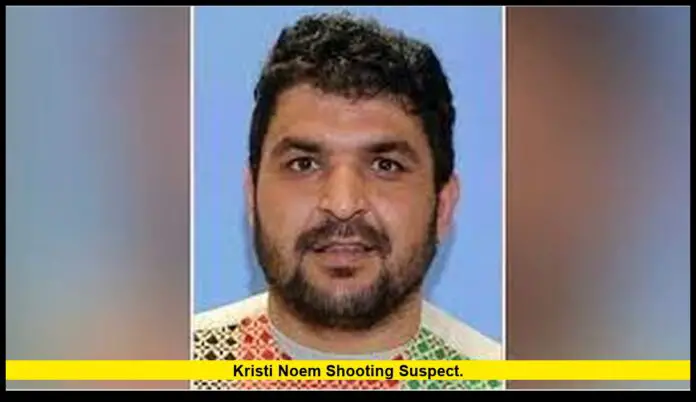
The Kristi Noem shooting suspect case took a dramatic turn today as authorities and senior officials offered fresh details about the man accused of killing a National Guard member and wounding another near the White House. The developments are fueling heated debate over asylum vetting, national security, and immigration policy in the United States.
Table of Contents
What we know now: the suspect, the victims, and charges
The suspect has been identified as Rahmanullah Lakanwal, a 29-year-old Afghan national who entered the United States in 2021 under a resettlement program for Afghan evacuees. He allegedly carried out an ambush-style attack on two members of the U.S. National Guard near the Farragut West Metro station in Washington, D.C. The victims: 20-year-old Specialist Sarah Beckstrom and 24-year-old Staff Sgt. Andrew Wolfe. Beckstrom died from her injuries; Wolfe remains hospitalized in critical condition. Lakanwal is now facing first-degree murder charges — and prosecutors have signaled potential terrorism charges and a possible death penalty case.
Why the suspect’s background matters
Authorities say Lakanwal previously worked with U.S. forces in Afghanistan and was evacuated to the U.S. under a special resettlement program for Afghans who aided American operations overseas. Though he was reportedly vetted by U.S. intelligence and counterterrorism agencies, senior officials — including Kristi Noem — are now questioning whether the vetting standards applied were sufficient. Noem stated that evidence suggests Lakanwal “could have been radicalized in the United States,” sparking renewed scrutiny of asylum and refugee-resettlement protocols.
Immediate fallout: policy shifts and immigration review
In response to the shooting, the federal government halted new asylum approvals for Afghan nationals and launched a comprehensive review of past resettlements connected to the 2021 evacuation. Homeland-security and immigration agencies are now re-examining records of individuals who entered under similar programs. Meanwhile, the incident triggered calls among lawmakers to tighten vetting requirements and reevaluate immigration-resettlement programs amid concern over national security.
Public reaction and impact on Afghan-resettlement community
The attack and subsequent revelations have sparked widespread concern — especially within Afghan-American and refugee communities. Some fear increased scrutiny and stigmatization of all refugees, while advocacy groups warn against sweeping generalizations that penalize innocent families for the actions of one individual. The case has already become a flashpoint in the ongoing national debate over immigration, security, and refugee policy in the post-2021 landscape.
What’s next: trial, investigation, and immigration consequences
Lakanwal remains in custody as federal prosecutors prepare first-degree murder and possible terrorism charges. Investigators are probing his background, communications, and possible links — domestic or foreign. Simultaneously, immigration authorities are reviewing asylum-case records from the 2021 Afghan intake, and Congress is expected to revisit legislative proposals that would tighten vetting for future resettlements.
Why this matters now
This case underscores the complex balance between national security and humanitarian commitments. As the U.S. continues to wrestle with the aftermath of its Afghan withdrawal and the influx of asylum-seeking evacuees, officials must walk a tightrope between protecting public safety and honoring pledges to vulnerable populations. The repercussions for immigration policy, refugee communities, and public trust in vetting are likely to echo for months to come.

