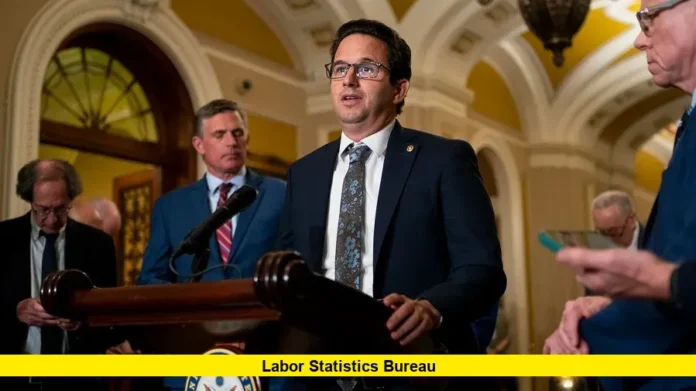
The labor statistics bureau is once again at the center of political controversy as former President Donald Trump has abruptly dismissed its head following the release of a disappointing jobs report. The decision has drawn national attention, sparking debate over the politicization of economic data and the independence of federal agencies.
Trump reportedly acted swiftly after the latest employment figures showed that only 73,000 jobs were added in July—well below economists’ expectations. Adding to the concerns were major downward revisions of over 250,000 jobs in the previous two months. Trump publicly criticized the labor statistics bureau for what he called “manipulated numbers,” claiming they were intended to damage his administration’s economic credibility.
The official removed from office was Commissioner Erika McEntarfer, a respected labor economist who had been appointed in early 2024. Her tenure had been seen as data-focused and apolitical, making her sudden dismissal particularly controversial.
Table of Contents
What the Jobs Report Revealed
The July jobs data indicated significant slowing in hiring across multiple sectors:
- Job Growth: Just 73,000 new positions in July
- Previous Months Revised: Over 250,000 fewer jobs than previously reported
- Unemployment Rate: Slight uptick to 4.2%
- Wage Growth: Flat compared to the previous quarter
These figures were seen by many economists as a sign of economic cooling, potentially hinting at stagnation. Market reactions were immediate, with the stock market falling and speculation increasing around a possible interest rate cut.
Trump’s Justification for the Dismissal
Trump accused the labor statistics bureau of presenting flawed data, though no evidence of wrongdoing has emerged. In his statement, he said the American people “deserve accurate, honest reporting of the economy—not numbers designed to mislead or sabotage.”
Critics argue that removing the head of a nonpartisan, data-driven agency for unfavorable numbers undermines the credibility of U.S. economic statistics. Many former officials and experts voiced concern that the integrity of economic reporting is now under threat.
Reactions Across the Political Spectrum
The firing has provoked reactions across party lines:
- Democratic Leaders: Called the move “an attack on truth and transparency.”
- Republican Figures: Some supported the decision, while others warned it could erode trust in government institutions.
- Economists and Analysts: Expressed worry that the labor statistics bureau may now face political pressure to adjust data to fit narratives.
The acting head of the agency has taken over temporarily, but it remains unclear who Trump will nominate next or how the Senate will respond to the eventual appointment.
What Happens Next for the Labor Statistics Bureau?
The future of the labor statistics bureau may now depend on public perception and how Congress responds. There is growing concern that this move could set a precedent for political retaliation based on economic reports.
Institutional trust in economic data is critical for everything from policymaking to investment decisions. If that trust erodes, the consequences could be long-lasting—not just for the bureau, but for the U.S. economy as a whole.
Whether Trump’s decision will have lasting political gain or backfire amid concerns of data manipulation remains to be seen. One thing is clear: the role of the labor statistics bureau is no longer operating quietly in the background—it’s become a focal point of national debate.
If you have thoughts on this issue or how economic data should be handled, feel free to share your opinion in the comments below.

