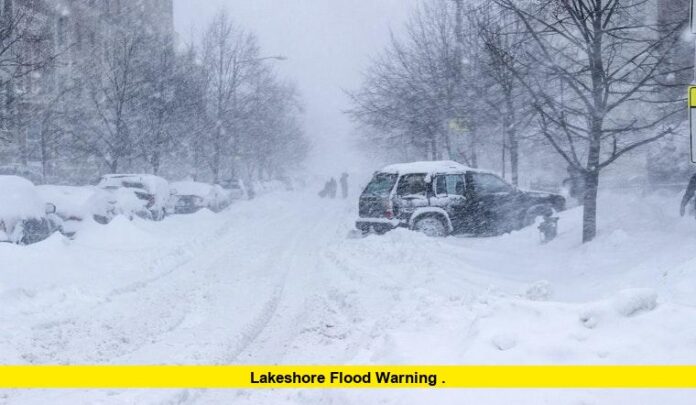
A lakeshore flood warning remains in effect across portions of Michigan’s Upper Peninsula and the Lake Superior shoreline as a powerful winter storm system sweeps through the region, bringing dangerous flooding, heavy snow, and widespread travel disruptions. Residents and travelers are being urged to prepare for rapidly changing conditions as wind-driven waves, snow, and flooding threaten communities along the lakeshore.
In this comprehensive update, we break down what is happening, where the impacts are most severe, and how local communities are responding to the dangerous weather conditions now underway.
Table of Contents
What the Lakeshore Flood Warning Means for Residents
National Weather Service offices have confirmed that a lakeshore flood warning is currently in place for Keweenaw, Marquette, and Alger counties along the Lake Superior shoreline. The warning extends into Monday, with significant shoreline flooding expected early Monday through the afternoon and into the night. Storm-driven waves and elevated water levels along the lake’s edge are pushing water inland, threatening roads, homes, and businesses located near the coast.
This type of warning indicates that flooding “is occurring, imminent, or highly likely to produce major impacts to life and property.” Along the Lake Superior shoreline, low-lying areas — including parking lots, lawns, and streets near the lake — face the greatest risk of inundation and erosion.
Authorities are urging residents in these counties to exercise heightened caution, especially where flooding has already begun or water levels are rising rapidly.
Severe Winds and Lake Waves Driving Flood Risk
One of the principal drivers of the lakeshore flooding is the combination of sustained and gusty winds interacting with Lake Superior’s vast surface. Strong northerly winds associated with the winter storm are pushing water toward the coastline, producing wave heights and surge levels that can overwhelm coastal barriers.
These winds are expected to generate dangerous waves and water levels that extend well inland from the normal shoreline, creating flooding on roads, near businesses, and in residential areas close to the lake.
Blizzard Conditions Compound the Situation
The winter storm hitting the Upper Peninsula isn’t only about flooding. Blizzard warnings are in effect for many counties bordering Lake Superior. Strong winds gusting up to 60-65 mph, combined with heavy snow, are producing whiteout conditions that make travel treacherous or impossible in many areas.
Snowfall totals are expected to vary widely across the region, with some inland areas seeing more than a foot of accumulation. Along the shore, heavy snow will be driven by the wind, reducing visibility and creating hazardous road conditions.
These blizzard conditions make it exceptionally difficult for emergency vehicles and snowplows to reach flooded areas, complicating response and recovery efforts.
Communities on Alert: Road Closures and Emergency Measures
Local officials and emergency management teams have begun implementing response measures as conditions deteriorate. In areas where flooding has been reported or predicted, authorities have:
- Closed certain low-lying roads and beaches near the lake to prevent vehicles from being stranded or swept away by flood waters.
- Urged residents to stay off flooded streets and avoid traveling unless absolutely necessary.
- Warned property owners in flood-prone areas to take precautions to safeguard vehicles, outdoor equipment, and basement or ground-level spaces.
Shelters and warming centers have been readied in some communities in case residents lose power or are displaced by flooding or heavy snow.
Property Damage and Shoreline Erosion Concerns
High water and pounding waves along Lake Superior have raised concerns about shoreline erosion. Property owners along the coast are especially vulnerable as the combination of elevated water levels and storm surge undermines dunes, seawalls, and natural barriers.
Beachfront properties and infrastructure close to the lakeshore are at significant risk. In some locations, water has already breached established shorelines, flooding lawns, driveways, and access points near the lake.
Officials continue to monitor the situation and are advising residents to move vehicles and equipment away from vulnerable areas.
Power Outages Likely as Storm Conditions Persist
The severe conditions are expected to cause sporadic power outages throughout the Upper Peninsula. Heavy, wet snow accumulating on power lines and trees — combined with high winds — increases the likelihood of downed lines and tree limbs.
Residents should be prepared for intermittent loss of electricity, especially in more remote areas where restoration efforts may take longer.
Travel Disruptions Across the Region
Travelers in and around the Upper Peninsula are facing significant delays and closures due to a combination of lakeshore flooding and winter storm conditions. Highway departments are struggling to keep up with snow removal and flood-induced road closures.
Travel advisories are particularly strong for:
- Roads adjacent to the Lake Superior shoreline, where flood waters and debris have encroached on pavement.
- Interior routes, where blizzard conditions have reduced visibility and made road surfaces slick and dangerous.
The recommendation from officials is clear: avoid travel if possible until conditions improve.
Local Response and Preparedness Tips
Officials recommend that residents and visitors:
- Avoid driving through standing water, especially near the lakeshore.
- Move vehicles and valuables to higher ground if they are near flood-prone areas.
- Stay updated on local alerts and warnings from emergency management and weather services.
- Prepare emergency kits including food, water, batteries, flashlights, and first-aid supplies.
Emergency crews are prepared to respond but urge people to act responsibly and avoid unnecessary risks.
Outlook Through Monday
The lakeshore flood warning and associated winter weather conditions are expected to persist through at least Monday. Water levels along the shoreline will remain elevated throughout the storm’s passage, and wind-driven waves may continue to cause flooding and erosion.
Meteorologists forecast that conditions should gradually improve later in the week as the storm system moves out of the region, but travel and recovery efforts may take additional time.
Residents should continue to monitor local weather conditions, heed evacuation directives if issued, and exercise caution around lakeshore areas.
Why This Situation Is Significant
The combination of a lakeshore flood warning, blizzard conditions, and high winds is uncommon outside of major storm systems and represents a serious multi-hazard threat to the Upper Peninsula. It underscores the power of Lake Superior’s influence on weather patterns and the need for residents to remain vigilant about changing conditions — especially during the peak winter storm season.
By staying informed and preparing proactively, individuals and communities can reduce risks and protect life and property as these severe conditions evolve.
Share your experiences with the storm or stay tuned for updates and local impacts as this system continues to unfold.

