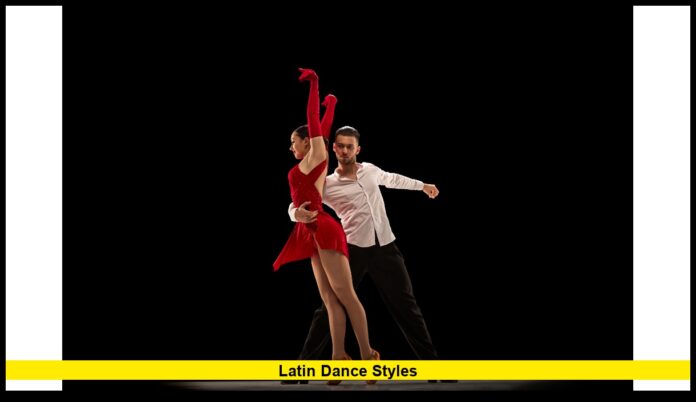
The global love for Latin dance styles has reached new heights in 2025, transforming dance studios, fitness centers, and social clubs across the U.S. into vibrant hubs of rhythm and energy. From salsa and bachata to samba and tango, these dances have evolved far beyond their cultural origins to become a global language of expression.
In cities like Miami, Los Angeles, and New York, Latin dance communities are thriving, bringing together people of all ages and backgrounds. Dance nights, festivals, and competitions fill local calendars, attracting both seasoned performers and newcomers eager to learn. The growing popularity of streaming platforms and social media has also fueled this boom — with millions of views on Latin dance tutorials, live performances, and viral challenges celebrating the artistry of Latin rhythm.
But beyond the spotlight and competition, Latin dance is a celebration of connection. It’s about joy, storytelling, and community. Whether performed in a professional ballroom or a neighborhood studio, each step carries emotion and history — honoring traditions that have traveled from the Caribbean, Central, and South America to captivate audiences worldwide.
More than just movement, Latin dance today represents culture in motion — alive, evolving, and uniting people through the universal language of rhythm.
Table of Contents
The Growing Influence of Latin Dance in the United States
Latin dance has deep roots in Latin America and the Caribbean, but its presence in the U.S. has grown tremendously over the past two decades. As of 2025, data from the National Dance Council of America (NDCA) shows Latin styles dominate amateur and professional ballroom competitions nationwide.
Streaming platforms and social media have also driven a new wave of enthusiasm. Videos tagged #SalsaDance and #BachataChallenge continue to trend on TikTok and Instagram, inspiring young dancers to explore Latin rhythms from the comfort of their homes.
Major streaming shows and dance films released in 2024–2025 have featured Latin-inspired choreography, further introducing these dances to wider audiences.
Core Latin Dance Styles in 2025
While Latin dance encompasses a wide variety of regional and cultural traditions, several core styles have gained international recognition. Each has unique musical roots, steps, and expressions — yet all share passion, rhythm, and connection.
Below are the most popular Latin dance styles performed and taught across the U.S. today:
1. Salsa
Origin: Cuba (with influences from Puerto Rico and New York)
Music Tempo: 150–250 beats per minute
Signature Moves: Quick steps, spins, and rhythmic hip motion
Salsa remains the heartbeat of Latin dance. Emerging from Cuban son and Afro-Cuban rhythms, it evolved in New York during the 1970s as musicians from the Caribbean merged jazz, mambo, and Latin percussion.
In 2025, salsa clubs are thriving in Miami, Houston, and Chicago. The style is often divided into three main forms: Cuban-style (Casino), Puerto Rican-style, and L.A./New York On1 or On2 styles. Salsa congresses — large-scale dance festivals — attract thousands of dancers from around the world each year.
2. Bachata
Origin: Dominican Republic
Music Tempo: 120–130 beats per minute
Signature Moves: Side-to-side steps, body waves, romantic connection
Bachata has transformed dramatically since its early days in the Dominican Republic. Once a rural folk dance, it now dominates global dance festivals. The modern form, often called “Sensual Bachata,” incorporates body isolations and close partner work to slower, melodic rhythms.
Bachata’s popularity in U.S. cities like Los Angeles and Dallas has skyrocketed, with new studios specializing exclusively in the style. Music by artists such as Romeo Santos and Prince Royce continues to inspire new choreography and social dance trends.
3. Cha-Cha-Cha
Origin: Cuba (1950s)
Music Tempo: 120 beats per minute
Signature Moves: Syncopated steps, sharp hip motion, and flirtatious styling
The cha-cha-cha, or simply “cha-cha,” grew from Cuban mambo music and gained massive popularity in ballroom dance circuits. It’s known for its distinct rhythm pattern — a syncopated “cha-cha-cha” beat that invites both playfulness and precision.
In 2025, cha-cha is a staple in dance competitions and remains a favorite among beginners for its accessible footwork and upbeat tempo.
4. Rumba
Origin: Afro-Cuban communities
Music Tempo: 104–108 beats per minute
Signature Moves: Slow, sensual hip movements and expressive arm styling
Often described as the “dance of love,” rumba focuses on emotion and connection. It combines Cuban rhythm with ballroom grace, telling stories through smooth, flowing movement.
In U.S. ballroom competitions, rumba is part of the “International Latin” category, alongside cha-cha, samba, paso doble, and jive. Dance instructors report that rumba is increasingly popular in wedding choreography for its romantic expression.
5. Samba
Origin: Brazil
Music Tempo: 96–104 beats per minute
Signature Moves: Bounce action, hip rolls, rapid footwork
Born from Brazil’s carnival culture, samba is both festive and athletic. The ballroom samba — distinct from street samba — is performed in competitions worldwide and features quick rhythmic steps and constant motion.
Brazilian dance schools in New York, San Francisco, and Miami now offer year-round samba training programs, teaching both traditional carnival-style and ballroom technique.
6. Tango
Origin: Argentina and Uruguay
Music Tempo: 120 beats per minute
Signature Moves: Dramatic pauses, sharp foot flicks (boleos), and emotional intensity
Argentine tango remains one of the most elegant Latin dance styles. It’s characterized by close partner embrace and improvisational steps that mirror the passion of its music.
In the U.S., tango communities are thriving in cities such as Portland and New York, where milongas (social tango gatherings) are held weekly. Modern tango fusion — blending electronic music with traditional elements — is increasingly popular among younger dancers.
Emerging Latin Dance Trends in 2025
The evolution of Latin dance continues to adapt to modern tastes and media influence. In 2025, several key trends are shaping the way people experience these styles:
- Hybrid Latin Fusion: Dancers are mixing salsa and hip-hop or bachata with contemporary choreography for performances that appeal to digital audiences.
- Wellness Integration: Latin dance is now part of fitness routines nationwide. Classes like Zumba Latin Beats and Dance Fit Latino combine cardio with authentic dance steps.
- Cultural Preservation Programs: Nonprofits across the U.S. are launching initiatives to preserve traditional Latin dance forms and teach their cultural history to younger generations.
- Social Dance Festivals: Post-pandemic growth has seen an explosion of Latin dance congresses, drawing international crowds to destinations like Las Vegas, Orlando, and New York.
These trends reflect the art form’s ability to evolve without losing its cultural roots.
Where to Learn Latin Dance in the U.S.
With Latin dance classes now available in nearly every major American city, opportunities to learn are abundant.
Top Latin Dance Hubs in 2025:
- Miami, Florida: Known for vibrant Cuban salsa and bachata nightlife.
- New York City, New York: The birthplace of mambo and salsa “On2.”
- Los Angeles, California: A center for Latin fusion choreography and global dance congresses.
- Houston, Texas: A growing bachata and cumbia community.
- Chicago, Illinois: Popular for competitive ballroom and social dance events.
Many dance schools also offer online programs, allowing beginners across the country to learn foundational steps from professional instructors via virtual classes.
Cultural Significance of Latin Dance
Beyond its entertainment value, Latin dance is deeply tied to cultural identity and heritage. It reflects the fusion of African, Indigenous, and European influences that shaped Latin America’s music and rhythm traditions.
For U.S. Hispanic communities, Latin dance remains a powerful expression of pride and unity. It’s performed at festivals, family gatherings, and cultural parades, symbolizing both history and evolution.
Moreover, researchers in 2025 continue to highlight the mental and physical health benefits of dancing — from improved cardiovascular fitness to reduced stress and increased social interaction.
Latin Dance in Competitive Sports and Media
Latin dance is also gaining traction as a performance sport. The World DanceSport Federation (WDSF) recognizes Latin dance disciplines in international competitions, and the Olympic Committee has discussed future inclusion under “breaking and cultural dance sports.”
Television shows like Dancing with the Stars and So You Think You Can Dance regularly feature Latin dance routines, helping educate global audiences on the artistry and discipline behind each movement.
Streaming platforms now feature documentaries spotlighting top Latin dancers and the communities keeping these traditions alive.
A Living Legacy
From Cuba’s streets to American ballrooms, Latin dance styles have transcended borders, generations, and languages. They remain a living legacy of rhythm, connection, and emotion — uniting people worldwide through movement.
As 2025 unfolds, Latin dance continues to evolve — celebrating both its rich cultural roots and its global, inclusive future.
Which Latin dance style inspires you the most — salsa, bachata, or tango? Share your thoughts below and stay connected for more cultural dance updates!

