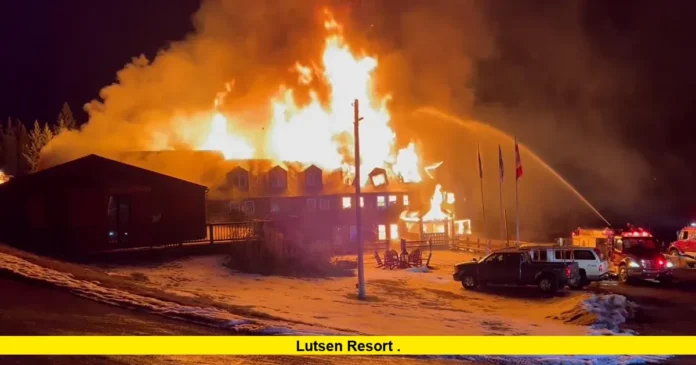
The owner of Lutsen Resort Lodge has been formally charged in a major development that brings new clarity to the 2024 fire that destroyed one of Minnesota’s most iconic lakeside destinations. The arrest ends nearly two years of uncertainty for guests, former employees, and the North Shore community that has long relied on the resort as an economic and cultural cornerstone.
Authorities confirmed that Bryce James Campbell now faces three counts of first-degree arson and one count of insurance fraud. These charges stem from the Feb. 6, 2024, fire that leveled the historic lodge and triggered a lengthy investigation involving state and federal fire experts. Evidence gathered over months pointed investigators toward what they now allege was a deliberately set blaze.
Table of Contents
The Night the Lodge Burned
Shortly after midnight on February 6, 2024, smoke alarms inside the lodge triggered an urgent response. Staff reported smoke rising from the main lobby area, and fire crews raced to the scene. Despite hours of continuous work, the building could not be saved. By sunrise, only the stone chimneys remained standing over the smoldering ruins.
No guests were present that night, and no injuries occurred, but the loss of the lodge struck a deep emotional chord for thousands. The resort, dating back to the late 1800s, had served generations of travelers seeking a quintessential Minnesota North Shore experience. The lodge that burned in 2024 had been rebuilt in 1952 after a previous fire—marking a second devastating loss in the resort’s long history.
Investigators Trace the Origin of the Fire
Fire investigators identified the fire’s origin point as the basement directly beneath the main lobby, near the area above the boiler room. While they did not publicly confirm the precise ignition source, they determined the burn patterns and damage were inconsistent with accidental causes. This finding ultimately opened the door to a criminal investigation.
In the months that followed, investigators reviewed financial records, communication logs, insurance documentation, and digital evidence. What they discovered painted an increasingly troubling picture.
Why Prosecutors Believe the Fire Was Intentional
Court filings reveal several key findings that prosecutors say point to deliberate arson. Investigators determined that the resort’s insurance policy had been significantly increased in the months leading up to the fire, raising the total coverage into the tens of millions. At the same time, the resort was facing serious financial distress, including unpaid contractors, outstanding loans, employee wage disputes, and lawsuits filed by cabin owners.
Authorities also cited digital communication records in which Campbell discussed burning the lodge, as well as location data placing him at the property less than an hour before the fire began. According to the charges, the combination of financial strain, increased insurance coverage, personal presence at the scene, and explicit messages formed a compelling case for intentional destruction of the property.
The insurance fraud charge alleges that following the fire, Campbell attempted to collect payment for the loss despite knowing the fire was intentionally set.
Arrest and Expected Court Proceedings
Campbell was taken into custody in Michigan and is awaiting extradition to Minnesota, where he will face the charges in state court. Legal experts note that first-degree arson charges carry extremely serious penalties, especially when prosecutors allege the defendant knew people could have been present in the building.
Community members, former staff, and North Shore business owners have expressed relief that charges have finally been filed. Many had watched the investigation unfold with increasing concern, wondering whether the truth behind the fire would ever be publicly confirmed.
Longstanding Problems Before the Fire
The fire deepened issues that had already affected the resort’s operations. Prior inspections had identified unresolved fire-code violations, including problems with suppression systems and alarm functionality. Lawsuits filed before the fire revealed further financial instability, including unpaid wages and disputes over rental revenue owed to cabin owners.
Combined with the insurance policy increases, these issues now shape much of the context prosecutors present as motive. The charges suggest that the resort’s financial outlook had become unsustainable, and that the fire was part of an attempt to resolve those problems through an insurance payout.
A Community Still Mourning the Loss
For residents of Minnesota’s North Shore, the destruction of the lodge represented a loss of heritage, history, and shared memories. Weddings, anniversaries, fishing trips, family reunions, and decades of tradition had taken place within its walls. Visitors from across the country had returned year after year to experience the warmth of the lodge’s fireplaces and its views of Lake Superior.
The absence of the lodge has left an economic and emotional gap. Seasonal workers lost employment, tourism patterns shifted, and nearby businesses have seen lasting effects. Even now, the former site of the lodge remains a reminder of what was lost.
The keyword lutsen resort continues to stand at the center of public attention as the case moves toward trial and as communities look for answers about the future of the property.
What Comes Next for the Site and the Region
There is currently no public plan for rebuilding the lodge. With the criminal case now advancing, the future of the property remains uncertain. The region’s tourism sector continues to adapt, but many locals hope that once the legal process concludes, discussions about restoring the lodge—or reimagining the site—can begin.
Additionally, the case may influence how insurers, regulators, and property owners approach fire safety, coverage adjustments, and financial oversight at older, historically significant resorts nationwide. The destruction of such a prominent landmark has heightened awareness across the hospitality industry.
Why the Case Matters Nationally
While the events occurred in Minnesota, the case has drawn broader attention due to its themes: the vulnerability of historic properties, the impact of financial pressure on decision-making, and the long-lasting damage that can follow when trust is broken between owners and the communities they serve.
Resorts and hotels across the country—especially those housed in older wooden structures—may face new scrutiny in light of the investigation’s findings. The story has become a powerful example of the importance of transparency and responsible stewardship of iconic destinations.
Closing Thoughts
With the owner now charged and the investigation reaching a turning point, the community surrounding the lodge is one step closer to closure. The coming months will reveal more details as the case moves through the courts. For now, the focus remains on accountability, healing, and the future of a place that has meant so much to so many.
Share your thoughts below or stay tuned as this major case continues to unfold.

