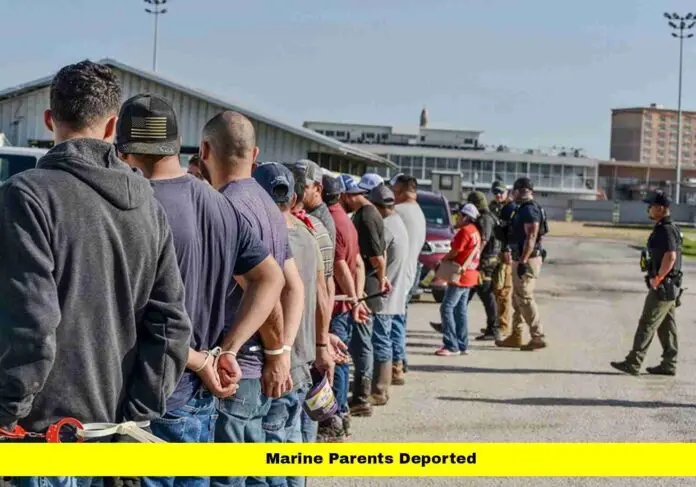
The case of marine parents deported has drawn national attention, highlighting the challenges immigrant families face even when deeply connected to the United States. Esteban Rios and Luisa Rodriguez, long-term residents of Oceanside, California, were detained by immigration authorities during a visit to Camp Pendleton to see their daughter and her Marine husband. Despite decades of legal residence, no criminal history, and a pending green card application, Esteban was deported to Mexico on October 10, 2025. Luisa’s status remains unresolved, leaving the family in shock and public discourse questioning the treatment of military families under current immigration policies.
Table of Contents
Family Background and Life in the U.S.
Esteban Rios and Luisa Rodriguez moved from Mexico to the United States in the early 1990s, establishing a life built on hard work, dedication, and family support. The couple raised two children: Steve, an active U.S. Marine, and Ashley, who married another Marine stationed at Camp Pendleton. Over the past three decades, they have contributed meaningfully to their community, working in various jobs such as cleaning services, house maintenance, and local businesses.
Their immigration status has been pending green card approval, sponsored by their son Steve, who wanted to secure permanent legal status for his parents. The family has no criminal record and is considered law-abiding, model residents. Their situation exemplifies the plight of many immigrants who, despite contributing to the country socially, economically, and through family ties, remain vulnerable to deportation.
The Detention at Camp Pendleton
On September 28, 2025, Esteban and Luisa arrived at Camp Pendleton intending to visit their daughter and her Marine husband. They were met at the base entrance by immigration authorities and detained despite presenting identification and clear family ties to active-duty military members. Esteban, wearing a shirt proudly stating, “Proud Dad of a U.S. Marine,” and Luisa were taken to a nearby detention facility.
Initially, both were released with ankle monitors and instructed to check in with ICE. However, during a subsequent check-in on October 2, 2025, they were re-detained. Esteban was deported to Mexico on October 10, 2025, while Luisa’s current location remains unknown. The abrupt nature of these actions has left the family emotionally devastated, particularly their children, who were unable to say goodbye properly to their father.
Emotional and Community Impact
The deportation of Esteban has left the family in distress. Steve Rios expressed heartbreak, saying, “I just kept looking at my parents. I didn’t know if it would be the last time I’d see them.” Ashley, who is expecting a child, faces this challenging period without the support of her parents nearby.
Local communities have voiced outrage over the case. Social media campaigns and public discussions have emphasized the disconnect between military service and immigration enforcement, questioning how families supporting the U.S. Armed Forces can face such harsh treatment. Many residents argue that this case reflects a broader failure to balance enforcement with compassion for families who have lived lawfully in the United States for decades.
Legal and Policy Concerns
The case of marine parents deported raises critical questions about U.S. immigration policies. Legal experts highlight that individuals with pending green cards, longstanding residence, and no criminal history should receive careful consideration before removal. Deportation under these circumstances demonstrates the complexities of immigration law and the discretionary powers of ICE.
Advocates are calling for a review of policies regarding military family members. Points of concern include:
- The lack of clear exemptions for long-term residents tied to active-duty service members
- Potential gaps in legal representation and procedural fairness
- The emotional and societal impact on multi-generational military families
- The broader implications for immigrant communities contributing to national defense
The legal ramifications of this case may influence future enforcement practices and prompt policy reform.
Broader Implications for Military Families
This deportation highlights systemic issues affecting families with military ties. Military families often face unique pressures, balancing service obligations with family stability. Deporting a parent of an active-duty Marine sends a troubling message about the treatment of families who support service members.
Key considerations include:
- Recognizing the sacrifices made by military families in policy decisions
- Ensuring that immigration enforcement does not inadvertently punish children serving in the military
- Providing mechanisms for humanitarian relief in cases of pending deportation
- Strengthening communication between military support networks and immigration authorities
Experts note that the psychological toll on military families can be significant, affecting readiness, morale, and trust in government institutions.
Reactions from Advocates and Public Figures
Human rights and immigrant advocacy groups have voiced strong condemnation of the deportation. They argue that the actions taken against Esteban Rios contradict the principles of fairness and respect for individuals contributing to U.S. society.
Community leaders and politicians have also called for immediate attention to cases like this, urging immigration authorities to consider military family connections as a mitigating factor. The case has prompted calls for policy revisions to prevent the deportation of long-standing residents who have maintained lawful behavior and family ties to military personnel.
Human Element and Witness Accounts
Neighbors and local residents describe Esteban and Luisa as pillars of the community. Many remember the couple helping local youth programs, assisting elderly neighbors, and participating in community events. The sudden deportation has left neighbors shocked and saddened.
Witnesses at Camp Pendleton recall the detention with disbelief. The family arrived unarmed, with no history of threats or criminal activity. Yet the enforcement was swift and seemingly unyielding, underscoring the sometimes rigid application of immigration rules.
Ongoing Developments and Family Efforts
As of mid-October 2025, efforts continue to determine Luisa Rodriguez’s status and location. The family is working with immigration lawyers to explore options for reunification. Public support has grown through social media campaigns, petitions, and local advocacy, amplifying awareness of the issue.
While legal and bureaucratic processes may take time, the family remains committed to staying together and raising awareness of the human impact of immigration enforcement, particularly on military families.
Conclusion
The deportation of Esteban Rios, a father of a U.S. Marine and a long-term U.S. resident, brings to light the profound challenges faced by immigrant families navigating complex immigration policies. The case of marine parents deported underscores the human cost of enforcement actions, particularly when they affect families actively supporting the military.
It also calls for careful reflection on policy improvements that recognize family contributions, provide humane considerations, and prevent the separation of households integral to military service and community life. Staying informed about cases like this ensures that the voices of affected families are heard, fostering accountability and compassion within immigration systems.

