
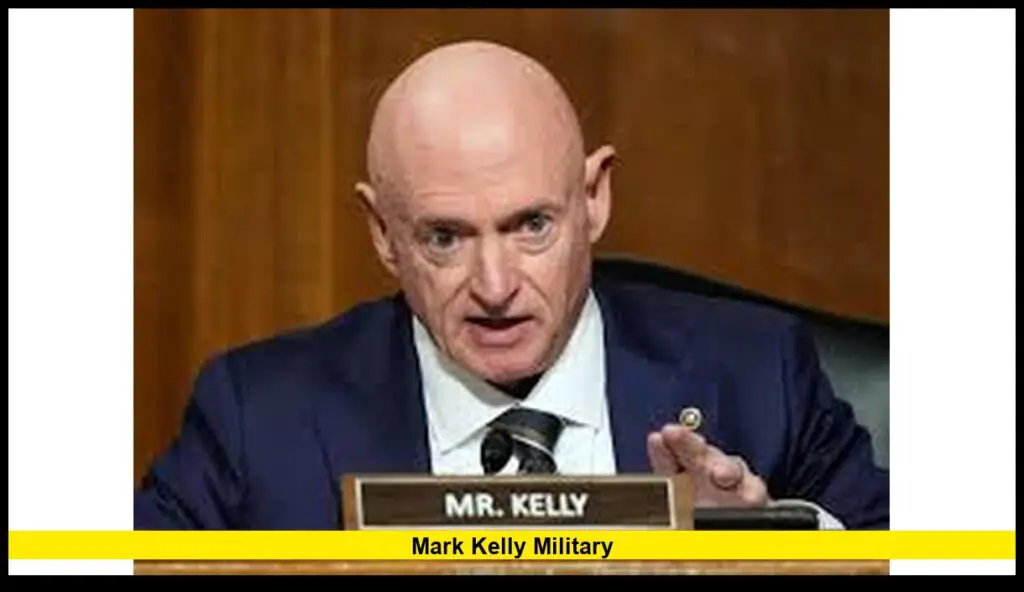
Mark Kelly military refers to his 25-plus years of U.S. Navy service as a combat aviator, test pilot, and captain, now under Pentagon review over post-retirement conduct.
Mark Kelly military service has once again become a major national topic in January 2026 after the U.S. Department of Defense initiated unprecedented actions that could affect his retired Navy rank and military retirement benefits. The developments come following a controversial public message Kelly made in late 2025, and they have sparked intense debate across the military, legal, and political spheres. This article provides a full, up-to-date look at his distinguished military career, the most recent Pentagon response, reactions from Kelly and lawmakers, and the potential implications of the unfolding review.
Table of Contents
Latest Developments in the Mark Kelly Military Review
On January 5, 2026, U.S. Defense Secretary Pete Hegseth issued a formal letter of censure to Senator Mark Kelly, a retired U.S. Navy captain, initiating administrative proceedings that could reduce his retired military rank and cut his retirement pay. The action stems from a video released in November 2025 in which Kelly and several other lawmakers urged U.S. service members to refuse unlawful orders.
The Pentagon has labeled Kelly’s statements “sedition” and “reckless misconduct” and claimed they undermined military discipline. Under Pentagon rules, retired officers remain subject to certain aspects of the Uniform Code of Military Justice, which is why Kelly alone among the video participants faces this review.
Kelly has 30 days to respond to the censure, and the Navy has 45 days to complete the retirement grade determination process, which could formally change his retired rank and pay structure.
Who Is Mark Kelly? A Look at His Military Career
Mark Edward Kelly’s naval service is long and storied, spanning more than 25 years and culminating in a senior leadership rank in the U.S. Navy.
Early Career and Education
- Kelly entered the U.S. Navy after graduating from the United States Merchant Marine Academy in 1986.
- He completed flight training and earned his naval aviator wings in 1987, beginning his career as a military pilot.
Combat Service: Operation Desert Storm
Kelly flew the A-6E Intruder attack aircraft during the Gulf War. He conducted 39 combat missions from the aircraft carrier where he supported coalition operations.
Test Pilot and Advanced Flight Experience
After his combat deployment, Kelly was selected for the U.S. Naval Test Pilot School, where he further developed his flight expertise.
During his Navy career, Kelly:
- Accumulated more than 5,000 flight hours in over 50 types of aircraft.
- Completed more than 375 carrier landings, which is a high-stress, high-precision skill unique to Navy aviators.
Awards and Decorations
Kelly earned multiple military honors through his service, including:
- Defense Superior Service Medal
- Legion of Merit
- Two Distinguished Flying Crosses
- Air Medals
- Various Navy commendations and achievements
Each reflects confirmed operational performance, leadership, and professional excellence.
NASA Career and Final Naval Command
In 1996, Kelly was selected as a NASA astronaut. He flew four Space Shuttle missions from 2001 through 2011, including commanding the final flight of Space Shuttle Endeavour. His NASA tenure added to his distinguished military résumé.
Kelly retired from both the Navy and NASA in 2011 with the rank of Captain.
From Military Service to Public Office
After his military and NASA careers, Kelly entered politics. He was elected to the United States Senate in 2020 representing Arizona and won re-election in 2022. In the Senate, Kelly has been an outspoken figure on national security, veterans’ issues, and defense policy.
The 2025 Video and Pentagon Reaction
What Happened in the Video
In November 2025, Kelly joined five other current and former military or intelligence officials in a recorded message to U.S. troops. The video reminded military personnel that they take an oath to defend the Constitution and have a duty under U.S. law to refuse unlawful orders.
Pentagon’s Formal Response
- Defense Secretary Pete Hegseth described the video as “reckless misconduct” and “seditious.”
- A formal letter of censure has been added to Kelly’s military file.
- The Pentagon announced it would begin a retirement grade determination process that could lower Kelly’s retired rank and reduce his military pension.
This level of administrative action against a sitting senator and retired military officer is extremely rare.
Kelly’s Response and Defense
Kelly has publicly condemned the Pentagon’s actions, calling them politically motivated and an attack on free speech. In his statements, he emphasized:
- The rank and retirement pay he earned through decades of naval service, including combat missions.
- His belief that reminding troops of their legal duty to refuse unlawful orders was both lawful and consistent with the Constitution.
Kelly’s legal team has signaled that he intends to vigorously contest the Pentagon’s actions.
Political and Public Reaction
The Pentagon’s decision regarding Mark Kelly military status has triggered swift and polarized reactions across Washington and beyond, underscoring the sensitivity of the case and its broader implications.
Response From Democratic Leaders
Several Democratic lawmakers and allies of Kelly have publicly criticized the censure, describing it as a politically motivated action rather than a neutral enforcement of military standards. They argue that the decision risks setting a precedent that could discourage retired service members from participating in public discourse, particularly those who transition into elected office. Supporters contend that Kelly’s remarks reflected long-established legal obligations within the military rather than a call for insubordination.
Some have warned that applying military administrative authority in this context could blur the line between civilian leadership and military oversight, raising concerns about the use of defense regulations to influence political speech.
Defense Officials and Military Perspective
Military leaders and senior defense officials have defended the Pentagon’s actions by emphasizing the importance of preserving good order and discipline within the armed forces. From this viewpoint, public statements by senior retired officers can carry significant influence among active-duty personnel, regardless of the speaker’s current civilian role.
Defense officials maintain that retired officers who continue to receive military benefits remain subject to specific regulations designed to protect the chain of command and the apolitical nature of the military. They argue that the review process is administrative, not punitive, and intended to uphold institutional standards rather than target political viewpoints.
Reaction Across the Political Spectrum
While much of the criticism has come from Democratic circles, the issue has also drawn attention from independent observers and some conservative commentators. Opinions vary widely, with some viewing the Pentagon’s response as necessary to safeguard military cohesion, while others see it as an overreach that could undermine constitutional freedoms.
The case has become a focal point for ongoing debates about executive authority, legislative independence, and the appropriate boundaries between military governance and civilian leadership.
Public Discourse and Veteran Community Response
Beyond Washington, the situation has resonated strongly within veteran communities and among military families. Many veterans have expressed concern about how the decision could affect retired service members who speak publicly on matters of national security or military ethics. Others support the Pentagon’s stance, arguing that the credibility of the armed forces depends on strict adherence to discipline and established norms.
Broader Implications for Civil-Military Relations
The controversy has reignited broader discussions about civil-military relations in the United States. Central to these discussions are questions about how far Pentagon authority should extend over retired officers, how free speech protections apply to veterans, and how military experience intersects with democratic participation.
As the review process continues, political and public reactions are likely to remain intense, reflecting the high stakes involved not only for Mark Kelly, but also for the evolving relationship between military service and civilian leadership in modern American democracy.
Understanding the Review Process
Under existing military regulations, retired officers occupy a unique legal status that places them in a category distinct from both active-duty personnel and ordinary civilians. While no longer serving in uniform, retirees who receive military pay and benefits remain subject to limited oversight by the Department of Defense.
Authority Over Retired Officers
Retired officers can be reviewed under specific administrative provisions tied to the Uniform Code of Military Justice and Department of Defense policy. This authority exists to protect the integrity of military command structures and ensure that conduct by senior former officers does not undermine discipline or public trust in the armed forces.
In Mark Kelly’s case, this authority is being applied because he retired at a senior rank and continues to receive retirement pay connected to that rank.
Retirement Grade Determination Board
The review process centers on a retirement grade determination board, an administrative body responsible for assessing whether an officer’s conduct after service reflects the standards expected of the rank held at retirement.
The board will evaluate:
- Whether Kelly’s actions align with the responsibilities associated with the rank of Navy Captain
- Whether his conduct warrants retention of that rank on the retired list
- Whether any administrative penalty is justified under existing regulations
This process does not involve criminal charges but carries serious professional and financial consequences.
Potential Impact on Rank and Pay
If the board determines that Kelly should not retain his retired rank of Captain, his rank could be administratively reduced. Any downgrade would directly affect his military retirement pay, which is calculated based on the final rank approved at retirement.
Such actions are uncommon and typically reserved for cases involving serious misconduct or violations that reflect poorly on military leadership standards.
Procedural Safeguards
Kelly has the right to formally respond to the censure and submit a defense as part of the review. The process includes defined timelines, internal review steps, and final approval by senior defense officials. Until the review concludes, no changes to rank or benefits take effect.
Why This Case Is Unusual
Cases involving retirement grade reviews are rare, particularly when they involve individuals who:
- Retired honorably after long service
- Are now serving in elected civilian office
- Have not been accused of criminal wrongdoing
Kelly’s situation highlights the seldom-used but still-existing authority the Department of Defense holds over retired military leaders and raises broader questions about how that authority should be applied in modern civil-military contexts.
As the review proceeds, the outcome may influence how future cases involving retired officers, public speech, and political engagement are handled across the military establishment.
Timeline of Mark Kelly Military and Recent Events
| Year | Key Event |
|---|---|
| 1986 | Kelly commissioned in the U.S. Navy |
| 1987 | Earned naval aviator wings |
| 1990–1991 | Flew 39 combat missions in Gulf War |
| 1993–1994 | Attended Naval Test Pilot School |
| 1996 | Selected as NASA astronaut |
| 2001–2011 | Flew four Space Shuttle missions |
| 2011 | Retired from Navy and NASA |
| 2020 | Elected U.S. Senator |
| Nov 2025 | Appeared in video urging troops to refuse unlawful orders |
| Jan 5, 2026 | Pentagon issues censure and begins retirement rank review |
Impact and Implications
The Pentagon’s actions involving Mark Kelly military status are significant for multiple reasons, and the latest developments have broadened the implications far beyond a routine administrative review.
Civil-Military Relations Under Scrutiny
The decision to censure a retired Navy captain who now serves as a U.S. senator has raised serious questions about how retired officers can engage in political speech without triggering military disciplinary mechanisms. Kelly’s case is unusual because he is the only participant in the controversial video who remains under Pentagon jurisdiction due to his retirement status and associated benefits. This has prompted legal scholars and former military leaders to debate the extent to which retired officers can speak on matters of public concern without fear of punitive action.
Free Speech vs. Military Discipline
The confrontation highlights a widening tension between constitutional free speech protections and the military’s interest in maintaining order and discipline. Kelly’s defenders argue that his message—urging troops to refuse clearly unlawful orders—is grounded in long-standing legal principles and should be protected as political speech. Meanwhile, Pentagon leadership characterizes the same statements as undermining military structure. This clash has fueled broader discussion about where the line is drawn when a veteran enters public office and exercises political speech that touches on military conduct.
Political Backlash and Polarization
The Pentagon’s action has also intensified political polarization. Supporters of Kelly view the censure as politically motivated and a dangerous precedent for using military regulations to influence or chill dissent among public officials with military backgrounds. Opponents argue that encouraging disobedience, even on principled grounds, could erode the fundamental trust and obedience upon which armed forces operate. The dispute has drawn attention from lawmakers on both sides of the aisle and become a flashpoint in debates over executive authority, legislative speech protections, and military governance.
Precedent for Future Cases
Kelly’s situation may set a precedent for how similar cases are handled in the future. Should the review lead to a downgrade of his retired rank or retirement benefits, retired officers who pursue public office or express strong views on military matters might face increased scrutiny. Legal experts are watching closely to see how administrative procedures unfold, whether constitutional protections prevail, and how this could influence military retirees’ willingness to engage in civic discourse.
Public Awareness and Legal Debate
The controversy has also spurred national discussion about the roles of retired military leaders in democratic society. Media coverage, legal commentary, and public debate are bringing heightened awareness to the unique legal status of retired officers. Questions persist about whether administrative tools designed for discipline during active duty are appropriate when applied long after service has ended, especially against individuals who served honorably and now operate in purely civilian roles.
Ongoing Review and Uncertain Outcomes
With Kelly given a formal censure, deadlines to respond, and a structured review process underway, the final outcome remains uncertain. The Pentagon’s actions will play out over the weeks ahead, and the final decision on Kelly’s retired rank and benefits could have lasting impact on his legacy as well as on how military and civilian roles intersect going forward.
The ongoing debate underscores that Mark Kelly’s military service record and the current Pentagon review are not just administrative matters—they touch on deeper questions about the balance between military discipline, individual rights, institutional authority, and democratic expression.
What do you think about the Pentagon’s actions and their impact on retired military leaders in public life? Share your thoughts below and stay tuned for further developments.

