The landscape for home financing just shifted again — and if you’re eyeing a mortgage or refinancing, this could matter more than you think. Today’s update to mortgage interest rates today reflects a nuanced reaction to the latest move by the Federal Reserve, and it deserves a close look no matter your housing plans.
Table of Contents
What Happened: The Fed’s Latest Rate Cut
On December 10, 2025, the Federal Reserve lowered its benchmark federal funds rate by 25 basis points. This was the third rate cut of the year, bringing the target range to 3.50%–3.75%. The vote included notable dissent from three policymakers who disagreed on whether a cut was necessary or whether the cut should have been larger.
The Fed also released its final economic projections for 2025, indicating expectations for slower economic activity and signaling that only one additional rate cut is anticipated in 2026. Officials cited ongoing uncertainty surrounding job growth and inflation trends, reinforcing their commitment to supporting stability while remaining cautious.
Where Mortgage Rates Stand Now
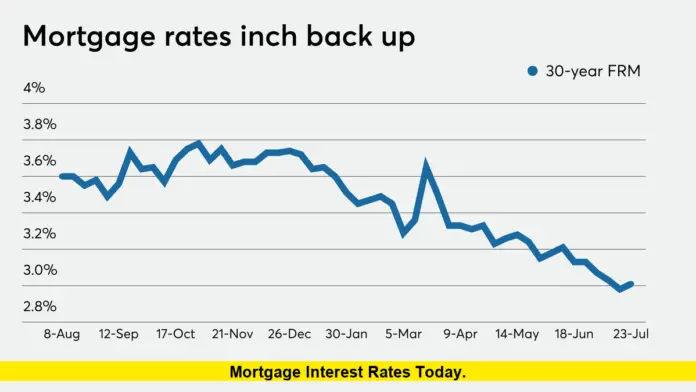
Despite the Fed’s rate cut, mortgage interest rates have not fallen sharply. As of today:
- The nationwide average for a 30-year fixed mortgage is holding in the 6.19%–6.30% range.
- Some market surveys show rates near 6.34%, reflecting normal variation between lender assessments.
- The average 15-year fixed mortgage rate sits around 5.44%.
While consumers might assume a lower federal funds rate leads directly to lower mortgage rates, long-term mortgage pricing is tied more closely to bond market dynamics, inflation expectations, and overall economic sentiment. Treasury yields — particularly the 10-year yield — continue to exert strong influence on mortgage rate movement.
Why Mortgage Rates Didn’t Drop Sharply
Even with the rate cut, mortgage rates remain above 6% for several key reasons:
- The federal funds rate primarily affects short-term borrowing costs, not long-term mortgage loans.
- Mortgage rates move based on long-term bond yields and investor expectations, which have remained somewhat elevated.
- Market participants had already anticipated the Fed’s cut, meaning lenders had priced in much of the shift before the official announcement.
- Lingering questions about inflation and future economic performance have kept investors cautious, limiting downward pressure on long-term rates.
These factors combined to keep mortgage rates relatively steady rather than causing dramatic declines.
What This Means for Homebuyers and Refinancers
For Buyers: A Careful Shopping Strategy Matters
If you’re entering the housing market, diligence is essential. Rates in the low-to-mid 6% range still provide opportunities for meaningful savings — especially if you:
- Maintain a strong credit profile
- Compare offers from multiple lenders
- Explore mortgage points or specialized loan programs
- Monitor day-to-day rate shifts and lock at the right moment
Even a small decrease in your offered rate can translate into significant monthly and lifetime savings.
For Homeowners Considering Refinancing
Those who originally locked loans near or above 6.5% may find it worthwhile to explore refinancing options. The current environment could help reduce monthly payments, especially for borrowers planning to stay in their homes for several years.
However, refinancing only makes sense when the long-term savings outweigh closing costs. Homeowners should calculate break-even timelines carefully before making a decision.
Don’t Expect Immediate, Significant Rate Drops
While the Fed’s rate cut signals a shift toward easier monetary conditions, mortgage rates typically adjust more slowly. Bond markets remain sensitive to inflation readings and economic indicators, meaning mortgage rates may decline gradually rather than sharply.
Still, the December cut creates a more favorable trajectory for borrowers hoping for improved conditions in the months ahead.
What Will Influence Rates Moving Forward
Several variables will shape the direction of mortgage rates in the near term:
- Treasury Yields
A drop in long-term yields could ease mortgage rates, but yields remain reactive to economic data. - Inflation Updates
Cooling inflation often helps bring mortgage rates down, but persistent inflation keeps pressure on lenders and investors. - Employment and Economic Reports
Stronger job growth may push rates upward, while softer economic data often has the opposite effect. - Future Fed Communications
Although the Fed has signaled only one additional cut next year, unexpected economic developments could shift its approach.
Borrowers who follow these indicators will be better prepared to act when opportunities arise.
Should You Lock a Rate Now?
The answer depends on your financial situation and risk tolerance.
- If you see a competitive rate near the lower end of the current range and expect to stay in the home long-term, locking now may be beneficial.
- If you believe rates may decline modestly in the coming months and are not under time pressure, waiting could be a reasonable choice.
- For risk-averse borrowers, locking in a stable rate may offer welcome certainty during a period of economic fluctuation.
No strategy fits everyone, but understanding the forces driving rates can help buyers and homeowners make smarter decisions.
Bottom Line: Mortgage Interest Rates Today Signal Stability With Room for Improvement
The latest rate cut from the Federal Reserve did not result in a sudden mortgage rate drop, but it did strengthen the outlook for gradual relief. With 30-year fixed mortgage rates hovering around 6.2% to 6.3% and 15-year rates holding in the mid-5% range, borrowing costs remain elevated compared to historic lows — yet considerably better than the peaks of recent years.
For buyers, this environment rewards research and preparation. For homeowners, refinancing may be increasingly attractive. And for anyone watching the market, trends in Treasury yields, inflation data, and economic performance will be key to identifying future opportunities.
Share your thoughts below and let us know how today’s mortgage rate landscape is shaping your homebuying or refinancing plans.

