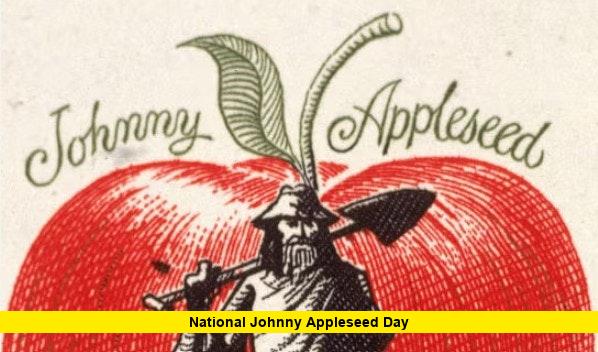
Every September 26, Americans celebrate National Johnny Appleseed Day to honor the birthday of John Chapman, the man who became legendary as Johnny Appleseed. His life was a blend of fact and folklore, but his contributions were real and lasting. From planting nurseries across the expanding frontier to inspiring stories of kindness and vision, Chapman shaped American agriculture in ways that are still visible today.
In 2025, this annual observance continues to hold significance. Across schools, communities, orchards, and households, people are using the day to enjoy apples, reflect on conservation, and pass along a story that embodies both history and myth.
Table of Contents
The Life and Legacy of John Chapman
John Chapman was born on September 26, 1774, in Leominster, Massachusetts. His early years were shaped by the turbulence of Revolutionary America, but as a young man he found a unique purpose: planting apple trees across unsettled lands.
Unlike the romanticized tales of a man tossing seeds at random, Chapman was deliberate in his work. He established nurseries, protected them with fences, and revisited them regularly to care for the young trees. His efforts stretched across Pennsylvania, Ohio, Indiana, Illinois, and beyond, leaving behind thousands of apple trees for future generations.
Chapman’s work was practical, too. During the 18th and 19th centuries, land was often considered “improved” if it had an orchard, which gave settlers a legal claim. By providing seedlings, Johnny Appleseed helped families secure homesteads while also spreading an essential crop.
Yet, he became more than just a nurseryman. His plain lifestyle, generosity, and love of nature earned him a place in folklore. By the time of his death in 1845, Chapman was already a living legend—his story passed on as an example of simplicity, foresight, and harmony with the land.
Why National Johnny Appleseed Day Is Celebrated on September 26
The date of September 26 marks John Chapman’s birthday. While some communities also recognize Johnny Appleseed in March to align with spring planting, the autumn observance has become the standard across most of the United States.
September also fits naturally with the apple harvest season. Across orchards and markets, baskets overflow with crisp varieties, families pick apples for pies and cider, and communities host fall festivals. National Johnny Appleseed Day ties his story to the bounty of the season, making the celebration both historical and agricultural.
National Johnny Appleseed Day 2025: Highlights Across the U.S.
This year, events across the country are bringing Chapman’s legacy to life in diverse ways. Communities in the Midwest, where he spent much of his life, are especially active in hosting tributes.
- Orchard Festivals: Farms in Ohio, Indiana, and Illinois are offering apple tastings, hayrides, and storytelling sessions about Johnny Appleseed. Families gather to enjoy cider, pies, and apple-picking while honoring his history.
- School Lessons and Activities: Teachers are using the day to teach children about Chapman’s contribution to agriculture and conservation. Classrooms are filled with apple-themed crafts, essays about sustainability, and seed-planting activities.
- Library Readings: Public libraries are holding story hours featuring both historical accounts and folklore tales about Johnny Appleseed.
- Tree Planting Ceremonies: Civic groups and environmental organizations are planting apple trees as symbols of growth, sustainability, and connection to the land.
The 2025 focus has leaned heavily toward conservation, reminding participants that Chapman’s work was not just about apples but about planting for the future.
How Families Are Embracing the Holiday
Not every celebration is organized on a grand scale. Across the United States, families and individuals are marking National Johnny Appleseed Day in simple, personal ways:
- Cooking with Apples: Apple pies, crisps, sauces, and ciders are prepared in kitchens as a nod to Chapman’s legacy.
- Farmers’ Market Visits: Shoppers are supporting local growers, buying apple varieties tied to American history.
- Backyard Planting: Even small gardens are used to plant apple seeds or saplings, continuing Johnny Appleseed’s tradition of planting for future generations.
- Social Media Sharing: Photos of apple-picking trips, classroom projects, and orchard tours are filling feeds with the tag #JohnnyAppleseedDay.
Why Johnny Appleseed Still Matters Today
Johnny Appleseed’s story resonates because it symbolizes values that remain relevant:
- Conservation and Environmental Stewardship: His work reminds us of the importance of planting for the future and caring for natural resources.
- Generosity and Simplicity: Chapman was known for his kindness, often giving seeds to settlers who could not afford them.
- American Folklore: His story blends history and myth, showing how legends can preserve cultural values.
- Resilience and Vision: He traveled rugged lands, facing hardship, yet focused on leaving something lasting behind.
Fun and Lesser-Known Facts About Johnny Appleseed
- He wore clothing so simple that it became iconic, often described as a sack with holes cut for arms.
- Most apples he planted were for cider rather than eating fresh, since cider was a safe and common drink for settlers.
- He lived a minimalist life, moving often and carrying only essentials.
- His nurseries gave settlers both practical help and hope for the future.
- Today, towns in Ohio and Indiana host annual Johnny Appleseed festivals that draw thousands of visitors.
Ways to Celebrate in Your Own Community
National Johnny Appleseed Day is not limited to orchards or schools. Anyone can take part in ways that keep his legacy alive:
- Host a Family Apple Day: Bake together, share recipes, and tell Chapman’s story to children.
- Plant a Tree: Whether it’s an apple or another native species, planting supports the environment.
- Support Local Farmers: Buying local produce connects you to the agricultural heritage Johnny Appleseed helped nurture.
- Read and Share Stories: Pass down the folklore so that new generations know who Johnny Appleseed was.
- Spend Time in Nature: Take a walk outdoors and reflect on the simple joys of the natural world—something Chapman valued deeply.
Looking Ahead: Why the Legacy Endures
In today’s world, where sustainability and conservation are urgent issues, the story of Johnny Appleseed feels especially timely. His life shows that even one individual, working quietly and consistently, can leave a legacy that spans centuries.
National Johnny Appleseed Day is more than a holiday about apples—it is a reminder that small actions, like planting a seed, can grow into something much larger. It celebrates community, nature, and the power of forward thinking.
As Americans gather in classrooms, orchards, libraries, and homes this September, they are not only remembering a man from history but carrying forward a vision of planting today for a better tomorrow.
How are you celebrating National Johnny Appleseed Day this year? Share your traditions or ideas in the comments below and keep the spirit of Johnny Appleseed alive for the next generation.

