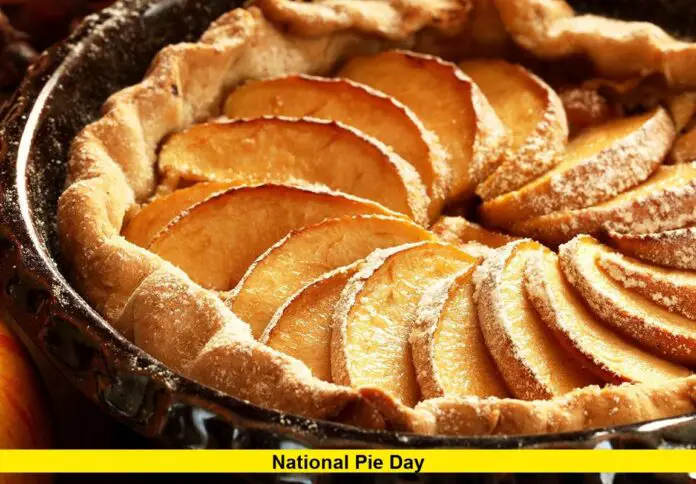
January 23, 2026, brings another nationwide celebration of national pie day, a food holiday that continues to grow in popularity across the United States as families, bakeries, schools, and communities honor one of the country’s most cherished comfort foods. From flaky crusts filled with seasonal fruit to hearty savory pies that double as full meals, the occasion highlights how deeply pie is woven into American culture and everyday life.
Observed on the same date each year, the holiday has become a fixture on the winter calendar, offering a moment of warmth and indulgence during one of the coldest months. In cities and small towns alike, the day is marked by bakery specials, community gatherings, classroom activities, and home kitchens filled with the aroma of butter, sugar, spices, and slow-baked fillings.
Table of Contents
A Food Holiday Rooted in Personal Passion
The origins of the celebration trace back to the 1970s, when a Colorado educator and pie enthusiast designated his own birthday, January 23, as a tribute to the dessert he loved most. What began as a personal observance gradually attracted wider attention and eventually gained recognition as a national food holiday.
Over the decades, baking organizations, culinary groups, and local communities helped the tradition spread. Today, it stands alongside other well-known food observances, yet retains a homespun character that reflects the simplicity and warmth associated with pie itself.
Why Pie Holds a Special Place in American Culture
Few foods carry as much emotional and cultural weight in the United States as pie. It appears on holiday tables, at family reunions, in diners, and at community fundraisers. Apple, pumpkin, pecan, cherry, and blueberry pies are tied to seasonal rituals, while custard, cream, and chocolate variations satisfy year-round cravings.
Savory pies also play a significant role. Chicken pot pie, beef and vegetable pies, and regional specialties offer comfort meals that blend practicality with tradition. These dishes reflect the country’s agricultural history and the influence of European baking techniques adapted to local ingredients.
The enduring appeal of pie lies in its versatility. It can be elegant or rustic, celebratory or everyday, store-bought or carefully handmade. That adaptability has helped the holiday gain traction across different generations and regions.
How Bakeries and Food Businesses Are Celebrating
Across the country, bakeries and food retailers use the January 23 observance to connect with customers through themed promotions and limited-time offerings. Common ways the day is marked include:
- Discounted whole pies and slices
- Special flavor releases available only for the occasion
- Bundled deals for family-sized orders
- Highlighting both sweet and savory selections
For independent bakeries, the holiday provides a mid-winter boost in foot traffic and a chance to showcase craftsmanship. For larger grocery chains, it offers an opportunity to feature seasonal baking and encourage at-home celebrations.
Community Events and Local Traditions
Beyond retail promotions, many towns and cities turn the day into a social event. Orchards, farms, and community centers host pie tastings, baking demonstrations, and friendly competitions. These gatherings often focus on:
- Sharing traditional recipes
- Teaching basic pie-making skills
- Celebrating regional flavors
- Encouraging intergenerational participation
Such events reinforce the idea of pie as a communal food, meant to be shared and enjoyed together rather than consumed in isolation.
Classrooms Embrace Pie as a Learning Tool
Schools across the United States have found creative ways to incorporate the holiday into lesson plans. Teachers use pie to make abstract concepts tangible, particularly in subjects such as mathematics and science.
Students may learn about:
- Fractions and percentages by dividing pies
- Measurement and ratios through recipe scaling
- Chemical reactions involved in baking
- Cultural history connected to traditional foods
These activities turn a simple dessert into a multidisciplinary teaching resource, blending education with celebration.
Home Kitchens Take the Spotlight
For many families, the heart of the holiday lies at home. Baking a pie from scratch is often seen as a meaningful way to participate, whether using a cherished family recipe or experimenting with new combinations.
Popular approaches include:
- Reviving classic fruit pies with modern twists
- Preparing savory pies for dinner rather than dessert
- Hosting small pie tastings with friends or neighbors
- Passing down techniques from older to younger generations
The process itself, from rolling dough to crimping edges, becomes part of the tradition, reinforcing skills and memories that extend beyond a single day.
The Role of Seasonality in Winter Pie Choices
January influences the types of pies most commonly enjoyed. Stored apples, preserved berries, nuts, and winter squash dominate fillings, while rich custards and cream pies offer indulgence during colder weather.
Spices such as cinnamon, nutmeg, and clove provide warmth and familiarity. Butter-heavy crusts and slow-baked fillings suit the season’s desire for hearty, satisfying foods. This seasonal alignment helps explain why the holiday resonates strongly in mid-winter.
A Celebration That Bridges Generations
One reason the observance continues to grow is its ability to connect age groups. Older generations bring knowledge of traditional recipes and techniques, while younger participants introduce new flavors, dietary adaptations, and presentation styles.
Gluten-free crusts, reduced-sugar fillings, and plant-based alternatives have expanded the definition of what a pie can be, ensuring the tradition remains inclusive and relevant. This evolution allows the holiday to honor the past while embracing contemporary tastes.
Media and Social Sharing
Although rooted in home kitchens and local bakeries, the holiday also thrives in the digital space. Photos of golden crusts, lattice tops, and overflowing fillings circulate widely, encouraging others to participate and experiment.
Recipe exchanges, baking tips, and visual inspiration help sustain interest and introduce regional specialties to broader audiences. This online visibility has played a role in transforming a once-personal observance into a widely recognized national occasion.
Economic and Cultural Impact
Food holidays may seem lighthearted, but they carry tangible economic benefits. Increased sales of baking ingredients, kitchen tools, and prepared desserts contribute to local and national food industries. At the same time, the cultural impact is significant, reinforcing shared traditions in an increasingly fast-paced world.
By centering on a familiar, comforting food, the January 23 celebration offers a pause from routine and an invitation to gather, reflect, and enjoy something made with care.
Looking Ahead
As interest in traditional cooking and home baking continues to rise, the place of pie in American life appears secure. The annual January observance serves as both a reminder of culinary heritage and a platform for creativity, ensuring that the tradition remains dynamic rather than static.
With each passing year, more communities find their own ways to mark the occasion, from formal events to quiet family dinners, all united by a shared appreciation for a timeless dish.

