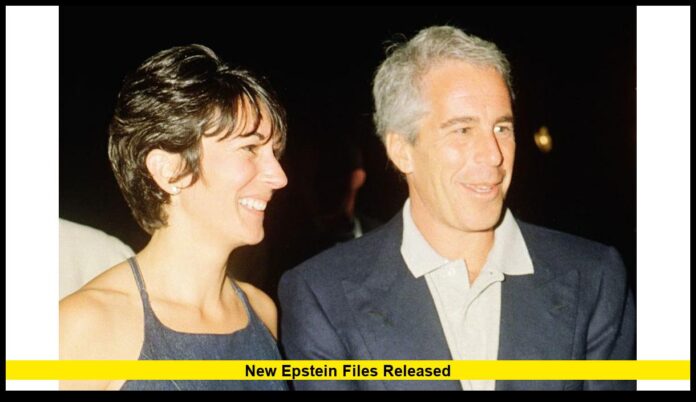
New epstein files released have begun to emerge following the recent passage of the Epstein Files Transparency Act, which requires federal agencies to make unclassified Epstein-related records publicly available. The Justice Department has started producing documents, and judges have authorized the release of key grand jury materials tied to the earlier federal Epstein investigations. Congressional committees have also posted large batches of related documents as the government moves toward a mandated December disclosure deadline.
Federal courts recently approved the release of grand jury transcripts from the 2006–2007 investigation. That decision cleared a major legal barrier and signaled that additional transcript sets could follow. Alongside the court action, congressional investigators have uploaded tens of thousands of pages of estate materials they reviewed during ongoing oversight work. These releases include internal records about finances, property matters, and compensation structures linked to the Epstein estate. Lawmakers have also circulated additional images from Epstein-owned properties as part of transparency efforts.
The Transparency Act has reshaped the timeline for public disclosure. The law directs the Justice Department to publish all unclassified records related to Epstein’s investigations by a fixed deadline this month. Agencies have been reviewing materials for redaction and preparing releases in stages. The judge’s recent order in Florida, allowing the publication of grand jury transcripts from the earlier probe, is considered the first major judicial step under the new statute.
More records are expected in the coming days. Potential document categories include additional grand jury transcripts, interview summaries, internal investigative reports, bank records, financial documents, property photos, and search warrant materials. These items have been referenced by officials as part of the broader body of records being prepared for release.
Victim advocates have urged full transparency and minimized redactions to help clarify the scope of past investigations. Some lawmakers have echoed those concerns, warning that heavy redactions could limit the public’s ability to understand what happened and who was involved. They have pushed federal agencies to prioritize openness while safeguarding victim identities and sensitive personal information.
A brief timeline helps clarify recent activity:
- The Epstein Files Transparency Act became law in late November.
- Congressional committees began posting document sets shortly afterward, releasing thousands of pages from the Epstein estate and related productions.
- Additional photos and videos from Epstein’s properties were shared publicly as part of broader transparency measures.
- Courts granted new approvals for the release of grand jury transcripts.
- The Justice Department continued preparing its own releases in advance of the mandatory disclosure date.
Even with new records emerging, several questions remain. It is still unclear how much information will be redacted in the final versions. Court decisions in other jurisdictions could influence what additional transcripts or investigative files may be released next. Advocates and lawmakers are monitoring whether agencies adhere to the timeline set in law and whether the releases provide meaningful insight rather than heavily blacked-out pages.
Public interest in these developments is strong, and many readers are eager to see additional releases in the coming days. The required disclosures are expected to include searchable documents that shed further light on the investigations, the estate’s financial structures, and law enforcement actions tied to Epstein’s properties.
As more material becomes available, the phrase new epstein files released reflects not just isolated document drops but a broad, government-wide effort to make long-sealed records public. With judicial approvals in motion, congressional committees posting extensive files, and agencies preparing further disclosures before the deadline, the coming days are likely to bring a clearer picture of what investigators uncovered over the years.
More updates are anticipated soon, and U.S. readers following this story can expect additional transparency actions as the mandated timeline approaches. The volume of material already released suggests that a significant portion of the historical record is finally moving into public view.
Stay engaged and share your thoughts below as more developments emerge in this unfolding release of long-sealed Epstein records.

