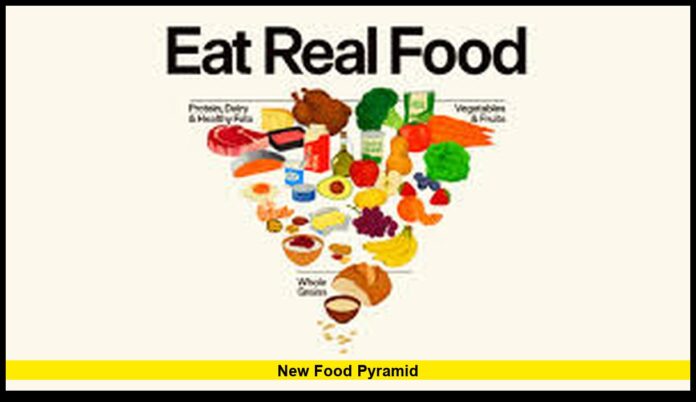
The release of the latest U.S. dietary guidance introduces a redesigned NEW FOOD PYRAMID, marking a decisive change in how Americans are encouraged to build their daily meals. The updated model reflects current nutrition science, public health priorities, and long-standing concerns about diet-related illness. Rather than focusing on rigid food categories or calorie counting, the new approach centers on food quality, balance, and long-term health.
This change matters because national dietary guidance influences far more than individual choices. It shapes school meals, food assistance programs, healthcare advice, and how nutrition is taught across the country. The redesigned pyramid is intended to be easier to understand, more realistic to follow, and better aligned with how people actually eat.
Table of Contents
A Turning Point in National Nutrition Guidance
For decades, Americans have been introduced to various visual models meant to explain healthy eating. While each version reflected the science of its time, rising rates of obesity, diabetes, and heart disease have made it clear that previous approaches were not enough.
The newest pyramid reflects a broader understanding of nutrition that goes beyond isolated nutrients. It recognizes that heavily processed foods, inconsistent protein intake, and excess added sugars have played a major role in declining health outcomes. The updated guidance aims to correct those issues by refocusing attention on whole foods and practical eating patterns.
Rather than promoting a one-size-fits-all diet, the pyramid offers a flexible framework that can adapt to cultural traditions, personal preferences, and different stages of life.
How the New Pyramid Is Designed
The redesigned pyramid uses structure to communicate priority. Foods positioned higher in the pyramid represent daily staples that should anchor meals. Foods lower in the pyramid support energy needs and variety but are no longer presented as the dominant foundation of the diet.
This visual shift sends a clear message: healthy eating is not about filling up on a single food group, but about combining nutrient-dense foods in a balanced way.
Protein Moves to the Forefront
One of the most notable updates is the elevated role of protein. The new pyramid encourages Americans to include protein at every meal rather than treating it as an occasional addition.
Protein is highlighted for its role in:
- Supporting muscle mass and strength
- Promoting fullness and appetite control
- Helping stabilize blood sugar
- Supporting metabolism and healthy aging
Recommended sources include both animal-based and plant-based options such as poultry, fish, eggs, beans, lentils, nuts, seeds, and dairy products. The guidance emphasizes variety, allowing people to choose sources that fit their dietary preferences and cultural habits.
Real Food Over Heavily Processed Products
A central theme of the updated pyramid is the clear distinction between whole foods and ultra-processed products. Foods that are close to their natural state are strongly encouraged, while items dominated by additives, artificial flavors, refined sugars, and preservatives are discouraged.
This shift reflects growing awareness that many packaged foods provide excess calories without sufficient nutritional value. The new guidance does not eliminate convenience foods but encourages people to rely on them less often.
Cooking at home, reading ingredient lists, and choosing foods with recognizable components are all consistent with the new pyramid’s principles.
Fruits and Vegetables as Everyday Staples
Fruits and vegetables occupy a prominent position in the new pyramid, reinforcing their importance in daily eating. The guidance emphasizes diversity, encouraging people to eat a wide range of colors and types.
Fresh, frozen, and lightly cooked options are all considered valuable. The focus is not on perfection, but on consistency. Adding fruits or vegetables to most meals and snacks is presented as one of the simplest ways to improve overall nutrition.
Rather than prescribing strict serving sizes, the pyramid encourages people to make fruits and vegetables a routine part of their plates.
A New Perspective on Dietary Fats
The updated pyramid moves away from the idea that all fats are harmful. Instead, it emphasizes the role of healthy fats as an essential part of a balanced diet.
Natural fats from whole foods are encouraged, including those found in nuts, seeds, avocados, olives, dairy, and unprocessed animal products. These fats support nutrient absorption, hormone production, and overall health when consumed in reasonable amounts.
This approach reflects a more nuanced understanding of fat, shifting the conversation from avoidance to informed choice.
Carbohydrates Rebalanced, Not Eliminated
Carbohydrates remain part of healthy eating, but their role has been adjusted. Whole grains are included as supportive foods rather than the primary base of the diet.
The guidance emphasizes choosing whole grains over refined grains and being mindful of portions. It also acknowledges that carbohydrate needs can vary based on activity level, age, and health goals.
By repositioning grains, the pyramid encourages balance rather than excess, allowing room for individual needs and preferences.
Reducing Added Sugars and Artificial Ingredients
One of the clearest messages of the new pyramid is the need to cut back on added sugars. Sweetened beverages, desserts, and sugary snacks are identified as major contributors to poor diet quality.
Instead of focusing on strict limits, the guidance promotes practical swaps. Choosing water over sugary drinks, enjoying fruit instead of candy, and selecting plain foods that can be naturally flavored at home are all encouraged.
Artificial ingredients and excessive additives are also discouraged, aligning with a broader emphasis on simplicity and transparency in food choices.
How the NEW FOOD PYRAMID Fits Into Daily Life
The strength of the updated pyramid lies in its practicality. It does not require calorie counting, food tracking apps, or rigid meal plans. Instead, it provides guiding principles that can be applied in everyday situations.
A typical meal inspired by the pyramid might include:
- A clear protein source
- One or more vegetables
- A portion of fruit
- A source of healthy fat
- A moderate serving of whole grains, if desired
This flexible structure makes it easier for families, individuals, and communities to adopt healthier patterns without drastic changes.
Impacts Beyond the Dinner Table
National dietary guidance influences many systems beyond individual households. Over time, the updated pyramid is expected to shape:
- School meal standards
- Nutrition education programs
- Food assistance guidelines
- Healthcare nutrition counseling
As these systems align with the new framework, Americans may notice gradual changes in institutional food offerings and public health messaging.
A Focus on Prevention and Long-Term Health
The updated pyramid reflects a broader goal: preventing chronic disease before it begins. By promoting nutrient-dense foods and reducing reliance on heavily processed products, the guidance aims to support healthier outcomes across the lifespan.
Rather than framing nutrition as a short-term fix, the pyramid encourages sustainable habits that can be maintained for years. Small, consistent improvements are emphasized over drastic dietary changes.
Adapting the Guidance to Individual Needs
One of the most important aspects of the new pyramid is its flexibility. It allows for:
- Cultural and regional food traditions
- Vegetarian and mixed diets
- Different calorie needs
- Personal taste preferences
This adaptability makes the guidance more inclusive and realistic for a diverse population.
A New Chapter for American Nutrition
The introduction of the redesigned pyramid represents a meaningful evolution in how healthy eating is communicated. By focusing on whole foods, balanced meals, and practical choices, the guidance aligns more closely with modern lifestyles and current health challenges.
As awareness grows, the NEW FOOD PYRAMID is expected to influence how Americans shop, cook, and think about food, encouraging a more thoughtful and sustainable relationship with what they eat.
How do you see the new food pyramid influencing your daily meals or family habits? Share your perspective and stay connected for ongoing health and nutrition updates.

