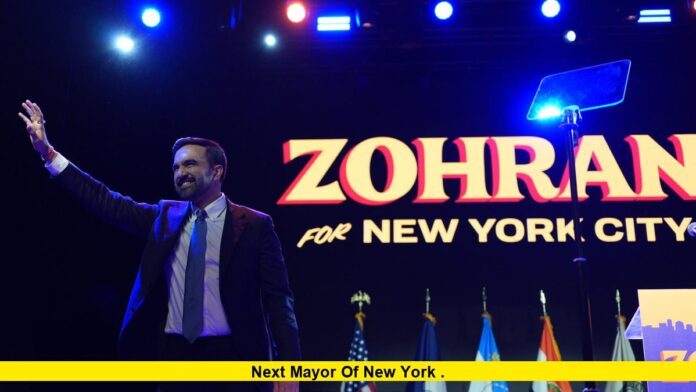
New York City has officially chosen its next mayor of New York, marking one of the most significant political transitions in the city’s modern history. Following the November 2025 mayoral election, Zohran Mamdani secured a decisive victory in a competitive race, setting the stage for a new era of leadership at City Hall. He is scheduled to be sworn in on January 1, 2026, and his election signals a major shift in priorities, tone, and generational leadership for America’s largest city.
Mamdani’s win has drawn widespread attention not only because of his age and background, but also because of the policy direction he has promised to pursue. His campaign focused heavily on affordability, public services, and systemic reforms aimed at addressing long-standing challenges facing New Yorkers across all five boroughs.
Table of Contents
A Historic and Generational Election Result
Zohran Mamdani’s election is historic on multiple levels. At 34 years old, he will become the youngest mayor New York City has had in more than a century. He is also the first Muslim mayor and the first mayor of South Asian descent, reflecting the city’s evolving demographics and political landscape.
Voter turnout in the 2025 mayoral election reached one of its highest levels in recent decades, driven in part by strong engagement among younger voters and working-class communities. Mamdani’s message of economic relief and structural change resonated particularly in neighborhoods facing rising rents, transportation costs, and childcare expenses.
His victory over well-known political figures underscored a broader shift in voter sentiment, with many New Yorkers signaling a desire for new leadership and fresh approaches to persistent urban problems.
From State Assembly to City Hall
Before winning the mayoralty, Mamdani served as a New York State Assembly member representing Queens. During his time in Albany, he built a reputation as a vocal advocate for tenants’ rights, public transit access, and social equity. That legislative background shaped much of his mayoral platform and helped him build a grassroots base across the city.
His transition from state politics to leading a city of more than eight million residents represents a major leap in responsibility. The scope of the mayor’s office includes overseeing a multi-billion-dollar budget, managing hundreds of thousands of city employees, and coordinating with state and federal agencies.
Affordability at the Center of the Agenda
Affordability remains the defining theme of Mamdani’s incoming administration. He has consistently stated that the rising cost of living threatens the city’s long-term stability and diversity.
Housing and Rent Policy
One of the most closely watched proposals is a rent freeze for rent-stabilized apartments. The goal is to slow displacement and provide immediate relief for tenants who have faced steady rent increases in recent years. The policy has generated debate among housing advocates, landlords, and city officials, but it remains a core promise of the new administration.
In addition to rent policy, Mamdani has pledged to accelerate the construction of new affordable housing units, with an emphasis on publicly supported developments and deeper affordability levels for low- and middle-income residents.
Transportation Costs
Public transportation is another major focus. Plans to expand fare-free bus service aim to reduce commuting costs for working New Yorkers while encouraging greater use of mass transit. Supporters argue this could improve access to jobs and services, especially in transit-desert neighborhoods.
Childcare, Education, and Family Support
Mamdani’s platform includes expanded childcare access as a key economic policy. By reducing childcare costs, the administration hopes to ease financial pressure on families and improve workforce participation.
Education policy under the new mayor is expected to emphasize equity, classroom resources, and student support services. While no sweeping structural changes have been announced yet, early signals suggest a collaborative approach with educators and families.
Transition Team and Early Appointments
As part of the transition process, Mamdani has moved to assemble a team that blends progressive policy alignment with deep institutional experience.
One of the most notable early decisions was the appointment of a veteran budget expert to oversee city finances. With decades of experience in municipal budgeting, the new budget director will play a critical role in translating campaign promises into workable fiscal plans.
The transition team has also strengthened its vetting procedures for senior hires, following early scrutiny of appointment processes. This move reflects an effort to avoid distractions and maintain public confidence as the new administration prepares to take office.
Debate and Pushback From City Leaders
Not all reactions to the incoming administration have been supportive. Outgoing officials and some business and real estate leaders have raised concerns about the feasibility and potential consequences of certain proposals, particularly around rent regulation and homelessness policy.
Public debate over these issues is expected to continue into 2026, as policy details move from campaign commitments to legislative and administrative action.
National Attention on New York’s New Leadership
The election of a progressive mayor in the nation’s largest city has drawn national attention. Early engagement with federal leadership highlights the broader significance of New York City’s policy direction, particularly in areas such as public safety, economic development, and infrastructure funding.
What happens at City Hall under Mamdani’s leadership is likely to influence policy conversations in other major U.S. cities facing similar affordability and governance challenges.
What Comes Next for the City
As inauguration day approaches, expectations are high and scrutiny is intense. The first year of the new administration will be critical in setting the tone for how campaign promises translate into action.
Key early milestones will include budget negotiations, housing policy decisions, and the rollout of pilot programs related to transit and social services. Success will depend not only on vision, but also on execution and collaboration across city agencies and government levels.
For many New Yorkers, the change represents hope for a city that is more affordable, accessible, and responsive. For others, it raises questions about sustainability and long-term impact. Either way, the transition marks a defining moment in the city’s political story.
What do you think this leadership change will mean for everyday life in New York City? Share your perspective and stay tuned for ongoing updates.

