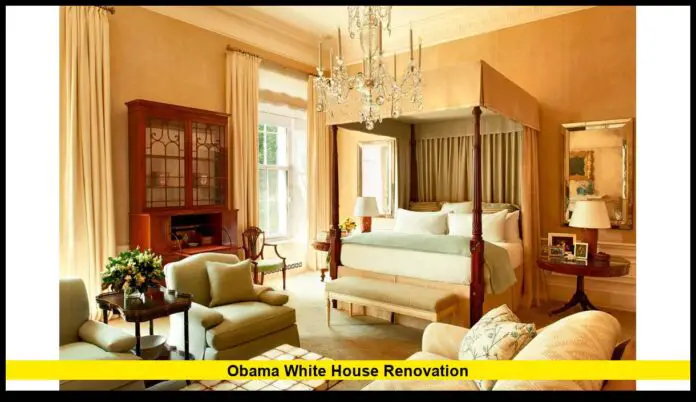
When considering the Obama White House renovation, one of the most significant updates came during the presidency of Barack Obama, reflecting both aesthetic and functional changes to the Executive Mansion. These renovations, executed during his two-term tenure from 2009 to 2017, involved high-profile interior re-decorations, grounds enhancements, and lifestyle-driven modifications—many of which still influence discussions about presidential residence upkeep today.
Key Renovation Highlights Under President Obama
During the Obama administration, the White House underwent several important updates that combined style, practicality, and symbolism:
- State Dining Room Refurbishment (2015–2016):
First Lady Michelle Obama led a complete redesign of the State Dining Room. The project featured a custom-woven carpet with wreath and maple-leaf patterns, elegant silk draperies in peacock blue and ecru, and new mahogany chairs modeled after those used during President James Monroe’s time. These updates refreshed one of the most frequently used rooms for state dinners and official receptions. - White House Kitchen Garden:
In March 2009, Michelle Obama launched a vegetable garden on the South Lawn, cultivating over 50 varieties of produce. This garden became a hallmark of her “Let’s Move!” campaign, promoting healthier eating habits for families across the country. It also added a living, sustainable touch to the White House grounds that remains an enduring feature. - Basketball Court Addition:
Reflecting President Obama’s lifelong love of basketball, the White House tennis court was modified to include basketball hoops and court markings. The updated multi-use court allowed staff, guests, and the First Family to enjoy informal recreation and underscored the Obamas’ focus on fitness and family time. - Interior Design and Modernization:
The Obama era also brought numerous smaller updates to interior furnishings, artwork, and technology. From lighting improvements to modern media systems, the administration ensured the White House kept pace with modern expectations while maintaining its historic charm.
Why These Renovations Matter
The Obama White House renovation stands out for more than its design choices—it symbolizes how the presidency can reflect evolving American values.
- Balance of Modern and Historic:
The Obamas’ approach respected the White House’s heritage while introducing fresh elements of contemporary design. The use of classic motifs alongside modern fabrics and tones struck a perfect balance between tradition and progress. - Personal and Functional Touches:
Each renovation project reflected the family’s lifestyle and values. The garden encouraged sustainability, the basketball court promoted fitness, and the refurbished interiors provided a dignified but welcoming space for diplomacy. - Symbolic Leadership:
The kitchen garden in particular represented leadership through example—encouraging healthy living and local food sourcing. It turned the White House grounds into a teaching tool for schools and communities nationwide. - Legacy of Sustainability:
Many of the materials used during the renovations emphasized sustainability, aligning with the administration’s broader environmental goals. This forward-thinking approach added another layer of meaning to the projects.
Historical Context of White House Renovations
Renovations have long been part of White House tradition. Every administration leaves its mark, from the Truman-era reconstruction in the 1940s to modern upgrades in communications and security. What makes the Obama years notable is the focus on lifestyle and symbolism rather than grand architectural overhauls.
While past presidents expanded rooms, rebuilt wings, or changed layouts, the Obama administration concentrated on livability and visual renewal. Their goal was to make the White House both a family home and a functional space for modern governance.
Today, the influence of the Obama-era renovations can still be seen. The State Dining Room retains its refreshed look. The garden continues to grow seasonal produce, and the basketball court remains a favorite feature. These elements contribute to the narrative of an evolving, yet enduring, American landmark.
Recent Relevance and Legacy
Even years after the Obamas left office, the renovation projects they initiated continue to shape perceptions of how presidents live and work.
- The State Dining Room remains a centerpiece for formal occasions and state dinners, admired for its understated elegance.
- The South Lawn garden continues to be maintained and serves as a visual reminder of Michelle Obama’s public health advocacy.
- The basketball court still stands as a personal stamp from President Obama, illustrating that the White House can accommodate both the ceremonial and the relatable sides of the presidency.
Historians and preservationists frequently reference the Obama renovation period when evaluating new proposals for White House upgrades. It has become a benchmark for tasteful modernization that respects the building’s symbolic importance.
Milestones at a Glance
| Project | Year(s) | Highlights | Impact |
|---|---|---|---|
| State Dining Room Refurbishment | 2015–2016 | New carpet, silk draperies, mahogany chairs | Revitalized formal entertaining space |
| White House Kitchen Garden | 2009–2017 | Over 50 produce varieties, educational use | Promoted sustainability and health awareness |
| Basketball Court Conversion | 2009 | Added hoops and court lines | Personalized recreational space |
| Interior Modernization | 2009–2017 | Artwork, furnishings, lighting upgrades | Enhanced daily functionality |
Why the Obama Renovation Still Resonates
The Obama-era updates highlight how the White House can reflect the times without losing its historic identity. Rather than a massive reconstruction, these projects focused on details that improved the building’s atmosphere, accessibility, and symbolism.
They also serve as a reminder that each administration leaves behind more than policies—it leaves behind an aesthetic and cultural legacy. For Barack and Michelle Obama, that legacy is one of balance, health, modern living, and enduring respect for history.
The Obama White House renovation tells a story of transformation through subtlety—one where thoughtful design met meaningful purpose. More than a visual makeover, it was a reflection of values that continue to inspire and shape how Americans view their most iconic residence.
What are your thoughts on how presidents should update the White House—preserve tradition or embrace modernization? Share your view below and join the conversation.

