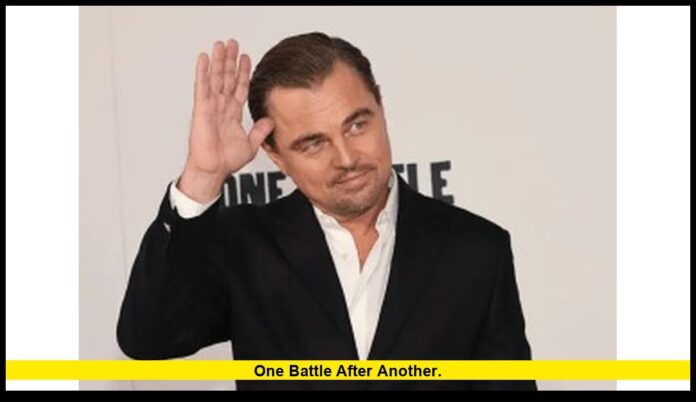
The phrase “one battle after another” perfectly captures the impact of one of 2025’s most talked-about films. Since its nationwide release in the United States on September 26, 2025, One Battle After Another has dominated box office charts, stirred passionate debates, and positioned itself as both a cinematic powerhouse and a cultural flashpoint.
With its intense storytelling, high-profile cast, and fearless social commentary, the film is more than entertainment — it’s a mirror to the conflicts shaping American life today.
Table of Contents
A Strong Box Office Debut Across the U.S.
One Battle After Another opened with a $22.4 million debut weekend, a remarkable figure for a politically charged, dialogue-heavy drama. This performance placed it at No. 1 at the domestic box office, ahead of several commercial blockbusters, proving that audiences are ready to engage with bold, challenging narratives.
The film continues to expand into additional theaters, benefiting from strong word of mouth. Industry analysts predict a sustained run through the fall, fueled by discussion, controversy, and awards season buzz.
A Powerhouse Creative Team Behind the Film
The film is directed and written by Paul Thomas Anderson, whose signature style blends sharp dialogue, layered characters, and sweeping cinematic visuals. One Battle After Another represents one of his most ambitious projects yet, combining large-scale political drama with intimate, character-driven storytelling.
The cast is equally impressive:
- Leonardo DiCaprio stars as Bob Ferguson, a former radical activist pulled back into conflict after years underground.
- Teyana Taylor, Sean Penn, Benicio del Toro, and rising star Chase Infiniti round out a multi-generational ensemble.
- The original score by Jonny Greenwood adds emotional depth, amplifying the tension and atmosphere throughout the film.
Shot on large-format film and released in premium formats including IMAX and 70 mm, the visual style is both classic and immersive, enhancing the film’s epic scope.
Plot: A Relentless Fight on Multiple Fronts
The story follows Bob Ferguson, a man whose past as a revolutionary comes back to haunt him when he must protect his daughter from powerful enemies. As old wounds resurface, he’s forced to navigate new ideological, personal, and systemic conflicts — each one escalating in intensity.
The title One Battle After Another is more than metaphorical. The film is structured around a series of escalating confrontations — political, familial, and personal — that reflect the fragmented state of modern society.
Themes explored in the film include:
- Generational divides between idealists of the past and skeptics of the present
- Moral ambiguity in political movements and personal choices
- The legacy of activism and how past decisions reverberate through time
- The intersection of identity, power, and resistance
This layered approach gives audiences plenty to unpack, sparking conversations that extend far beyond the theater.
Why the Title Resonates So Strongly
The phrase “one battle after another” has struck a chord with audiences across the U.S. because it reflects not only the plot but also the current cultural mood. Many viewers see the film’s conflicts — ideological, generational, systemic — as a reflection of the divisions playing out daily in real life.
Rather than presenting clear heroes and villains, the film confronts audiences with complex situations where every choice has consequences. Viewers are left to grapple with uncomfortable questions about their own beliefs and roles in the broader social landscape.
Critical Acclaim Meets Cultural Controversy
Critics have praised the film’s craftsmanship, storytelling, and performances, with particular attention on DiCaprio’s layered portrayal of a man torn between conviction and doubt. Many reviewers have described the film as one of Paul Thomas Anderson’s most daring works to date.
However, the film has also generated debate:
- Some political commentators argue that its satirical edge could be interpreted in radically different ways, depending on viewers’ ideological leanings.
- Audience discussions online have become heated, as people project real-world issues onto the film’s fictional conflicts.
- Cultural analysts have pointed out that the film has become a rare example of cinema driving national conversations beyond celebrity gossip and spectacle.
This blend of acclaim and controversy is precisely what has kept One Battle After Another in the headlines week after week.
Box Office Growth and Awards Season Potential
Thanks to strong early numbers and expanding theater availability, One Battle After Another is projected to remain a steady performer through the fall season. Unlike typical blockbusters, its longevity comes from repeated viewings and robust debate among audiences.
Industry insiders already consider the film a major awards contender. Expected nomination categories include:
- Best Picture
- Best Director (Paul Thomas Anderson)
- Best Actor (Leonardo DiCaprio)
- Best Original Score (Jonny Greenwood)
- Best Cinematography
If it maintains its current momentum, the film could become a defining entry in the 2026 awards cycle.
Audience Reactions Across the Country
American audiences have responded with a mix of admiration, debate, and reflection. Many viewers have taken to social media to share their interpretations of the film’s ending and its central themes. Some have called it “a masterpiece of modern political storytelling,” while others describe it as “a challenging but necessary mirror to society.”
Unlike films that fade after opening weekend, One Battle After Another seems to be gaining traction through word of mouth. Its provocative title has become a catchphrase used in discussions about everything from politics to personal struggles, further embedding the film in cultural dialogue.
Soundtrack and Cinematic Craft
One of the standout elements is Jonny Greenwood’s haunting original score. It combines classical instrumentation with subtle experimental textures, giving emotional weight to the film’s escalating conflicts.
Visually, the film’s use of widescreen formats and analog film creates a sense of scale and authenticity. Paul Thomas Anderson’s direction balances quiet, intimate scenes with sweeping, almost operatic sequences that make the audience feel the weight of every battle — literal and figurative.
Final Thoughts
One Battle After Another is not just a movie; it’s a cultural event that has sparked widespread discussion across the United States. By combining a gripping narrative, extraordinary performances, and fearless thematic exploration, it forces viewers to confront the reality of constant conflict — both on screen and within society.
What’s your take on the battles portrayed in the film? Share your thoughts below and join the conversation about this bold cinematic moment.

