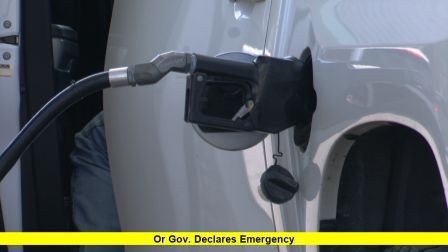
Or gov. declares emergency after Olympic Pipeline forced to shut down, triggering statewide efforts to protect the fuel supply following a significant pipeline leak in Washington that halted the main route carrying gasoline, diesel, and jet fuel into Oregon. The shutdown has led to an urgent state response designed to stabilize transportation, protect consumers, and prevent disruptions as repair crews continue investigating the cause of the leak.
Table of Contents
Latest confirmed developments
Oregon Governor Tina Kotek issued an executive order declaring a fuel emergency on November 24, 2025. This action came after a leak in the Olympic Pipeline system forced operators to shut down the approximately 400-mile line that transports more than 90 percent of Oregon’s transportation fuel. The leak was first detected near Everett, Washington earlier in November, and repair crews have been excavating and inspecting affected segments to identify and resolve the source.
State officials emphasized that Oregon is not currently experiencing fuel shortages. However, the shutdown has created vulnerabilities in fuel distribution, prompting state agencies to activate emergency plans to secure supply through alternative delivery methods. With no clear timeline for the pipeline’s full restoration, the governor’s order ensures Oregon can react quickly to shifting conditions.
Why the shutdown matters
The Olympic Pipeline is a critical fuel lifeline for Oregon. It supplies gasoline, diesel, and jet fuel to major population centers, including Portland and surrounding communities. When the pipeline was taken offline after the leak, it immediately raised concerns about:
- Fuel availability
- Airline and transportation operations
- Delivery logistics
- Regional price fluctuations
With the pipeline offline, suppliers must rely on slower and more expensive transportation methods, including tanker trucks, barges, and ships. These adjustments increase strain on the system and raise the risk of rising fuel costs, especially during high-travel periods.
Emergency declaration: what the order does
Governor Kotek’s emergency declaration activates the state’s fuel contingency plan and authorizes agencies to coordinate a large-scale response. The order includes several key actions:
1. Increased fuel transport capabilities
The state can temporarily relax driver-hours rules for commercial fuel truck operators to help move fuel more quickly from other West Coast locations into Oregon. This improves delivery capacity during the shutdown period.
2. Statewide coordination through emergency management
The Oregon Department of Emergency Management has been tasked with leading the response. Agencies are working together to monitor supply levels, coordinate logistics, and address any developing shortages.
3. Alternative fuel delivery routes
The Oregon Department of Transportation and the Oregon Department of Energy are coordinating to secure additional deliveries via:
- Marine vessels
- Barges
- Long-haul tanker trucks
These methods are more complex and costly than pipeline transport, but they are critical to ensuring Oregon retains sufficient fuel to meet public needs.
4. Consumer protection oversight
The emergency declaration enables state officials to actively monitor for potential price-gouging, especially in rural regions that may be more sensitive to delivery disruptions.
5. Limited duration
The order is currently scheduled to expire on December 24, 2025, unless extended. State officials will continue to assess fuel stability and pipeline repair progress when considering whether to prolong the emergency period.
Where things stand today
As of the latest updates:
- The pipeline remains shut down.
- Repair crews have excavated more than 200 feet of pipeline to identify the cause of the leak.
- No restart date has been announced.
- Oregon’s fuel system is stable, but vulnerable to future fluctuations.
- Airports in Oregon continue operating without significant fuel impacts.
Officials urge Oregonians not to panic-buy fuel, noting that the state is actively securing alternative supplies and the current system can meet demand. However, they acknowledge that continued reliance on non-pipeline delivery methods could contribute to higher prices at the pump.
Impact on fuel pricing
While Oregon has not yet experienced severe price spikes, economic analysts have noted several factors that could pressure prices in the coming days:
- Increased trucking and barging costs
- Longer transport distances
- Higher fuel demand during the holiday travel period
- Reduced supply flexibility due to a single major pipeline outage
If the pipeline remains offline for an extended period, price increases may become more noticeable. State agencies are watching market behavior closely and coordinating with suppliers to maintain steady distribution.
Impact on airlines and travel
Although Oregon’s airports have not announced shortages, the pipeline shutdown is affecting the broader Pacific Northwest fuel network. Jet fuel supplies in Washington have already come under stress, leading to fuel conservation measures at major airports.
Oregon aviation officials are monitoring conditions daily. Airlines serving Portland International Airport and other regional airports may adjust scheduling or fuel-loading plans if the situation changes. For now, however, passenger operations remain normal.
Environmental monitoring
State and federal crews continue tracking environmental conditions near the leak site. While the full extent of the leak is still being examined, pipeline operators have isolated the affected section and halted flow while investigations continue.
Environmental impact assessments will take time, particularly in sensitive areas around waterways near Everett. Cleanup protocols remain active as inspectors gather additional data.
Timeline of the developing situation
Below is a concise timeline summarizing the major events leading to the governor’s emergency declaration:
| Date | Event |
|---|---|
| Early November 2025 | Leak detected in the Olympic Pipeline near Everett, Washington. |
| Mid-November 2025 | Temporary restoration of one pipeline segment attempted, but full service could not resume. |
| Nov. 20–22, 2025 | Crews excavate more than 200 feet of pipeline to locate the leak’s source. |
| Nov. 24, 2025 | Oregon Governor Tina Kotek declares a state of emergency to protect the fuel supply. |
| Late November 2025 | Oregon continues receiving fuel through trucks, barges, and ships while awaiting a restart timeline. |
What Oregonians should expect next
Residents should expect continued updates from state agencies as the situation evolves. While a complete shortage is not anticipated at this time, several outcomes remain possible depending on the repair timeline:
- Moderate fuel price increases
- Adjustments in delivery schedules
- Continued reliance on alternative transport routes
- Extended emergency measures if pipeline repairs take longer than expected
The emergency order ensures Oregon has full authority to stay ahead of disruptions, protect fuel access, and maintain essential operations statewide.
Share your thoughts or questions below to continue the conversation as this developing situation unfolds.

