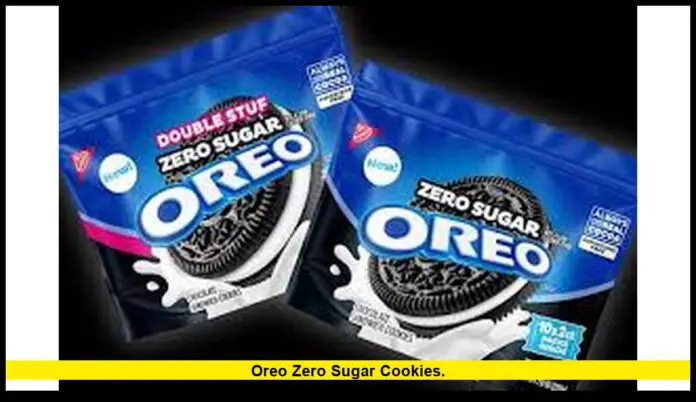
Oreo confirmed on Dec. 9, 2025 that it will bring oreo zero sugar cookies to the U.S. market, offering Original and Double Stuf sugar-free varieties that replace cane sugar with a blend of alternative sweeteners while aiming to preserve the classic Oreo taste.
Table of Contents
What Oreos announced and when
Mondelez, Oreo’s parent company, announced the new Zero Sugar line on Dec. 9, 2025. The cookies will reach U.S. store shelves beginning in January 2026 and will be a permanent addition to Oreo’s product lineup. The rollout marks the first time the brand has sold a sugar-free Oreo in the U.S.; versions of sugar-free Oreos have previously been available in markets such as Europe and China.
Recipe and sweetener profile
Oreo Zero Sugar uses a combination of sugar-free sweeteners and bulking agents to mimic the flavor and mouthfeel of the original cookie. The company lists maltitol and polydextrose alongside high-intensity sweeteners sucralose and acesulfame potassium (Ace-K). Oreo has emphasized that the new formulation does not contain aspartame.
Nutrition and serving-size details
Oreo published nutrition information for the Zero Sugar variety. A single serving — defined for this product as 22.6 grams — contains 90 calories, 4.5 grams of total fat and 16 grams of total carbohydrates. By comparison, a typical serving size for regular Oreos (three cookies, about 34 grams) contains roughly 160 calories, 7 grams of fat and 25 grams of carbohydrates, including added sugars. Because serving sizes differ between the two products, Oreo’s announcement highlights that direct per-serving comparisons require care.
Formats, packaging and design changes
The new cookies will be available in both Original and Double Stuf formats. Packaging shifts away from the classic plastic tray: Oreo Zero Sugar will ship in a stand-up bag. Some product descriptions also indicate smaller, individually wrapped multipacks inside the bag for portion control and convenience. The wafers themselves will feature “Zero Sugar” pressed into the chocolate cookies as a distinguishing design element.
Development timeline and company rationale
Mondelez reports that Oreo Zero Sugar required several years of product development to deliver a taste profile close to the original Oreo while removing cane sugar. The company framed the launch as a response to growing consumer demand for “mindful indulgence” and sugar-reduction options, citing trends among younger shoppers who increasingly prioritize lower-sugar snacks.
What to expect on shelves and who can benefit
The rollout begins in January 2026 across U.S. retailers. The sugar-free option provides an alternative for consumers who monitor their sugar intake but still want an Oreo-style treat. It may appeal to people managing added sugar in their diets and to shoppers seeking more zero-sugar packaged snack options. The cookies are not marketed as a medical product or a diabetes-specific food; consumers with specific health conditions should consult a healthcare professional about suitability.
Health and ingredient considerations
The Zero Sugar formula uses sugar alcohols (maltitol) and non-nutritive sweeteners (sucralose and Ace-K) plus polydextrose for bulk. Sugar alcohols can affect digestion for some individuals and may cause gastrointestinal discomfort in sensitive people when consumed in larger amounts. Polydextrose contributes fiber-like bulk but is a synthetic soluble fiber that can also affect gut tolerance. Those with specific dietary restrictions, sensitivities to sugar alcohols, or concerns about artificial sweeteners should review ingredient lists and nutrition panels before buying.
How Oreo positions the product against competitors
The packaged-snack industry has been expanding its low- and zero-sugar options, and Oreo’s move brings a major mainstream brand into that category in the U.S. By launching both Original and Double Stuf Zero Sugar as permanent SKUs, Oreo aims to capture consumers who want a recognizable brand while cutting added sugar. The company has framed the product as delivering the “authentic Oreo experience” without cane sugar.
Practical buying tips for January 2026
When the product arrives, watch for the new stand-up bags and the “Zero Sugar” imprint on wafers to ensure you’re buying the sugar-free version. Check serving-size information on the nutrition label, because the Zero Sugar product’s serving weight differs from regular Oreos and affects calorie and carb comparisons. If you’re sensitive to sugar alcohols or artificial sweeteners, read the full ingredient panel before purchase.
Short FAQs
Will Oreo Zero Sugar have the same taste as classic Oreos?
Oreo states the product was developed to closely replicate the original taste. Taste perception varies by individual; objective tests and consumer reviews after launch will clarify how closely the flavor matches the classic cookie.
Are these cookies safe for people with diabetes?
The cookies contain no added sugar but do contain carbohydrates and sugar alcohols. People with diabetes should consult their healthcare provider about whether a zero-sugar snack fits their meal plan and how to count any carbohydrates or sugar alcohols in blood glucose management.
Will the cookies contain aspartame?
Oreo has stated that the Zero Sugar variety does not include aspartame.
Will Oreo Zero Sugar replace regular Oreos?
No. Oreo is adding Zero Sugar as an additional, permanent option in its lineup rather than replacing the original cookies.
What to watch after launch
Consumer reaction, independent taste tests, and retail availability will shape the product’s early performance. Expect early reviews and social-media reactions as shoppers try the cookies. Retail rollout timing and retailer-by-retailer availability may vary in January 2026.
Bottom line
Oreo’s U.S. introduction of Zero Sugar and Double Stuf Zero Sugar in January 2026 brings a long-anticipated sugar-free option from one of the most recognizable snack brands. The product replaces cane sugar with a mix of sugar alcohols and high-intensity sweeteners, offers different serving sizes than the original cookie, and will be sold in new stand-up packaging marked with “Zero Sugar” on the wafers.

