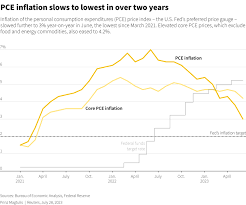
The latest PCE inflation data shows that inflation in the United States remains above the Federal Reserve’s target, with headline prices rising 0.3% in September 2025 and year-over-year inflation holding at 2.8%. Core PCE, which excludes food and energy, increased 0.2% on the month and also reached 2.8% annually. These figures reflect a stubborn inflation environment and arrive at a critical moment for the U.S. economy.
The release of September’s figures was delayed due to the federal government shutdown, making this update highly anticipated across financial markets and policymaking circles. Despite the delay, the new data provides valuable clarity ahead of the Federal Reserve’s upcoming meeting scheduled for December 9–10.
Table of Contents
Understanding PCE and Why This Report Matters
The Personal Consumption Expenditures Price Index is the Federal Reserve’s preferred inflation gauge. Unlike some other measures, PCE captures a broad range of spending categories and adjusts for shifts in consumer behavior. It presents a more comprehensive view of how everyday Americans are affected by rising prices.
Core PCE removes food and energy components, which tend to fluctuate sharply. Economists rely on the core measure to identify deeper inflation trends. When core inflation remains elevated for extended periods, it often signals that price pressures are embedded across multiple sectors of the economy.
This is why financial markets, policymakers, and businesses closely watch every monthly PCE release: it influences interest-rate decisions, shapes market expectations, and helps determine how households may adjust their spending in the months ahead.
Breakdown of the Latest Inflation Numbers
Here’s what the September 2025 report showed:
- Headline PCE monthly increase: 0.3%
- Headline PCE year-over-year: 2.8%
- Core PCE monthly increase: 0.2%
- Core PCE year-over-year: 2.8%
The monthly 0.3% gain aligns with the pace seen in previous months, suggesting inflation is not accelerating but also not cooling as quickly as hoped. The 2.8% annual rate remains notably above the Federal Reserve’s long-standing 2% inflation goal.
Several trends stand out:
- The annual rate has been stuck between 2.7% and 2.9% for months.
- Month-to-month price growth has slowed slightly but remains persistent.
- Core inflation, a key signal for the Fed, shows similar firmness to headline inflation.
This combination signals that inflation is moderating compared with the sharp increases of prior years but continues to challenge policymakers.
Impact of the Delayed Release
The PCE inflation data for September was originally scheduled for release weeks earlier, but the federal government shutdown postponed the publication. This delay created a temporary information gap for financial markets and analysts preparing for the December Federal Reserve meeting.
Now that the data has been released, it provides essential insight into the overall direction of inflation heading into the final weeks of the year. The updated figures immediately influenced market expectations and strengthened anticipation of upcoming monetary policy changes.
How Financial Markets Are Responding
Prior to the release, U.S. stock futures were already showing modest gains, reflecting optimism that the delayed report might indicate cooling inflation. Once the data arrived, markets continued to lean toward the expectation that the Federal Reserve will implement a 25-basis-point rate cut at the December meeting.
Although inflation remains above target, several factors are contributing to market confidence:
- Weak job growth reported in recent weeks
- The largest drop in private payrolls in more than two years
- Signs of slowing consumer spending
- Moderating monthly inflation readings
These developments have increased the belief that the U.S. economy may require monetary support even if inflation has not fully returned to target levels. However, the Fed remains cautious because a premature or aggressive rate cut could reignite inflationary pressure.
How Inflation Is Affecting American Households
While policymakers debate next steps, American families continue to feel the direct effects of rising prices. Even moderate monthly inflation can compound quickly, especially when combined with slower wage growth.
Key effects on households include:
- Higher everyday expenses: Groceries, utilities, rent, and transportation costs remain elevated.
- Reduced purchasing power: Wage growth has not significantly outpaced inflation, creating pressure on budgets.
- Slowing discretionary spending: Families are prioritizing essentials and delaying larger purchases.
- Increased reliance on credit: With savings levels declining, many households are turning to credit cards, whose interest rates remain high.
Inflation data not only influences market behavior but also shapes the daily realities of millions of Americans. Even small fluctuations in costs can significantly affect monthly budgets.
What the Fed May Consider at Its Next Meeting
The Federal Reserve’s upcoming meeting carries heightened importance. The latest PCE inflation data will play a central role in shaping the decision. Although inflation remains relatively high, several conditions point toward a possible rate cut:
- Slower job growth
- Reduced consumer spending
- Early signs of economic cooling
- Stable but not rising core inflation
A 25-basis-point cut would represent an attempt to support the weakening economy without signaling that the inflation fight is over. However, the Fed will likely emphasize that future decisions depend on continued progress in cooling price pressures.
What to Watch in the Coming Months
Several indicators will be critical to track as the year ends:
1. Future PCE Reports
If upcoming monthly increases remain low or continue to decline, the Fed may gain confidence that inflation is sustainably easing.
2. Labor Market Trends
Job growth, wage pressure, and private payroll numbers will heavily influence the inflation outlook. A cooler labor market typically reduces inflationary heat.
3. Holiday Consumer Spending
The holiday season often produces sharp shifts in spending patterns. This period will serve as a test of consumer resilience.
4. Financial Market Movement
Investor confidence can shift quickly based on signals from the Fed, employment data, and inflation readings.
Bottom Line
The latest PCE inflation data shows that while inflation is not surging, it remains too high for comfort. The rate continues to hover near 2.8% year over year, creating ongoing pressure for households and complicating the Federal Reserve’s rate decisions. Markets are cautiously optimistic about a potential rate cut, but future inflation reports will determine whether the path ahead becomes smoother or more challenging.
Share your thoughts below and stay tuned for more updates as new data emerges.

