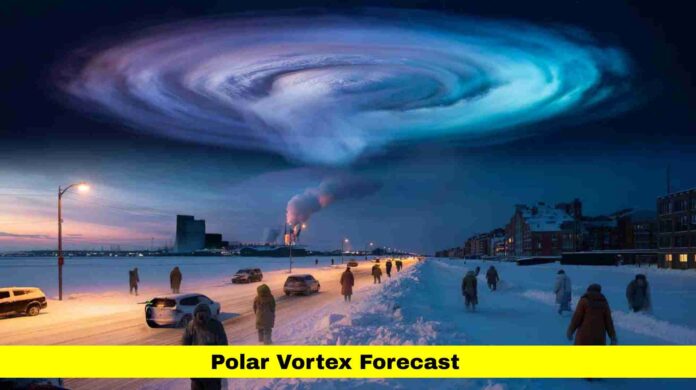
Polar vortex forecast models show that late January into early February 2026 will bring a significant shift in winter weather across the United States as Arctic air surges southward, large temperature swings unfold, and multiple cold waves take shape. These disruptions in the upper atmosphere are creating conditions for widespread periods of bitter cold, snow risks, and weather extremes that will affect millions of Americans from the Northern Plains to the Southeast.
This winter season continues to evolve rapidly as meteorologists monitor changes in the polar vortex, jet stream behavior, and upper‑atmospheric dynamics that influence how cold air moves into the country. With recent weather maps indicating core splits and strong displacement of frigid Arctic air, planners, families, and travelers should be aware of what lies ahead and prepare for a dynamic and impactful stretch of cold weather.
Table of Contents
What Is the Polar Vortex and Why It Matters This Winter
The polar vortex refers to a massive circulation of frigid air high above the Arctic that generally stays contained near the North Pole. Strong upper‑air winds keep this air locked up, but when weather patterns in the stratosphere change, that containment weakens. When the vortex stretches, displaces, or splits, it allows cold Arctic air to descend southward into the mid‑latitudes, driving extended cold spells and winter weather events.
This winter, dynamic changes in the polar vortex are directing pulses of Arctic air into the central and eastern United States. These disruptions have been tied to shifts in stratospheric temperatures and alterations in the jet stream’s path. When the jet stream dips southward, it can act like a conveyor belt, funneling extreme cold and creating contrasts between frigid inland regions and comparatively milder areas closer to the West Coast.
The behavior of the polar vortex this season has been far from steady. Climate and atmospheric observations show a stretched, elongated structure with breaks that allow repeated incursions of cold air far from the Arctic Circle. These disruptions are responsible for the cold waves and snow risks that forecasters are tracking for late January and early February.
Current Weather Patterns Across the United States
As of mid‑January 2026, U.S. weather patterns reflect a stark contrast between the western and eastern halves of the country. The West continues to experience relatively mild winter temperatures, a result of persistent high pressure and a jet stream pattern that steers colder air eastward. In contrast, the central and eastern states have already begun experiencing below‑average conditions.
Recent atmospheric data shows that cold air has already pooled over the Upper Midwest and Great Lakes region, leading to sub‑seasonal lows and snow threats. The northern Plains states are seeing conditions reminiscent of deep winter, with frigid overnight temperatures and wind chills well below freezing. These patterns are a direct result of the polar vortex’s displaced configuration, which allows Arctic air to penetrate deeper than usual.
In the Southeast, overnight lows have dipped near or below freezing in areas that typically experience more moderate winter temperatures. These cold nights are particularly impactful where freeze‑sensitive infrastructure or crops still require protection. This temperature regime sets the stage for more significant changes later in the month as models continue to paint a picture of intensifying Arctic influence.
Late January Polar Vortex Disruption: What’s Ahead
Updated forecast models indicate a potential polar vortex split occurring around late January, likely around January 25, 2026. This event is expected to trigger a major surge of Arctic air across the United States and even into parts of Europe. A split in the vortex significantly weakens its hold on cold Arctic air, allowing it to spill southward more forcefully and persistently.
This predicted split isn’t a sudden reversal like some stratospheric warming events, but rather a core displacement and elongation that stretches the vortex into two lobes. The result is often prolonged and repeated cold shots moving through the central and eastern U.S. rather than a single brief blast of cold. Forecast maps show the jet stream forming a ridge over the West Coast and a deep trough over the Midwest and East, a configuration that effectively channels cold air into the heart of the country.
This pattern is expected to develop over the next several weeks, with the strongest cold waves centered between late January and early February. If this polar vortex behavior continues, it could lead to sustained periods of below‑average temperatures, significant snow events, and Arctic fronts reaching regions unaccustomed to extended deep cold.
Regions Most Likely to Feel the Next Cold Waves
Although the polar vortex will influence broad swaths of the nation, some areas are expected to feel the brunt of the cold more intensely than others:
- Northern Plains and Upper Midwest: States like North Dakota, Minnesota, Wisconsin, and Michigan are likely to see the most persistent and severe cold. Forecasts show nighttime lows well below zero in many of these regions, with days struggling to rise above freezing.
- Great Lakes: Lake‑effect snow will increase as cold air moves over the warmer lake surfaces. This can lead to heavy snow bands downwind of the lakes, particularly in eastern Michigan and northern Ohio.
- Ohio Valley and Northeast: The jet stream pattern supports the channeling of Arctic air toward these regions, where temperatures will remain below average and snow risks will increase with incoming systems interacting with the cold air.
- Southeast and Mid‑Atlantic: While less frequent, Arctic intrusions may bring unusual freezes to areas not used to such cold, especially at night. These events could affect agricultural zones and infrastructure that are more sensitive to freezing temperatures.
Even parts of the Deep South are not entirely immune. Some forecast guidance suggests that the dip in the jet stream could allow cold air to reach states like Georgia and northern Florida, where sub‑freezing conditions are rare and can have outsized impacts.
Snow, Ice, and Winter Storm Threats During Cold Spells
Cold air alone doesn’t tell the whole story. As Arctic air masses interact with moisture from the Gulf of Mexico and other systems, several winter weather risks emerge:
- Lake‑effect snow: With cold air flowing across the Great Lakes, localized but intense snow bands can develop. These bands often bring heavy snowfall and reduced visibility, creating hazardous travel conditions.
- Clipper systems: Faster‑moving winter storms from Canada can produce light but widespread snow showers across the central United States. While these may not be blockbuster storms, they add up to persistent winter weather.
- Mixed precipitation: Where cold air is shallow near the surface, precipitation can fall as freezing rain or sleet, especially in the Mid‑Atlantic and Southeast. Even small accumulations of ice can disrupt travel and power lines.
- Heavy snow outbreaks: When strong storms track along the jet stream’s southward dip, deeper moisture and cold combine to produce heavier snow totals in the Midwest and Northeast, particularly in areas where temperatures remain well below freezing.
Each of these threats depends on the timing, track, and interaction of incoming systems with the entrenched Arctic air. Models suggest that snow events will be interspersed with the cold waves, creating a pattern of fluctuating winter hazards rather than a single continuous storm.
Temperature Trends and Long‑Range Outlook
The winter outlook from late January into early February suggests a pattern of alternating cold waves and brief milder spurts. These cycles occur as the jet stream shifts and polar influences wax and wane. Temperatures are expected to remain below average for large portions of the central and eastern United States through early February.
The polar vortex’s predicted split and sustained displacement will likely keep Arctic air near the mid‑latitude jet stream, making cold spells recur every week or so rather than fade quickly. While short‑lived warm ups are possible when the jet stream temporarily relaxes, the overall temperature pattern remains decidedly cold.
Weather models also indicate that this pattern could expand beyond February, though the strongest Arctic influence appears centered on late January and early February. These forecasts will continue to be refined with additional data, but current projections point toward a notable winter stretch for millions of Americans.
Housing, Infrastructure and Daily Life Challenges
Extended Arctic cold affects more than just outdoor temperatures. Utilities, infrastructure, and daily routines all face strain during prolonged cold snaps:
- Energy demand: Frigid temperatures force up demand for heating fuels such as natural gas and electricity. This can strain grid capacity and raise energy costs for households.
- Infrastructure stress: Cold temperatures can cause pipes to freeze and burst, particularly in older homes or regions unaccustomed to sub‑freezing nights. Road surfaces may crack, and bridges can ice over rapidly.
- Transportation impacts: Snow and ice accumulation can disrupt travel. Airports must deice aircraft, plow runways, and manage delays, while road crews work nonstop to keep highways open.
- Agricultural risks: Livestock and crops sensitive to cold can suffer without proper shelter and protection. Farmers often must ramp up measures to guard feed and livestock during persistent cold.
- Public health concerns: Prolonged exposure to extreme cold increases the risk of hypothermia and frostbite. Vulnerable populations such as the elderly, infants, and people without reliable heating need extra care.
Communities across the country will weigh these impacts as winter proceeds. Local governments often issue advisories and open warming centers during extreme cold, especially when below‑average temperatures persist.
Travel and Safety Preparations for Cold Weather
If you live or travel in areas affected by Arctic air this winter, preparation is crucial. Weather forecasts indicate that many regions will experience below average temperatures and intermittent snow risks for weeks. Here are some steps residents and travelers should consider:
- Stock up on emergency supplies such as blankets, flashlights, and non‑perishable food.
- Ensure vehicles are winter‑ready with proper tires, antifreeze, and emergency kits.
- Protect plumbing by insulating exposed pipes and draining outdoor faucets.
- Monitor severe weather forecasts for changes in snow and ice threats.
- Check on neighbors, especially those who may need assistance during prolonged cold.
Preparedness reduces risk and helps communities manage the cumulative effects of winter weather. Advanced notice of polar vortex‑related cold waves gives residents valuable time to make necessary adjustments.
How This Winter Compares to Recent Years
Unlike the relatively mild winter trends seen in parts of the country in recent years, this polar vortex behavior represents a return to more classic winter contrasts. The early season displacement and split of the vortex echo winter patterns seen in some past years, where stratospheric disruptions allowed sustained Arctic air outbreaks into mid‑latitudes.
While localized snow and cold events are common in winter, the uncertainty of a polar vortex split and persistent Arctic air pulses makes this winter notable. Moderately mild conditions in the West juxtaposed with bitter cold in the central and eastern U.S. are hallmarks of an active polar vortex season.
As data continues to arrive and models update, forecasters will refine projections for specific cities and regions. For now, the broad picture for late January and early February points toward one of the more persistent stretches of cold in recent winters.
The Role of Stratospheric Changes in the Forecast
The evolving weather pattern this winter is tied to a phenomenon high above the surface known as stratospheric warming. When temperatures in the stratosphere rise dramatically, the normally stable polar vortex becomes disrupted. This can lead to splitting, displacement, or weakening of the vortex.
Models now show evidence of a stratospheric warming event that has contributed to the vortex’s instability. These events don’t always translate directly into surface weather, but they often increase the odds of Arctic air making its way deeper into the United States.
The expected polar vortex split later this month is a direct consequence of these upper‑atmosphere shifts. By decreasing the vortex’s containment, Arctic air finds pathways toward lower latitudes. Meteorologists will continue to watch how these upper‑air dynamics evolve, especially as they relate to ongoing temperature and snowfall patterns.
What to Watch for in February and Beyond
While the most intense period of cold is forecast through late January and early February, weather patterns show that winter may linger into mid‑February with residual cold and snow threats. The jet stream’s path will be key in determining how quickly Arctic influence wanes or returns.
New data in the coming week could adjust specific timing and intensity forecasts, but the broad expectation remains that the polar vortex will continue to shape winter weather for much of the eastern two‑thirds of the country.
Communities from the Great Lakes to the Southeast should stay alert for updated forecasts and advisories, as ongoing shifts in the vortex and atmospheric conditions could influence the timing of cold shots and winter systems.
Stay tuned and share your own winter weather experiences as the polar vortex continues to reshape America’s cold season.

