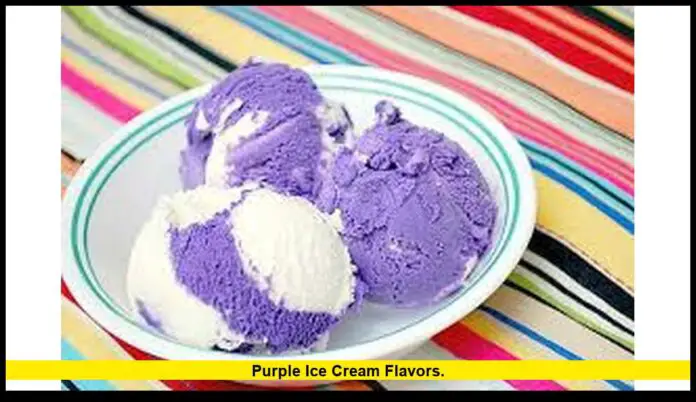
Purple ice cream flavors are no longer a novelty reserved for specialty shops — they’ve moved into mainstream menus, grocery freezers, and viral social feeds. From the nutty sweetness of ube to the color-shifting magic of butterfly pea, U.S. consumers are embracing purple scoops for their taste, texture, and Instagram-ready looks.
Table of Contents
What’s driving the purple scoop craze
Several factors explain why purple ice cream flavors are having a moment. Social media visuals reward striking colors, and purple stands out in feeds. At the same time, growing interest in global ingredients — especially flavors rooted in Southeast Asian cuisines — has brought ube, taro and purple sweet potato into American palates. Industry trend reports and recent menu rollouts across the country show that retailers and restaurants are intentionally expanding their violet-inspired offerings.
Ube: the purple yam that headlines menus
Ube, a purple yam from the Philippines, is the most recognizable purple ice cream flavor in the U.S. Its natural violet color and mildly sweet, nutty profile make it a perfect match for frozen desserts. Ube’s rise reflects broader consumer interest in cultural ingredients and authentic flavor experiences. Many restaurants and retail brands now sell ube ice cream, pastries, and frozen treats, while small dessert businesses specializing in ube continue to grow as demand increases.
Taro and purple sweet potato: similar hues, different tastes
Taro and purple sweet potato often get grouped with ube because of their beautiful lavender tones, but their flavor profiles differ significantly. Taro offers a mellow, earthy nuttiness, while purple sweet potato tends to be sweeter and denser. Ice cream makers use these qualities to build distinct variations — taro for a subtle, starchy smoothness and purple sweet potato for a naturally sweet, dessert-forward finish.
Botanical purples: lavender and butterfly pea
Not all purple ice creams come from root vegetables. Lavender has long been a favorite in artisan ice creams thanks to its calming floral aroma, often paired with honey or vanilla. Butterfly pea flower has recently gained attention for its color-changing properties. Naturally blue, it transforms into bright purple when mixed with acidic ingredients, making it a social-media-ready ingredient that ice cream shops use for novelty or seasonal flavors.
How makers create purple ice cream colors and flavors
Producers blend natural color, texture, and flavor using a variety of methods:
- Whole or mashed tubers, such as ube, taro, or purple sweet potato, cooked into custard bases for genuine flavor.
- Concentrates or jams like ube halaya to deepen color and sweetness.
- Botanical infusions from lavender or butterfly pea for floral notes or visual effects.
- A mix of natural pigments and stabilizers in large-scale production to keep colors consistent across batches.
Who’s buying — and why it matters for shops
Purple ice cream flavors attract multiple types of consumers: food explorers eager to try global flavors, shoppers looking for eye-catching desserts, and fans of nostalgic or cultural cuisine. Independent ice cream shops use purple flavors to stand out, while grocery brands rely on these vibrant products to drive seasonal or limited-edition sales. Industry trends from 2025 show that purple flavors are now a defined category in dessert innovation rather than a passing fad.
Safety, labeling and authenticity
As interest grows, so does the focus on transparency. Authentic purple flavors are often marketed with clear ingredient notes, such as “made with real ube” or “prepared from steamed taro.” Botanical bases like butterfly pea are typically labeled as flower or tea extracts. Clear labeling helps consumers distinguish genuinely natural products from those using artificial dyes, especially as buyers increasingly prefer real ingredients.
How to spot authentic purple ice cream
For those seeking true tuber-based purple ice cream rather than artificially colored versions:
- Look for ube, taro, or purple sweet potato listed directly in the ingredients.
- Seek descriptors such as “ube halaya” or “mashed taro.”
- Visit specialty ice cream shops or Asian grocery markets, which are more likely to use authentic ingredients and traditional preparation methods.
DIY at home: making purple scoops
Home cooks can easily recreate purple ice cream flavors:
- Ube: Blend ube halaya or ube extract into a custard base for classic flavor.
- Taro or purple sweet potato: Roast or steam, mash, and incorporate into cream mixtures for smooth, colorful results.
- Butterfly pea: Steep dried flowers in cream for a blue base that turns purple with a touch of lemon.
What to expect next
Purple ice cream flavors have evolved from a niche curiosity into a mainstream dessert category shaped by cultural inspiration, natural ingredients, and visual appeal. Expect continued experimentation with hybrid flavors — including ube caramel, taro brown butter, and botanical combinations — as well as expanded grocery-store presence. The influence of global cuisines and consumer demand for natural colors suggest the purple trend is here to stay.
Final scoop
Purple ice cream flavors offer more than a striking color — they deliver layered taste, cultural depth, and creative possibilities. From ube to butterfly pea, violet-hued scoops are reshaping dessert menus and captivating American ice cream lovers.

