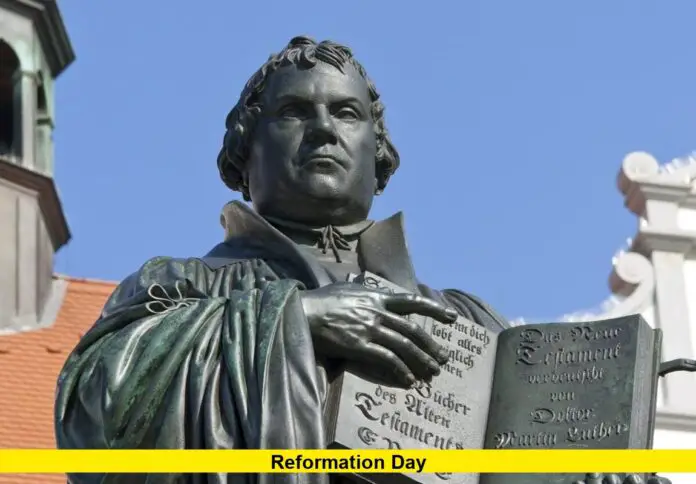
Reformation Day stands as one of the most defining milestones in Christian history—a day that reshaped faith, culture, and freedom for centuries to come. In 2025, Reformation Day will be observed on Friday, October 31, with churches across the United States marking it through worship, education, and reflection. Though the date is centuries old, its message of renewal and faith continues to resonate deeply in modern America.
Table of Contents
The Origin of Reformation Day
Reformation Day commemorates October 31, 1517, when Martin Luther, a German monk and theology professor, made history by challenging the dominant religious practices of his time. Luther’s famous “Ninety-Five Theses,” which questioned the sale of indulgences and called for a return to biblical faith, became the catalyst for the Protestant Reformation—a spiritual and cultural transformation that would spread across Europe and eventually shape the New World.
While many remember Luther’s act of posting the theses on the door of Wittenberg’s Castle Church, what truly mattered was the courage behind it. His call to reform wasn’t a rebellion for power—it was a plea for truth, for grace, and for Scripture to hold authority over tradition. His message was simple but revolutionary: faith in God’s grace, not human works, is the foundation of salvation.
That conviction ignited a movement that transformed not just religion but society itself—encouraging literacy, empowering conscience, and redefining the relationship between individuals and faith.
Why October 31 Still Matters
Reformation Day isn’t simply about looking back to the 16th century. Its significance lies in what it represents: the pursuit of truth, the courage to question, and the power of faith to bring renewal.
The day falls on October 31, the eve of All Saints’ Day, when Luther’s actions directly challenged the religious culture of his era. For Protestants worldwide, that date became a symbol of transformation—the moment when light broke through the darkness of spiritual confusion.
In the United States, Reformation Day is not a federal holiday, but it holds deep meaning for millions of Christians. It’s a time to honor the origins of faith traditions, reflect on the principles of Scripture, and renew commitment to spiritual growth. Many churches choose to celebrate it on the last Sunday of October, known as Reformation Sunday, to ensure that congregations can gather together in worship and learning.
The Lasting Message of the Reformation
The power of Reformation Day lies in the timeless truths that emerged from it—truths that continue to define Protestant faith today.
- Scripture Alone (Sola Scriptura): The Bible is the highest authority in matters of faith and practice.
- Faith Alone (Sola Fide): People are justified by faith, not by their own deeds.
- Grace Alone (Sola Gratia): Salvation is a free gift from God, not something that can be earned.
- Christ Alone (Solus Christus): Jesus Christ is the only mediator between God and humankind.
- Glory to God Alone (Soli Deo Gloria): All honor and worship belong to God, not to human efforts or institutions.
These principles didn’t just reform the church—they reshaped education, governance, and personal freedom. They encouraged people to read, think, and pray for themselves. And in doing so, they helped lay the groundwork for values that would later influence democracy and individual liberty.
How Reformation Day Is Celebrated in the U.S.
Across the country, Protestant denominations celebrate Reformation Day with services and activities designed to reflect on faith and history while engaging the entire congregation.
Common Church Traditions:
- Special Worship Services: Churches often include hymns like A Mighty Fortress Is Our God, written by Luther himself. The color red is frequently used in decorations and clergy vestments, symbolizing the fire of the Holy Spirit and the courage of reform.
- Educational Programs: Sunday schools and Bible study groups revisit the story of the Reformation, teaching children and adults alike about its lasting impact.
- Faith Festivals: Some churches host family-friendly “Reformation Fairs” as an alternative to Halloween activities, blending fun, food, and faith education.
- Scripture Readings and Sermons: Pastors preach about grace, faith, and renewal—tying Luther’s message to modern challenges facing today’s believers.
For example, Lutheran, Presbyterian, and Methodist congregations often plan a Reformation Sunday worship service on the weekend before October 31. It becomes both a remembrance and a rededication—a way to celebrate not just what the Reformation achieved, but what it continues to inspire.
The Reformation’s Influence on America
The ideals behind Reformation Day helped shape the moral and intellectual foundations of the United States. When early settlers came to the New World, many carried with them the Protestant emphasis on freedom of conscience, education, and personal responsibility before God.
That emphasis later found its way into the American ethos:
- The idea that every person should be free to read and interpret Scripture paralleled the belief in freedom of speech and religion.
- The value placed on literacy—so people could read the Bible—helped fuel public education in colonial America.
- The conviction that leaders should be accountable to divine and moral law influenced democratic governance.
In that sense, Reformation Day is not just a church observance; it’s a reminder of how spiritual courage and intellectual conviction helped shape American identity itself.
Reformation Day in Modern Life
In today’s fast-paced, digital world, the Reformation’s lessons remain surprisingly relevant. The courage to stand up for truth, to challenge complacency, and to seek renewal continues to resonate.
Many modern churches use Reformation Day as an opportunity to explore how faith interacts with contemporary issues—social justice, digital ethics, community engagement, and unity among Christians. The focus isn’t on division but on shared values: a commitment to truth, grace, and faith that transforms hearts and societies.
Churches across the U.S. now livestream Reformation-themed services, host podcasts about theology and renewal, and create online devotionals that make the history accessible to new generations. What began as an act of protest over 500 years ago now echoes through modern technology, connecting millions to its enduring message.
How Families Can Celebrate Reformation Day at Home
Even outside the church walls, Reformation Day offers rich opportunities for families and individuals to engage with their faith.
Here are some meaningful ways to mark the day:
- Read the Bible Together: Choose passages that highlight grace and faith—like Romans 1:17 or Ephesians 2:8–9—and talk about what they mean in daily life.
- Watch an Educational Film: Documentaries or dramatizations about Martin Luther and the Reformation help bring history to life.
- Teach Children the Story: Encourage kids to learn about courage and faith through crafts, storytelling, or family devotion time.
- Pray for Renewal: Offer prayers for unity among Christians and for the continued reform of hearts, communities, and institutions.
- Reflect Personally: Take a quiet moment to ask, “What areas of my life need renewal?”—keeping alive the true spirit of reformation.
Reformation Day 2025 at a Glance
| Aspect | Details |
|---|---|
| Date | Friday, October 31, 2025 |
| Reformation Sunday | October 26, 2025 |
| Commemorates | Martin Luther’s Ninety-Five Theses, 1517 |
| Main Themes | Grace, faith, Scripture, renewal, courage |
| Primary Observers | Protestant Christians worldwide |
| Status in U.S. | Religious observance, not a public holiday |
| Color Symbolism | Red, representing the Holy Spirit |
| Common Hymn | “A Mighty Fortress Is Our God” |
| Modern Focus | Renewal of faith, unity, education, outreach |
The Enduring Power of Reformation Day
More than 500 years after that bold act in Wittenberg, Reformation Day continues to speak to the heart of every believer. It is not a call to nostalgia but to reflection—to remember that faith is alive, that truth still matters, and that renewal begins with conviction and courage.
In an era when the world moves faster than ever, this ancient commemoration reminds us to pause, look within, and ask how the principles of grace and faith can guide our modern lives.
As Reformation Day 2025 approaches, take time to reflect on its meaning, share your thoughts with others, and keep the spirit of renewal alive in your community.

