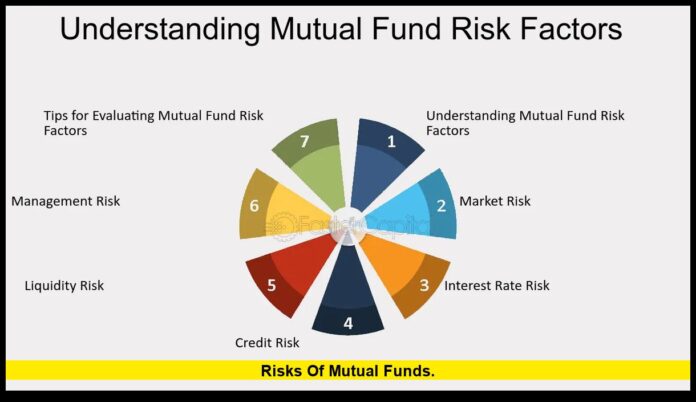
Understanding the risks of mutual funds is essential for investors who want to build wealth while protecting their capital. Mutual funds remain one of the most widely used investment options in the United States, offering diversification, professional management, and accessibility. However, despite their popularity, these investment vehicles come with their own set of risks that can impact returns and long-term financial goals.
Table of Contents
Why Mutual Funds Are So Popular
Mutual funds pool money from many investors to buy a diversified portfolio of stocks, bonds, or other assets. They are designed to provide an easy entry point into the market for both beginners and experienced investors.
Key reasons why mutual funds are attractive include:
- Broad diversification across industries and asset classes
- Professional fund management by experienced teams
- Lower investment minimums compared to buying individual stocks
- Automatic reinvestment of dividends and capital gains
- High liquidity and ease of buying or selling shares
Despite these advantages, understanding the potential downsides is just as important as knowing the benefits.
The Major Risks of Mutual Funds
Mutual funds are often perceived as “safe” because of their diversified structure, but they are not risk-free. Each type of mutual fund carries specific risks based on its investment strategy, holdings, and market conditions.
1. Market Risk
Market risk is the most fundamental risk associated with mutual funds. It reflects the possibility that the value of investments will decline due to broader market movements.
When the stock or bond market experiences a downturn, most mutual funds are affected—even those that are well diversified.
Market risk can be influenced by:
- Economic recessions or slowdowns
- Global political or financial instability
- Sudden shifts in investor sentiment
- Broad stock or bond market corrections
No matter how skilled the fund manager is, market trends play a major role in performance.
2. Interest Rate Risk
Interest rate risk primarily impacts bond funds and balanced funds. When interest rates rise, bond prices typically fall, leading to a decline in the value of bond-focused mutual funds.
Funds holding longer-duration bonds are more sensitive to interest rate changes, which can lead to sharper price drops during rate hikes. This type of risk has become more relevant in recent years due to central bank policies and inflation management strategies.
3. Inflation Risk
Inflation risk occurs when the returns on a mutual fund do not keep pace with the cost of living.
For example:
- If a mutual fund delivers 4% annual returns while inflation is at 6%, the real return is actually negative (-2%).
- Conservative funds like money market or short-term bond funds are more vulnerable to inflation erosion than equity funds.
Inflation quietly diminishes purchasing power over time, making it a significant long-term risk.
4. Liquidity Risk
Liquidity risk arises when mutual funds hold assets that are not easily sold in the market without significant price concessions.
Although most mutual funds allow daily redemptions, problems can occur if many investors withdraw their money simultaneously during periods of market stress. Specialized or niche funds that invest in less liquid markets are particularly vulnerable.
5. Credit Risk
Credit risk primarily affects bond and fixed-income funds. It refers to the possibility that issuers of bonds in the fund’s portfolio will default on interest or principal payments.
Funds with higher yields often invest in lower-rated bonds, which carry greater credit risk. Downgrades or defaults by multiple issuers can significantly hurt the value of the fund.
6. Manager Risk
Mutual funds rely on active management, meaning the performance depends heavily on the decisions of the fund manager or management team.
Manager risk occurs when poor investment decisions or unexpected strategy changes result in the fund underperforming its benchmark or peer group. Even experienced managers can make mistakes, and frequent turnover in management teams can lead to inconsistent results.
7. Expense Risk
Expense risk refers to how fees and operating expenses affect investor returns over time.
- High expense ratios reduce overall returns, particularly in periods of slow growth.
- Even a seemingly small difference—such as 1% in annual fees—can compound into a significant gap over decades.
This is one reason low-cost index funds have gained popularity: they minimize the drag of expenses.
8. Concentration Risk
Some mutual funds invest heavily in a single sector, geographic region, or theme. While this can amplify gains during bull markets, it also increases the potential for large losses when that sector or region faces headwinds.
For example, a technology-focused fund may perform exceptionally well during periods of innovation but could experience sharp declines if tech valuations fall.
9. Timing Risk
Unlike stocks, mutual funds are priced once per day—after the market closes. Timing risk occurs when investors buy or sell at unfavorable times, often driven by emotion.
Buying just before a market correction or selling during panic can significantly impact long-term returns. Because investors cannot trade intraday, reacting to market movements in real time is more challenging.
Comparing Risks Across Different Fund Types
| Fund Type | Market Risk | Interest Rate Risk | Credit Risk | Liquidity Risk | Inflation Risk |
|---|---|---|---|---|---|
| Equity Funds | High | Low | Low | Low to Medium | Medium to High |
| Bond Funds | Medium | High | Medium to High | Medium | High |
| Money Market Funds | Low | Medium | Low | Low | High |
| Balanced Funds | Medium | Medium | Medium | Medium | Medium |
| Sector Funds | High (Concentration) | Varies | Varies | Medium | Medium |
Different types of mutual funds carry different risk profiles. Equity funds face more market volatility, while bond funds are more exposed to interest rate and credit risks.
Current Factors Affecting Mutual Fund Risks in 2025
As of 2025, several economic factors are shaping how mutual fund risks play out:
- Rising interest rates continue to affect bond fund performance, especially long-duration holdings.
- Market volatility remains high due to geopolitical uncertainties and economic shifts.
- Inflation pressures are forcing conservative funds to work harder to preserve purchasing power.
- Investor behavior is changing, with more investors moving toward passive index funds to reduce manager and expense risks.
Understanding how these trends interact with your portfolio helps in making smarter investment choices.
Practical Strategies to Manage Risks of Mutual Funds
Although you can’t eliminate risk, you can manage and reduce it through practical steps:
1. Diversify Across Fund Types
Spreading investments among equity, bond, and money market funds helps balance different types of risks.
2. Match Funds to Your Time Horizon
Short-term goals may be better served with conservative funds, while long-term goals can withstand more volatility.
3. Monitor Fund Expenses
Choose funds with reasonable expense ratios. Over time, cost savings compound significantly.
4. Understand the Fund’s Objective
Always review the fund’s strategy, holdings, and risk disclosures before investing.
5. Avoid Emotional Trading
Stick to a disciplined investment plan and avoid reacting impulsively to short-term market movements.
6. Rebalance Periodically
Adjust allocations as your goals, risk tolerance, or market conditions change.
Benefits vs. Risks of Mutual Funds
| Aspect | Benefits of Mutual Funds | Risks of Mutual Funds |
|---|---|---|
| Diversification | Broad exposure to multiple assets | Market downturns can still affect all holdings |
| Professional Management | Expertise from experienced managers | Manager decisions may underperform benchmarks |
| Liquidity | Easy to buy and sell | Liquidity problems can arise in stressed markets |
| Accessibility | Low minimums, simple structure | Fees and inflation can erode returns |
Understanding both sides allows investors to make balanced decisions that align with their financial goals.
FAQs About Risks of Mutual Funds
1. Are mutual funds completely safe investments?
No. While they offer diversification, mutual funds are still exposed to market, credit, inflation, and management risks.
2. Can mutual funds lose value?
Yes. Mutual funds can lose value during market downturns, interest rate hikes, or credit events, depending on the fund’s focus.
3. How can I minimize risks without sacrificing returns?
Diversification, low expenses, proper asset allocation, and a long-term investment horizon are key strategies to minimize risk.
Disclaimer: This article is for informational purposes only and does not constitute financial, investment, or legal advice. Market conditions and fund performance may change over time. Always consult a qualified financial advisor before making investment decisions.

