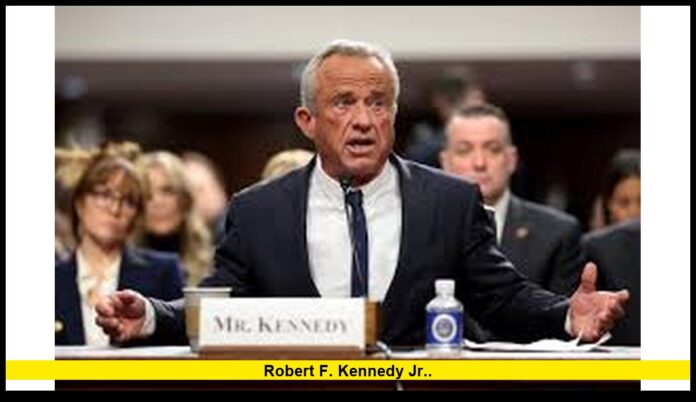
Robert F. Kennedy Jr. remains one of the most closely watched figures in American government as he continues serving as U.S. Secretary of Health and Human Services in 2026. His leadership of the nation’s largest public health agency has brought major policy changes, restructuring efforts, and ongoing debate over the future direction of federal health programs. As of June 2026, Kennedy remains at the center of discussions involving healthcare reform, food policy, public health management, disease prevention, and the federal government’s broader “Make America Healthy Again” agenda.
Table of Contents
Who Is Robert F. Kennedy Jr.?
Robert F. Kennedy Jr. serves as the 26th U.S. Secretary of Health and Human Services (HHS). He officially took office on February 13, 2025, after receiving Senate confirmation and being sworn in at the White House. Kennedy oversees a department responsible for agencies including the Centers for Disease Control and Prevention (CDC), the Food and Drug Administration (FDA), the National Institutes of Health (NIH), and the Centers for Medicare & Medicaid Services (CMS).
Before entering government service, Kennedy built a national profile as an environmental attorney, author, and political figure. His appointment to lead HHS marked one of the most significant developments in federal health policy in recent years because of his long-standing involvement in public health debates and regulatory issues.
The Make America Healthy Again Initiative
One of the defining features of Kennedy’s tenure has been the implementation of the “Make America Healthy Again” (MAHA) initiative.
The program focuses heavily on chronic disease prevention, nutrition, food safety, environmental health concerns, and improving overall health outcomes for Americans. Shortly after Kennedy was sworn in, President Donald Trump signed an executive order establishing the MAHA Commission, with Kennedy serving as its chair. The commission was tasked with examining causes of chronic illness, particularly among children, and developing recommendations for addressing long-term health challenges.
Kennedy has repeatedly emphasized:
- Reducing chronic disease rates
- Improving food quality
- Examining environmental health risks
- Increasing focus on preventive health
- Reforming federal health agencies
- Expanding transparency within government health programs
These priorities have remained central to HHS operations throughout 2025 and into 2026.
Major HHS Restructuring Under Kennedy
One of the most consequential actions during Kennedy’s leadership has been a large-scale restructuring of the Department of Health and Human Services.
The department announced workforce reductions, organizational consolidation, and the creation of new administrative structures designed to streamline operations. Kennedy argued that these changes would reduce duplication, improve efficiency, and redirect resources toward priority health initiatives. The restructuring proposal included consolidating divisions and reducing administrative costs while maintaining major health services.
The reorganization has generated significant national attention because HHS oversees programs affecting millions of Americans through Medicare, Medicaid, public health programs, and medical research funding. Kennedy has defended the changes as necessary modernization efforts aimed at improving accountability and effectiveness.
2026 Leadership Changes at HHS
In 2026, Kennedy implemented notable leadership changes within HHS.
Among the most significant developments was the appointment of Chris Klomp as chief counselor overseeing department operations. Additional management changes affected senior leadership positions across major health agencies, including the FDA and CMS. Officials described the changes as part of an effort to strengthen administration and improve coordination across the department.
The leadership reshuffle came after a year of intense scrutiny surrounding agency operations, policy decisions, and public health initiatives. The changes reflected Kennedy’s ongoing efforts to shape the department according to his policy priorities.
Food Policy and Nutrition Reform Efforts
Food policy remains one of Kennedy’s most visible priorities.
Throughout 2025 and 2026, he has advocated for changes aimed at improving food quality and addressing concerns related to ingredients, nutrition, and chronic disease. Kennedy has repeatedly argued that food systems play a major role in long-term health outcomes and that federal agencies should place greater emphasis on prevention rather than treatment alone.
Several initiatives have focused on:
- Food ingredient reviews
- Nutrition standards
- Health labeling discussions
- Chronic disease prevention strategies
- Public education regarding healthy lifestyles
However, some proposed reforms have encountered resistance from industry groups and concerns about potential effects on consumer prices. Reports during 2026 indicated that certain initiatives were progressing more slowly than originally expected due to economic and regulatory considerations.
Congressional Testimony and Budget Discussions
Kennedy has appeared before Congress multiple times to discuss health policy priorities and funding proposals.
His testimony has focused on HHS restructuring, public health programs, scientific research funding, chronic disease prevention, and department operations. During budget hearings, Kennedy defended the administration’s approach to healthcare spending and outlined plans for agency reforms.
A major component of the department’s budget strategy has involved reallocating resources toward preventive health measures and initiatives aligned with the MAHA agenda. Kennedy has argued that prevention-focused policies could improve public health outcomes while helping control long-term healthcare costs.
Read More – Kennedy Daughter Death: The Life, Legacy, and Loss of Maeve Kennedy Townsend McKean
Preventive Health Policy Developments
Preventive health has emerged as another important area of focus during Kennedy’s tenure.
In May 2026, HHS leadership changes affected the U.S. Preventive Services Task Force, the expert panel that helps determine recommendations for preventive healthcare services. The changes attracted national attention because the panel plays a major role in shaping guidelines related to screenings and preventive care.
Supporters of the changes argued they would improve accountability and transparency. Critics expressed concern about the potential impact on the independence of preventive health recommendations. The issue remains one of the most closely watched developments within federal health policy.
Research, NIH Funding, and Scientific Priorities
Research funding continues to be a major issue under Kennedy’s leadership.
The administration’s health budget proposals have included significant discussions about NIH funding levels, research priorities, and oversight mechanisms. Kennedy has called for what he describes as “gold-standard science” and increased transparency in federally funded research programs.
His proposals have included:
| Area | Focus |
|---|---|
| Medical Research | Continued support for essential scientific studies |
| Public Health | Disease surveillance and preparedness |
| Chronic Disease | Increased attention to prevention efforts |
| Transparency | Greater oversight of research funding |
| Efficiency | Reduced duplication across agencies |
Kennedy has argued that federal research investments should emphasize measurable public health benefits while maintaining scientific competitiveness.
Public Debate Surrounding Kennedy’s Leadership
Few Cabinet officials have generated as much public discussion as Kennedy.
Supporters praise his focus on chronic disease, nutrition, environmental health issues, and efforts to reform government bureaucracy. They view his approach as a challenge to long-standing institutional practices and a push toward prevention-centered healthcare.
Critics, meanwhile, have questioned several policy decisions, leadership changes, and restructuring efforts. Public health organizations, medical groups, and former government officials have expressed concerns regarding some of the administration’s approaches to health governance and scientific advisory systems.
These debates have ensured that Kennedy remains one of the most discussed members of the federal government in 2026.
Current Status in June 2026
As of June 2026, Robert F. Kennedy Jr. continues serving as Secretary of Health and Human Services and remains responsible for overseeing one of the largest federal departments in the United States. His administration is actively pursuing health policy initiatives related to food quality, chronic disease prevention, agency restructuring, healthcare spending, scientific research oversight, and preventive medicine.
Recent developments include continued congressional oversight, ongoing implementation of management changes, discussions about preventive health policy, and efforts to advance food and nutrition initiatives under the broader MAHA framework.
The coming months will likely bring additional attention to Kennedy’s health agenda as federal agencies continue implementing reforms and responding to evolving healthcare challenges across the United States.
What do you think about the policies and priorities shaping Robert F. Kennedy Jr.’s tenure at HHS? Share your thoughts and stay updated on the latest developments.

