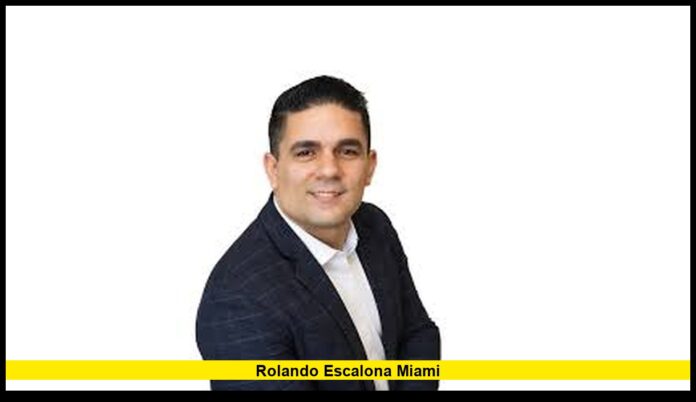
Rolando Escalona Miami has become the new face of hope for many residents in District 3 after a surprising runoff victory that ended decades of entrenched political rule. On December 9, 2025, Escalona defeated veteran politician Frank Carollo, capturing over 53 percent of the vote. Voters sent a strong signal that they are ready for fresh leadership and a new direction for their neighborhoods.
Table of Contents
From Hospitality to Politics: Escalona’s Unlikely Rise
Escalona’s journey to City Hall stands in stark contrast to the typical political path. Before running for office, he worked in Miami’s hospitality industry. As the general manager of a popular Brickell-area restaurant, he saw firsthand the struggles many working-class families face in the city — from rising rents to long commutes.
He later decided to channel those experiences into public service. Escalona campaigned on issues that resonated deeply with District 3 residents: affordable housing, safer streets, improved public transit, and stronger representation for communities such as Little Havana and Brickell. His background and message struck a chord with voters seeking someone who understood their daily realities.
In his campaign, Escalona positioned himself as a fresh, working-class voice — not a career politician — arguing that Miami needed new energy and genuine community focus rather than recycled leadership.
The 2025 Race: A Timeline of Key Events
Here’s how the District 3 race unfolded in 2025:
- November 4, 2025 — General Election: The field was crowded, and no candidate won a majority. Frank Carollo led with about 38 percent. Escalona trailed, with roughly 17 percent. Because no one reached 50 percent, a runoff became necessary.
- Same Night — Miami Voters Pass New Charter Amendment: Voters approved a lifetime-term limit for city commissioners and mayors. Immediately, questions emerged about Carollo’s eligibility, given his previous terms.
- Legal Challenge Ensues: A group of Miami voters filed a lawsuit seeking to remove Carollo from the runoff ballot — arguing he was ineligible under the new term-limit law. Opponents called the amendment potentially retroactive.
- Court Decision — Runoff Proceeded: A Miami court declined to bar Carollo from the runoff, citing a lack of conclusive evidence and noting the risk of disrupting the election process so late in the game. Carollo remained on the ballot.
- December 9, 2025 — Runoff Voting Day: Voters went to the polls. Escalona won decisively, with more than 53 percent of ballots cast — a strong mandate for change.
The rapid shift from uncertainty to a clear victory underscored the electorate’s appetite for new leadership.
What Escalona’s Victory Represents
A Break from Established Political Dynasties
Frank Carollo is part of a well-known Miami political family, which has held influence for many years. Escalona’s win marks a dramatic break from that tradition — signaling that longevity and name recognition no longer guarantee power in Miami politics. Voters appeared ready to move past established elites and embrace a candidate grounded in everyday concerns.
A Working-Class Voice in Government
Escalona’s background gives him credibility among residents who feel left behind by rising costs and gentrification. As someone who has worked in service industry jobs, he may bring empathy and firsthand understanding to issues others in government might overlook. For many District 3 constituents, his win feels personal: a working-class neighbor now speaks for them in City Hall.
A Mandate for Change — With High Expectations
Escalona’s platform focused on:
- Expanding affordable housing
- Improving public safety and infrastructure
- Enhancing public transit
- Prioritizing equitable representation for marginalized neighborhoods
The strong margin of his victory suggests voters expect real action. For many residents, it’s not just a symbolic win — it’s a promise that new attention will be paid to long-neglected problems.
However, delivering on those promises will be challenging. As a newcomer, Escalona must navigate established political structures, build alliances, and balance competing demands. The pressure to deliver quickly will be high.
The Residency Controversy: What Happened, What Was Decided
One of the most watched drama points of the campaign was a legal challenge over whether Escalona really lived in District 3 — a requirement for holding the seat. Opponents pointed to mortgage refinance documents listing a different address, outside the district. Escalona countered that since June 2024 he had lived in a rental unit within District 3 and swore under oath to that fact.
Critics painted the lawsuit as politically motivated. Supporters of Escalona argued it was a distraction from more important issues. The court ultimately ruled against removing him from the ballot, allowing the runoff to proceed as planned.
In his public response, Escalona called the challenge a “politically motivated distraction” and reaffirmed his commitment to serve as a resident of District 3.
What’s Ahead: Promises, Challenges, and Early Priorities
Now that Escalona has officially secured the seat, all eyes turn to what he will do next. For many constituents, this victory is about expectation — real help, real change.
Here’s what he has pledged to focus on:
- Affordable Housing: Escalona aims to support initiatives that offer more housing options, protect renters, and manage Miami’s rising cost of living.
- Public Safety and Infrastructure: He plans to invest in community infrastructure, better lighting, street repairs, and neighborhood safety enhancements.
- Public Transit Improvements: With many District 3 residents reliant on public transit, he wants to advocate for better routes, increased frequency, and improved access.
- Inclusive Leadership and Representation: He hopes to bring a new, community-driven style to local government — treating constituents not as votes, but as neighbors with real needs.
Still, as a first-time officeholder, he faces steep learning curves. He must build coalitions within the City Commission, make sure campaign promises survive the transition to policy, and deliver tangible results fast — or risk disappointing the community that voted him in.
Some residents may continue to raise concerns, especially given the recent legal scrutiny of his residency. Trust will need to be earned quickly.
What This Could Mean for Miami Politics
The upset win by Rolando Escalona may signal a broader shift in Miami’s political landscape. For decades, political dynasties and established names dominated local office. Now, voters appear more open to outsiders — people rooted in their communities, with real-life experience and fresh ideas.
If Escalona delivers on his promises, his success could encourage other community-rooted leaders to step forward. It may inspire more working-class, grassroots candidates to run, potentially reshaping the profile of Miami’s City Commission.
In neighborhoods like Little Havana, Brickell, and beyond, residents may feel more empowered. The victory could lead to increased civic engagement, higher voter turnout, and stronger demands for accountability from elected officials.
Moreover, this result could influence how future campaigns are run. Messages focused on everyday issues — rent, safety, transit — may resonate more than traditional political rhetoric. Candidates might prioritize authenticity and community connection over name recognition or establishment ties.
What Escalona Must Deliver — And What Residents Should Watch
For residents of District 3, the next months matter. Escalona’s transition from candidate to commissioner will reveal whether this election was mainly symbolic — or the start of substantive change. Here’s what to watch:
- Will he propose concrete plans for affordable housing and tenant protections?
- Will infrastructure and safety improvements begin in neglected neighborhoods?
- Will public transit access increase in underserved areas?
- Will he remain accessible and responsive to residents, not just big donors or political insiders?
- Will he build alliances across the City Commission to get projects moving — or struggle against entrenched opposition?
How Escalona handles these early days could shape not only his political future, but the trajectory of Miami for years to come.
Ultimately, the election of Rolando Escalona represents more than a political upset — it reflects a city wanting change, wanting representation, wanting leadership that mirrors the people. If he lives up to that expectation, District 3 could become a model for civic renewal in Miami.
Your thoughts matter — what issues do you hope Escalona tackles first? Share in the comments and stay tuned for what comes next.

