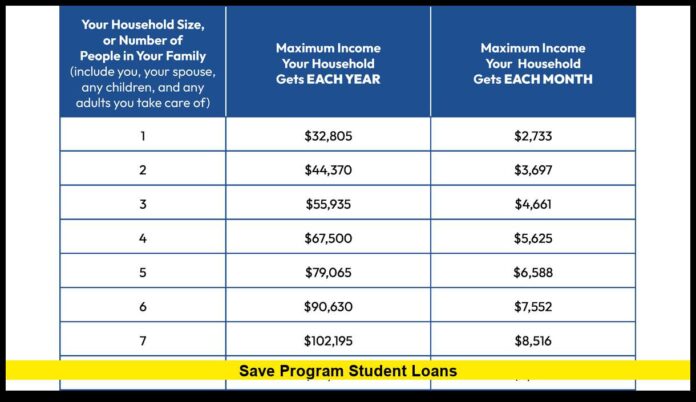
Save program student loans are now at the center of a confirmed transformation in the U.S. federal student loan system, marking the end of one of the most borrower-friendly repayment structures ever offered. As of today, federal officials have formally moved to discontinue the SAVE repayment plan, triggering a nationwide transition that affects millions of Americans currently managing student debt. This change is active, verified, and already reshaping how borrowers plan their finances in 2025 and beyond.
The shift does not exist in isolation. It reflects broader legal, economic, and administrative realities that now define the federal student loan landscape.
Table of Contents
How the SAVE Plan Became So Widely Used
The SAVE plan was designed to reduce financial pressure on borrowers by aligning monthly payments closely with income rather than total debt. For many Americans, especially those early in their careers or facing rising living costs, the plan offered immediate relief and predictability.
SAVE lowered required payments for low- and middle-income borrowers and reduced the risk of loan balances growing due to unpaid interest. This structure made it especially attractive to borrowers who had struggled under traditional repayment systems.
As enrollment increased, SAVE quickly became one of the most commonly selected repayment options for federal student loans.
Why the SAVE Plan Is Ending
The decision to discontinue SAVE followed extensive legal scrutiny. Federal authorities ultimately determined that continuing the program would conflict with existing statutory limits governing repayment authority.
Rather than allowing uncertainty to continue, the government confirmed that SAVE would be phased out entirely. This decision applies nationwide and is not subject to borrower opt-out or renewal.
The outcome is definitive. SAVE is no longer part of the long-term federal repayment framework.
What Borrowers Are Experiencing Right Now
Borrowers currently enrolled in SAVE are in a transitional period. Payments and interest accrual continue under temporary conditions, but SAVE itself is no longer a permanent option.
Key realities borrowers are facing include:
- The inability to newly enroll in SAVE
- Notification that a new repayment plan will be required
- Preparation for potential payment recalculations
While the transition is structured to avoid immediate disruption, inaction could result in less favorable repayment outcomes.
How Monthly Payments May Change
SAVE often produced the lowest possible monthly payments available under federal programs. Its removal means many borrowers will face adjustments.
For some, the increase may be manageable. For others, especially those who previously qualified for very low payments, the difference could be substantial.
Payment outcomes depend on factors such as:
- Annual income
- Family size
- Outstanding loan balance
- Chosen replacement plan
Borrowers who act early generally have more control over how much their payments change.
Repayment Plans Replacing SAVE
With SAVE exiting the system, borrowers must choose from existing repayment options that remain legally authorized.
Income-Based Repayment
Income-Based Repayment continues to serve as the primary alternative for borrowers seeking income-adjusted payments. Monthly obligations are recalculated annually and remain sensitive to changes in earnings.
While IBR does not replicate every benefit SAVE offered, it still provides meaningful relief compared to fixed repayment plans.
Standard Repayment Structures
Borrowers who do not actively select an income-driven option may be placed into a standard repayment plan. These plans offer consistency but do not adjust for income changes.
For some borrowers, standard repayment may be financially manageable. For others, it may require budgeting adjustments or long-term planning changes.
Forgiveness Timelines and SAVE’s Exit
SAVE included forgiveness features that shortened repayment horizons for certain borrowers. With the plan ending, forgiveness eligibility must now be evaluated under the rules of the replacement plan.
This creates several important considerations:
- Some payment history under SAVE may not transfer
- Forgiveness timelines may lengthen
- Borrowers nearing forgiveness thresholds should prioritize timely plan selection
Understanding how forgiveness applies under the new plan is essential for long-term financial planning.
Interest Accumulation After SAVE
One of SAVE’s defining features was its protection against runaway interest growth. That protection does not automatically extend to other plans.
After transitioning out of SAVE:
- Interest accrues based on federal loan terms
- Unpaid interest may increase total balances
- Payment discipline becomes more important
Borrowers should review how interest behaves under their chosen plan to avoid unexpected balance growth.
Administrative Process and Deadlines
Federal loan servicers are responsible for managing the transition away from SAVE. Borrowers will receive formal notices outlining:
- Transition deadlines
- Available repayment options
- Steps required to maintain good standing
Missing deadlines may lead to automatic placement into repayment plans that may not align with a borrower’s financial situation.
Financial Planning in a Post-SAVE Environment
The end of SAVE highlights the importance of active loan management. Borrowers are now expected to make informed decisions rather than relying on automatic protections.
Smart planning includes:
- Reviewing repayment options annually
- Monitoring income changes
- Adjusting plans as household circumstances evolve
Borrowers who stay engaged tend to experience fewer surprises and greater financial stability.
What This Change Says About Federal Policy
The removal of SAVE signals a shift toward tighter controls on federal repayment programs. Policymakers are emphasizing statutory authority and long-term sustainability over rapid relief expansion.
For borrowers, this means fewer experimental programs and greater reliance on established repayment structures.
Understanding this direction helps borrowers set realistic expectations.
Who Is Most Affected
SAVE’s end most strongly affects:
- Low-income borrowers who relied on minimal payments
- Borrowers early in repayment
- Individuals working toward forgiveness
- Households balancing student debt with rising living costs
These groups should pay close attention to transition guidance.
Preparing for the Road Ahead
Borrowers are encouraged to prepare rather than react. Taking time now to evaluate options can reduce stress later.
Preparation steps include:
- Updating income information
- Estimating future payments
- Planning household budgets accordingly
Early action often leads to better outcomes.
Final Perspective on Save Program Student Loans
The confirmed end of save program student loans represents a turning point for federal borrowers across the United States. While the transition may bring challenges, it also offers an opportunity for borrowers to reassess their repayment strategies and regain control over their financial paths.
As repayment rules continue to evolve, staying informed and proactive remains the strongest advantage any borrower can have.

