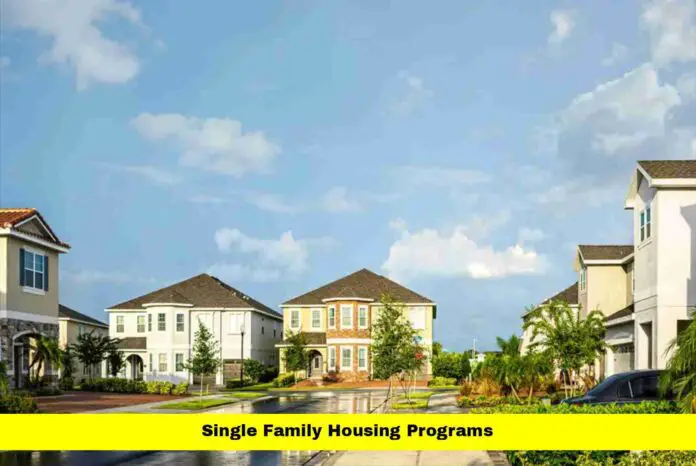
Single Family Housing Programs continue to play a crucial role in expanding homeownership opportunities for rural and low-to-moderate-income Americans. As 2025 progresses, these programs are undergoing important policy updates aimed at improving accessibility, modernizing application processes, and expanding financial support for eligible families. With housing costs rising and rural communities seeking sustainable growth, these changes have taken center stage in national housing discussions.
Table of Contents
Why Single Family Housing Programs Matter in 2025
Homeownership remains a key pillar of economic security in the United States. For families in rural and underserved areas, access to financing is often limited by lack of private lenders or high upfront costs. This is where Single Family Housing Programs step in — offering affordable loan options, direct financing, and grants to make homeownership attainable.
These programs not only help families secure stable housing but also stimulate local economies, create construction jobs, and support community development initiatives. In 2025, emphasis is shifting toward simplifying procedures and expanding outreach, ensuring more households can benefit.
Key Points Summary
🔸 Eligibility Expanded – Updated income limits and revised definitions of “rural” broaden program access.
🔸 Digital Modernization – Online application tools and document uploads introduced nationwide.
🔸 Funding Increases – 2025 budget allocations raise loan and grant caps for several programs.
🔸 Climate-Resilient Housing – New standards encourage energy-efficient and disaster-resistant home construction.
🔸 Focus on Underserved Regions – Enhanced outreach and lender partnerships target communities previously underutilizing the programs.
Policy Revisions and Administrative Priorities
In 2025, multiple revisions have been introduced to streamline Single Family Housing Programs. Updated administrative rules now align loan limits more closely with regional housing market fluctuations. The changes are designed to respond to the persistent affordability gap in both rural and suburban regions.
The new policy adjustments also emphasize environmental sustainability. Builders and applicants are encouraged to use energy-efficient materials and follow green building codes. Incentives have been added for homes designed to withstand extreme weather, an increasingly critical feature for communities affected by hurricanes, floods, or wildfires.
Additionally, the 2025 directives stress transparency. Applicants now have access to clearer eligibility criteria and online tools that calculate qualification levels based on income, location, and household size.
Types of Single Family Housing Programs
There are several core program types designed to address different housing needs. Each serves a specific purpose, providing flexibility for families in diverse situations.
The Direct Loan Program remains the cornerstone, targeting very low- and low-income applicants who cannot qualify for traditional loans. Through government financing, families benefit from reduced interest rates and extended repayment terms, often up to 33 or even 38 years for qualifying households.
The Loan Guarantee Program assists moderate-income borrowers by encouraging approved lenders to issue loans with government backing. This reduces lender risk and enables applicants to secure competitive rates without large down payments.
The Repair and Rehabilitation Program focuses on improving existing homes. Grants and low-interest loans are available to address structural issues, upgrade systems like plumbing or roofing, and make homes safer for elderly occupants.
Finally, Self-Help Housing Programs empower groups of families to contribute labor toward building their homes, significantly reducing costs while fostering community bonds.
Modernization Through Technology
A major 2025 development is the rollout of a centralized online application system. Previously, many applicants faced challenges due to paper-based forms and in-person requirements, which delayed approvals.
The new digital platform allows families to:
- Submit and track applications online.
- Upload required documents securely.
- Receive real-time updates on loan status.
- Access eligibility calculators and program guides.
This modernization aims to shorten processing times, reduce administrative bottlenecks, and increase participation, particularly among younger applicants who prefer digital tools.
Financial Impact and Budget Allocations
For fiscal year 2025, funding levels for Single Family Housing Programs have been increased to address rising construction costs and growing demand. Loan caps for direct financing have been adjusted upward to reflect market realities in rural regions.
Grants for elderly homeowners and essential repairs have also received additional allocations, allowing more properties to meet safety and livability standards. This expanded funding supports both new construction and the preservation of aging housing stock, which remains a critical challenge in many rural communities.
Climate Resilience and Energy Efficiency
New guidelines introduced in 2025 incorporate climate-resilient building practices into Single Family Housing Programs. Applicants constructing new homes are encouraged, and in some cases required, to integrate features like reinforced foundations, flood-resistant materials, and energy-saving appliances.
The emphasis on climate resilience reflects broader federal strategies to reduce disaster recovery costs and improve long-term housing stability. Energy-efficient homes also lower utility bills for residents, easing financial burdens over time.
Expanding Access in Underserved Communities
A recurring challenge has been ensuring program awareness in communities that historically underutilized available assistance. In response, outreach campaigns and partnerships with local organizations are being strengthened.
Multilingual materials, mobile application clinics, and collaborations with rural credit unions are helping bridge the information gap. This broader outreach ensures that eligible households — including first-time homeowners, veterans, and seniors — understand how to navigate the application process and secure funding.
Program Performance and Future Goals
Early indicators suggest increased participation since the 2025 changes were enacted. Application processing times have decreased, more loans have been approved, and repair grants have reached a wider demographic.
Looking ahead, program administrators aim to further reduce wait times, expand lender partnerships, and continue modernizing infrastructure. By doing so, Single Family Housing Programs are expected to play a larger role in stabilizing rural housing markets and supporting sustainable growth.
Economic Ripple Effects
Beyond individual homeowners, these programs have significant ripple effects on local economies. Increased construction activity generates employment for contractors, builders, and suppliers. Small towns benefit from renewed housing stock, attracting new residents and businesses.
Moreover, stable homeownership contributes to stronger property tax bases, funding local schools, infrastructure, and services. This holistic impact underscores why continued support and modernization of Single Family Housing Programs remain a priority.
Challenges Still Ahead
While progress is evident, challenges remain. Some rural regions still face shortages of qualified contractors, slowing construction timelines. Others struggle with broadband connectivity issues that can affect digital application processes.
There is also ongoing discussion about how to adapt program eligibility criteria to better reflect regional cost variations without excluding families on the margins. Addressing these issues will be critical for maintaining the momentum achieved in 2025.
Looking Forward
The evolution of Single Family Housing Programs reflects changing housing dynamics in the United States. By integrating technology, prioritizing climate resilience, and expanding outreach, these programs are positioning themselves to serve future generations more effectively.
For families seeking affordable homeownership, particularly in rural communities, 2025 represents a turning point marked by increased access, modernization, and renewed policy focus.
Frequently Asked Questions
1. Who qualifies for Single Family Housing Programs?
Eligibility depends on income limits, location, and housing need. Programs target low-to-moderate-income families in rural areas.
2. What types of assistance are available?
Assistance includes direct loans, loan guarantees, repair grants, and self-help programs, each tailored to different circumstances.
3. How have the programs changed in 2025?
Changes include higher loan limits, streamlined online applications, expanded eligibility, and new climate-resilient construction guidelines.
Disclaimer
This article is for informational purposes only. Eligibility requirements, funding levels, and administrative procedures are subject to change based on federal regulations. Readers should consult official program materials for specific application details.

