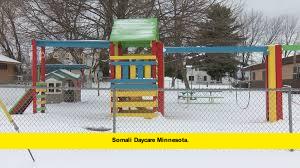
In recent weeks, somali daycare minnesota programs have moved into the national spotlight as questions emerge about childcare funding, public oversight, and accountability in Minnesota. What began as a local concern has rapidly escalated into a broader conversation involving lawmakers, law enforcement, and community leaders, all focused on how childcare funds are distributed and monitored across the state.
The issue has resonated well beyond Minnesota, touching on trust in public programs, the importance of effective regulation, and the real-world impact on families who rely on childcare assistance every day.
Table of Contents
Viral Footage Ignites Public Debate
Public attention intensified after a widely shared video showed a licensed daycare facility in Minneapolis that appeared inactive despite being approved to serve a large number of children. The footage sparked immediate debate online and among policymakers, with critics questioning how a center with little visible activity could receive millions of dollars in public childcare funding.
The video fueled outrage among taxpayers and lawmakers alike, many of whom demanded explanations about licensing approvals, inspections, and reimbursement systems. Images of an empty building paired with large funding figures became a powerful symbol in the debate over state oversight.
As the footage spread across social media platforms, it transformed a local licensing concern into a nationwide discussion about accountability in social service programs.
Political Response and Intensifying Scrutiny
Minnesota’s political leaders quickly faced pressure to address the situation. Calls for audits, hearings, and deeper reviews followed as lawmakers questioned whether existing safeguards were strong enough to prevent misuse of public funds.
Some officials framed the controversy as evidence of long-standing weaknesses in oversight systems, while others cautioned against drawing conclusions before investigations were complete. Despite differing perspectives, there was broad agreement that transparency and accountability in childcare funding must be strengthened.
The issue also became part of a wider national political conversation, with commentators pointing to Minnesota as a case study in how gaps in administration can undermine public confidence in government programs.
Federal Investigations Expand the Scope
As scrutiny increased, federal authorities stepped in to examine potential fraud linked to childcare and other social service programs. These investigations aim to determine whether public funds were improperly claimed, misused, or diverted away from their intended purpose.
While the daycare at the center of the controversy drew the most attention, investigators have indicated that the inquiry may extend to multiple programs and organizations. The scope of the investigation reflects concerns that irregularities could be systemic rather than isolated.
For Minnesota, the involvement of federal agencies has elevated the seriousness of the issue and reinforced the need for comprehensive oversight reforms.
A Broader History of Oversight Challenges
The daycare controversy did not arise in isolation. Minnesota has faced repeated challenges in recent years involving fraud within publicly funded programs designed to support children and families.
Previous cases uncovered weaknesses in monitoring systems, delayed audits, and insufficient verification processes. These patterns have prompted ongoing debates about how to balance rapid funding distribution with effective safeguards.
Experts note that childcare programs are particularly vulnerable due to high reimbursement volumes, decentralized providers, and reliance on self-reported attendance data. Without strong checks in place, these systems can be exploited.
Effects on the Somali-American Community
Minnesota is home to the largest Somali-American population in the United States, and the daycare controversy has had a significant impact on the community. Many Somali families rely on childcare assistance to maintain employment and stability, making the integrity of these programs essential.
Community leaders have emphasized that alleged misconduct by a small number of providers should not define an entire community. They stress that the vast majority of Somali-owned childcare centers operate legally and serve families responsibly.
At the same time, there is concern that heightened scrutiny and political rhetoric could discourage participation in childcare programs, affect small business owners, and create fear among families who depend on these services.
Immigration and Childcare Disruptions
Compounding the situation, increased immigration enforcement activity in parts of Minneapolis has created additional challenges for families and childcare providers. Some parents have reduced attendance or withdrawn children from daycare due to safety concerns, while providers report disruptions in enrollment and staffing.
These developments highlight how interconnected policy issues can affect childcare access, especially in immigrant communities. Advocates warn that reduced participation may have long-term consequences for early childhood development and workforce stability.
State Government Actions and Reform Efforts
In response to the growing controversy, Minnesota officials have announced steps to strengthen oversight of childcare funding. These actions include enhanced audits, increased staffing for inspections, and updated compliance requirements for licensed providers.
The state has also moved to review its reimbursement systems to ensure that payments align more closely with verified attendance and operational capacity. Officials say these measures are designed to protect taxpayer dollars while ensuring that legitimate providers continue serving families without interruption.
Long-term reform efforts focus on modernizing licensing systems, improving data tracking, and increasing coordination between state and federal agencies.
Implications for Childcare Policy
The somali daycare minnesota controversy is already influencing policy discussions at both state and national levels. Lawmakers are examining how childcare subsidies are administered, how providers are vetted, and how fraud prevention can be strengthened without reducing access.
Key policy priorities include:
- More frequent and targeted audits of high-risk programs
- Clearer reporting requirements for childcare attendance
- Improved training and support for providers
- Stronger enforcement mechanisms for violations
These discussions reflect a broader effort to restore public trust while ensuring that childcare remains accessible and affordable for working families.
Balancing Accountability and Access
One of the central challenges facing policymakers is balancing the need for strict oversight with the goal of expanding childcare access. Overregulation could drive providers out of the system, while weak controls risk further misuse of funds.
Experts emphasize that effective reform must involve collaboration with providers, community leaders, and families. Transparent communication and culturally informed approaches are seen as essential to rebuilding trust and maintaining program participation.
What Comes Next
As investigations continue and reforms take shape, the daycare funding controversy remains a defining issue for Minnesota’s social service system. The outcomes could reshape how childcare programs are managed, not only in Minnesota but across the country.
For families, providers, and taxpayers, the stakes are high. The focus now is on ensuring that public funds reach children who need them most, while preventing abuse and restoring confidence in vital support systems.
What do you think about the changes unfolding in Minnesota’s childcare system? Share your thoughts below and stay connected for continuing updates on this developing story.

