Table of Contents
Opening Paragraph
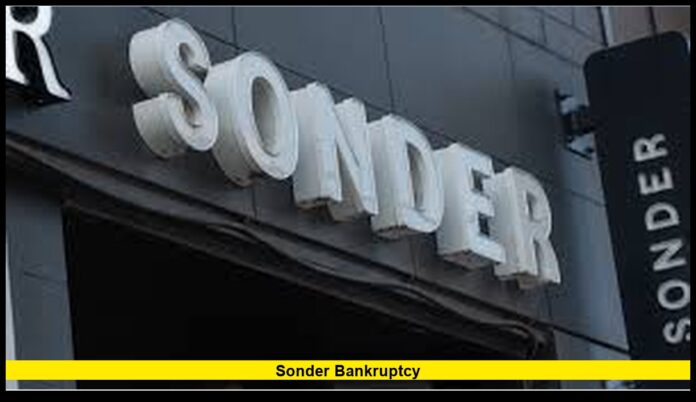
The crisis around Sonder bankruptcy became official in early November 2025, when Sonder Holdings Inc. filed for Chapter 7 liquidation after its deal with Marriott International collapsed. The move triggered an immediate shutdown, leaving thousands of guests scrambling for last-minute accommodations and sending shockwaves through the hospitality industry.
What Led to the Collapse of Sonder
Sonder launched in 2014 and was once seen as a modern hybrid between boutique hotels and short-term rentals — a styled alternative to rivals like Airbnb. Over the years, however, the company consistently burned cash. Public filings and reports show Sonder ran negative operating cash flow and sustained net losses through 2023 and 2024.
To stay afloat, Sonder took long-term leases on apartments and hotel units — a costly commitment under any market conditions. Then in August 2024, Sonder struck what felt like a lifeline: a licensing agreement with Marriott to list Sonder’s units on Marriott’s platforms under the “Sonder by Marriott Bonvoy” banner. That agreement was expected to add more than 9,000 units (rooms/apartments) to Marriott’s portfolio.
By late 2025, financial and operational pressures proved overwhelming. According to court and company filings, Sonder struggled with rising costs, declining revenue, and a weakening balance sheet.
The Marriott Breakup — And Collapse That Followed
On November 9, 2025, Marriott terminated its licensing agreement with Sonder, citing a default on the deal. As a result, Sonder was no longer affiliated with Marriott Bonvoy and its properties were removed from Marriott’s booking platform.
The following day, Sonder publicly announced it would wind down its U.S. operations and begin Chapter 7 liquidation. The company has begun insolvency proceedings in other countries where it operates.
In its bankruptcy filing, Sonder listed between 5,001 and 10,000 creditors, with both its assets and liabilities estimated in the same multi-billion dollar range.
The collapse reportedly stemmed from “severe financial constraints,” in part due to prolonged difficulties integrating Sonder’s booking and reservation systems with Marriott’s platforms. That integration was meant to drive revenue growth — but instead it appears to have triggered unexpected costs and a sharp revenue drop.
Sonder says it explored every option to stay afloat, including prospective buyers and financing alternatives. Those efforts failed. Liquidation became the only viable path forward.
Immediate Fallout: Guests Stranded, Bookings Canceled, Industry Shock
- Many travelers were abruptly informed their stays were canceled — some were even asked to vacate their rooms within hours.
- Guests reported confusion and frustration: prepaid stays vanished, refunds remained uncertain, replacements were often hard to secure on short notice.
- Employees of Sonder lost their jobs almost overnight. Landlords and property owners who leased units to Sonder now face vacant units and unpaid leases.
- Some former Sonder properties are already being snapped up by other operators hoping to re-open them under new management or branding.
Why Sonder’s Business Model Failed
Industry analysts point to multiple structural problems that undermined Sonder’s viability:
- Heavy Real-Estate Commitments: Sonder leased thousands of apartments and hotel units long-term. Declining revenue couldn’t justify the fixed costs.
- Technology & Booking System Integration: The integration with Marriott’s booking platform reportedly faced delays and cost overruns. That directly impacted revenue and cash flow.
- Cash Flow vs. Lease Obligations Mismatch: Despite being backed by venture capital and once valued near $2 billion, Sonder’s cash flow couldn’t keep up with its lease and operating commitments.
- Dependence on a Single Big Partner: Sonder’s merger with Marriott gave momentary hope — but when that alliance unraveled, it left Sonder without liquidity or a clear Plan B.
Financial commentators compare Sonder’s fall to other “tech-branded but heavily asset-dependent” collapses — reminding the industry that a digital front-end doesn’t substitute for sustainable unit economics.
What’s Next — For Properties, Guests, and the Sector
- Several competitors in the “aparthotel” space are reportedly exploring takeovers of former Sonder units. Some managers are evaluating ways to reopen the properties under new brands.
- From a regulatory and legal standpoint, the bankruptcy raises questions about guest data protection, vendor obligations, and property leases. Some experts warn that sudden collapses like this one highlight risks around data privacy and contractual exposure in hospitality.
- Landlords who once leased properties to Sonder now face uncertainty: many units sit empty, and long-term leases may or may not be honored under the liquidation process.
- For travelers and the broader hospitality industry, Sonder’s collapse delivers a stark lesson on the perils of overexpansion — especially when heavy real-estate commitments are paired with fluid demand and tight margins.
The Final Word
The story of Sonder is a cautionary tale. From early hype and rapid expansion to a dramatic bankruptcy that left guests stranded and properties in limbo, the collapse illustrates how promising travel startups can unravel when ambition outpaces economic reality.
If you’re a traveler trying to navigate future bookings or an industry watcher analyzing the aftermath, the fallout from Sonder’s bankruptcy will likely reverberate for months to come.
FAQ
1. What happened in the Sonder bankruptcy?
Sonder filed for Chapter 7 liquidation in November 2025 after its partnership with Marriott ended and the company faced severe financial strain. Operations were shut down immediately and the company began winding down its locations.
2. Are Sonder properties still operating?
Most U.S. locations have closed. Some former Sonder units are transitioning to new operators, while others remain vacant pending legal and financial decisions in the bankruptcy process.
3. Can guests get refunds for canceled stays?
Refund eligibility depends on how the booking was paid for. Guests who used credit cards may request chargebacks. Refunds from Sonder itself are uncertain because Chapter 7 liquidation places all claims into a long legal queue.
4. What should travelers do if they had an upcoming reservation?
Travelers should contact their payment provider, gather documentation of their booking, and secure an alternative hotel or rental immediately. Most Sonder reservations cannot be honored.
5. What happens to employees affected by the shutdown?
Employees lost their jobs when operations ceased. Their final wages and benefits are handled through the bankruptcy process, which may take time to resolve.
6. Are landlords owed money?
Yes. Many landlords who leased apartments or hotel units to Sonder are listed as creditors. Whether they recover funds depends on the outcome of the liquidation process.
7. Is there any chance Sonder will return?
No. Chapter 7 liquidation means the company is being dismantled. Operations are not expected to resume under the Sonder name.
8. How long will the bankruptcy process take?
Chapter 7 cases can take many months or even years, depending on the number of creditors, property leases, and assets that must be resolved.
Disclaimer
This article is for general informational purposes only. It summarizes publicly reported events and verified updates regarding the Sonder bankruptcy as of the date of publication. It should not be interpreted as legal, financial, or professional advice. Travelers, employees, landlords, and other affected parties should consult qualified professionals regarding their specific circumstances. All details are subject to change as the bankruptcy process develops.
Let me know what aspect you’d like to dig deeper into — guest refunds, property takeovers, or industry implications — and I’ll help you stay on top of it.

