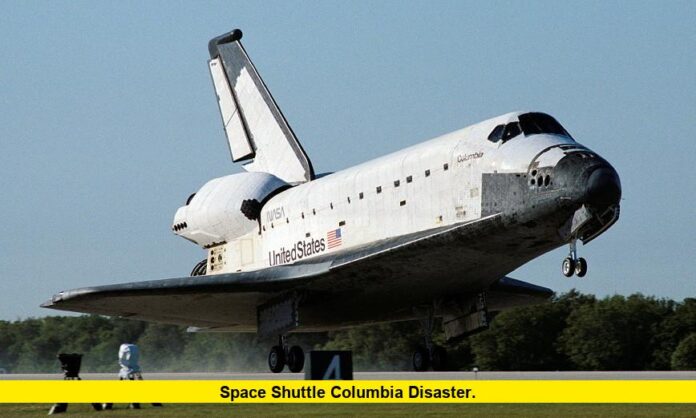
The space shuttle columbia disaster remains one of the most significant and somber moments in U.S. space history. On February 1, 2003, the Space Shuttle Columbia broke apart as it re-entered Earth’s atmosphere, killing all seven astronauts aboard. The tragedy not only marked a devastating loss of life, it reshaped how NASA and the nation think about safety, exploration, and the future of human spaceflight.
As the nation reflects on this event each year, renewed conversations emerge about the lessons learned, the legacy of the Columbia crew, and the ongoing impact on space exploration and aerospace culture in the United States.
Take a moment now to consider what Columbia means for spaceflight safety and the courage of the people who took part in that mission.
Table of Contents
The Mission That Ended Too Soon
Columbia, the first space shuttle built for spaceflight, launched on January 16, 2003, on mission STS-107. Unlike other missions devoted to construction or maintenance of orbiting facilities, this flight focused on scientific research. The seven astronauts conducted experiments in microgravity, Earth sciences, and physical processes. Their work promised discoveries that could benefit medicine, materials science, and our understanding of the natural world.
The crew of STS-107 worked diligently for nearly 16 days. Their mission was nearing completion when disaster struck during the shuttle’s descent toward a scheduled landing. In its final moments, Columbia disintegrated high over the skies of Texas and Louisiana as it plunged through dense atmospheric layers.
What Caused the Columbia Tragedy
Investigations revealed that damage sustained during launch ultimately proved fatal. A piece of insulating foam broke off the shuttle’s external fuel tank and struck the leading edge of Columbia’s left wing. This strike damaged the shuttle’s heat-shielding tiles — key protection against the extreme heat of re-entry.
As the orbiter encountered atmospheric friction on its return to Earth, heated gases entered through the compromised wing section. The intense heat eroded internal structures, destabilizing the shuttle’s flight capabilities. The vehicle broke apart before it could complete its descent, ending the lives of all seven astronauts on board.
This mechanism of destruction highlighted a flaw that, while small in physical size, had enormous consequences. It underscored how even seemingly minor issues can become catastrophic in the hostile environment of space operations.
Remembering the Columbia Crew
The seven members of Columbia’s final mission are remembered as pioneers and dedicated explorers. Their names are permanently etched into national memorials and educational spaces across the country.
Columbia’s commander, pilot, mission specialists, and payload specialist represented a diversity of backgrounds, expertise, and aspirations. They pursued research that expanded human knowledge and contributed to the scientific community in profound ways.
The loss of these astronauts resonates beyond the aerospace community. It touched families, friends, colleagues, and the broader public who followed the mission and the tragedy that ended it. Memorials and public events continue to honor their commitment and sacrifice.
How NASA Changed After Columbia
In the wake of the disaster, the United States space program underwent extensive review and restructuring. The space agency paused shuttle flights for more than two years while experts analyzed what went wrong and how to prevent similar tragedies in the future.
NASA implemented new inspection protocols, especially focused on thermal protection systems. On-orbit checks and more robust monitoring tools became standard practice to assess damage early and thoroughly. NASA also developed contingency plans and rescue readiness protocols to protect crews when damage occurs on orbit.
Organizational changes followed technical fixes. The leadership emphasized listening to engineers, validating safety concerns, and maintaining transparency across all levels of program decision-making. The industry as a whole began embracing a culture that balanced ambition with risk management.
The final years of the shuttle program — before retirement — focused on completing assembly of the orbiting research station. This strategy aimed to ensure that, if damage occurred during shuttle flights, station crews could take refuge in a secure habitat while rescue options were explored.
Commemorations and Ongoing Legacy
Every February 1, Americans remember the Space Shuttle Columbia tragedy. Museums, memorials, and space centers across the U.S. host commemorative events that bring communities together to reflect on the astronauts’ contributions and sacrifices.
One museum in East Texas opens its doors to the public each February to honor Columbia. Special exhibits recount the shuttle’s history, display artifacts from the mission, and share personal stories of those who were involved in the rescue and recovery effort. These gatherings educate new generations and ensure that the legacy of Columbia endures.
Annual memorial ceremonies also take place at national sites dedicated to fallen astronauts. These events honor not only the Columbia crew but all those who lost their lives advancing space exploration. They serve as reminders of both human vulnerability and human courage.
Lessons for Today’s Space Exploration
The space shuttle columbia disaster influenced how future spacecraft are designed, tested, and operated. Safety procedures developed in the aftermath carry forward into modern commercial and government crewed missions. Engineers and mission planners carefully consider how every component, no matter how small, contributes to overall mission safety.
As space launches become more frequent and new vehicles carry astronauts beyond Earth’s orbit to lunar and Martian destinations, the lessons from Columbia inform the foundation of human spaceflight protocols. Rigorous risk assessment, constant vigilance, and robust contingency planning are priorities rooted in past experience.
Columbia’s legacy also reminds the nation that exploration carries inherent risk. The drive to explore, to innovate, and to push humanity further into the cosmos demands respect for the unknown and commitment to safety. The tragedy ultimately strengthened resolve within the aerospace community to protect its astronauts and honor their missions.
What Columbia Means for America
More than two decades after the disaster, the Space Shuttle Columbia tragedy still resonates with Americans. It stands as a symbol of bravery, scientific pursuit, and the price of exploration. The mission’s scientific achievements, the crew’s courage, and the lessons learned continue shaping how the United States advances in space.
Columbia’s story reminds citizens why space exploration matters — not just for technological progress but for human inspiration. Its memory motivates innovators, students, and everyday Americans to engage with science and to support safe, thoughtful exploration of the universe.
Spaceflight remains one of the boldest endeavors a nation can undertake. The Columbia tragedy, and the response it inspired, ensure future journeys carry the wisdom of past sacrifices.
We invite you to share your thoughts about Columbia’s legacy and what space exploration means to you — comment below and stay part of the conversation.

