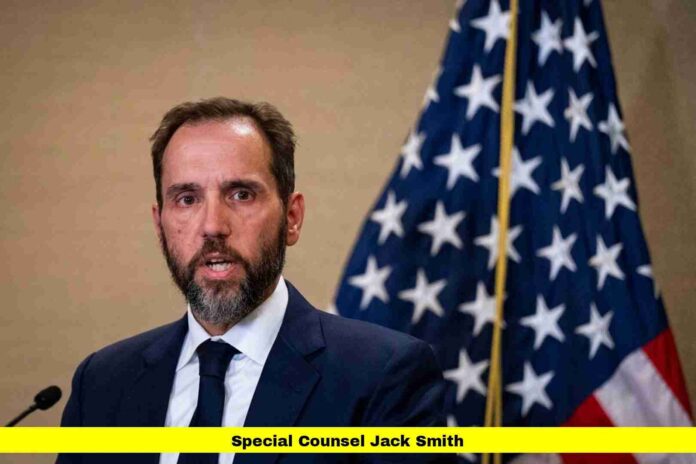
Special Counsel Jack Smith has formally requested to testify publicly before Congress regarding his investigations into former President Donald Trump. This request comes amid growing debate over the handling of cases involving classified documents and alleged efforts to overturn the 2020 election results. Smith’s decision marks a critical step toward transparency, offering lawmakers and the public a chance to understand the scope, methods, and findings of high-profile federal investigations.
Table of Contents
Request for Public Testimony
In a detailed letter submitted to both the House and Senate Judiciary Committees, Jack Smith expressed his readiness to testify publicly. He emphasized the importance of clarifying mischaracterizations of his work and presenting an accurate picture of the investigations. Smith’s legal team has requested guidance from the Department of Justice to ensure he can testify without risk of retaliation or legal complications.
The letter also asked for access to relevant investigative files and specific instructions on confidentiality, especially regarding the unreleased Volume II of his report. This preparation underscores Smith’s commitment to providing comprehensive testimony while respecting legal boundaries. By proactively offering to testify, Smith is signaling both transparency and accountability in one of the most politically charged federal investigations in recent years.
Political Reactions and Congressional Dynamics
Smith’s request has ignited a range of responses across Capitol Hill. Representative Jamie Raskin has expressed support, framing Smith’s testimony as an opportunity to promote clarity and accountability in politically sensitive investigations. In contrast, Republican leaders, including Senator Chuck Grassley, have urged caution, insisting that congressional committees review all relevant documents before public testimony.
House Judiciary Committee Chairman Jim Jordan has not issued a direct response but has previously criticized Smith’s investigations as politically motivated. These partisan differences highlight the ongoing tension surrounding the Trump investigations and illustrate how Smith’s testimony could influence both political discourse and public perception. The request has sparked debate about the appropriate balance between transparency, legal protection, and political sensitivity.
Smith’s Defense of His Investigations
Jack Smith has consistently defended the integrity of his work against accusations of political bias. In recent statements, he described claims of political motivation as “absolutely ludicrous” and emphasized that his team was composed of experienced, nonpartisan federal prosecutors.
Smith highlighted that his investigations were conducted independently and with strict adherence to legal procedures. He also expressed concerns about political interference in the Justice Department, noting that maintaining impartiality is essential to uphold public trust in the legal system. By openly addressing these concerns, Smith underscores the professional and ethical standards guiding his investigations, reinforcing the importance of objective legal oversight in high-profile political cases.
Timeline and Scope of Investigations
The investigations led by Special Counsel Jack Smith span multiple complex areas. The primary focus has been on the handling of classified documents and efforts to overturn the 2020 election results.
- Classified Documents Investigation: This inquiry examines how sensitive government documents were stored, transported, and potentially mishandled. Smith’s team analyzed extensive records, interviewed witnesses, and reviewed communications to determine whether federal laws were violated.
- Election Interference Investigation: This portion of the investigation scrutinizes alleged efforts to interfere with the 2020 election outcomes. It includes examining communications, campaign strategies, and coordination between officials to identify potential illegal activity.
- Subpoenas and Witness Interviews: Throughout both investigations, Smith’s team issued subpoenas to key figures, collecting testimony that shed light on decision-making processes and intent. Each step has been carefully documented to ensure accuracy and accountability.
By encompassing multiple lines of inquiry, Smith’s investigations reflect the intricate nature of federal oversight in politically sensitive cases.
Implications of Public Testimony
Public testimony by Special Counsel Jack Smith could have wide-ranging implications for both legal and political landscapes.
- Clarifying Misconceptions: Testifying before Congress allows Smith to address public confusion, misinformation, and partisan narratives about his investigations.
- Impact on Legal Proceedings: Public disclosure must be carefully managed to avoid influencing ongoing or potential legal cases. Lawyers and judges will monitor the testimony closely to ensure it does not compromise court processes.
- Setting Precedent: Smith’s willingness to testify could influence how future special counsel investigations interact with Congress, establishing norms for transparency and accountability in politically sensitive legal matters.
The testimony may also shape public perception of the Department of Justice and the role of special counsels in maintaining impartiality in investigations involving high-ranking officials.
Ongoing Oversight and Coordination
Congress and the Department of Justice are coordinating logistics to ensure that any testimony is conducted properly. This involves careful planning regarding timing, security protocols, and confidentiality measures. Lawmakers are balancing the public’s interest in transparency with the need to protect sensitive information from disrupting ongoing investigations.
Monitoring the preparation for Smith’s testimony provides insight into how oversight bodies manage politically charged legal matters. It also highlights the critical role of special counsels in maintaining integrity while navigating complex political environments.
Public Interest and Accountability
The public response to Smith’s request has been substantial, reflecting widespread interest in government accountability. Citizens, advocacy groups, and legal analysts are closely following the developments, anticipating that testimony could clarify misconceptions about the scope and methods of the investigations.
Transparency in high-profile cases is essential for maintaining public trust in federal institutions. Smith’s willingness to testify demonstrates a commitment to accountability and reinforces the importance of impartial oversight in politically sensitive investigations. Public engagement and scrutiny play a vital role in ensuring that justice processes remain fair and transparent.
Potential Outcomes and Future Impact
The outcome of Smith’s public testimony may have long-term effects on the legal and political landscape.
- Enhanced Transparency: Lawmakers and the public may gain a clearer understanding of investigative methods, decisions, and the rationale behind prosecutorial actions.
- Influence on Future Special Counsels: Smith’s approach could establish best practices for future investigations involving politically sensitive figures.
- Shaping Public Trust: Clear communication from the special counsel can reinforce confidence in the impartiality and effectiveness of federal investigations.
These potential outcomes highlight the significance of Smith’s testimony beyond the immediate political context, illustrating its impact on the broader principles of legal accountability and institutional trust.
Conclusion
Special Counsel Jack Smith’s request to testify publicly before Congress represents a pivotal moment in recent legal and political history. By offering to provide direct answers about his investigations into former President Trump, Smith aims to ensure transparency, clarify mischaracterizations, and uphold accountability in the federal justice system.
How Congress responds will shape public perception of the Justice Department, influence political discourse, and establish important precedents for future special counsel investigations. As this story unfolds, it remains a defining example of the intersection between law, politics, and transparency in high-profile cases.
Readers and observers are encouraged to follow developments closely, as Special Counsel Jack Smith’s testimony may provide critical insights into the legal processes and accountability measures that govern politically sensitive investigations.

