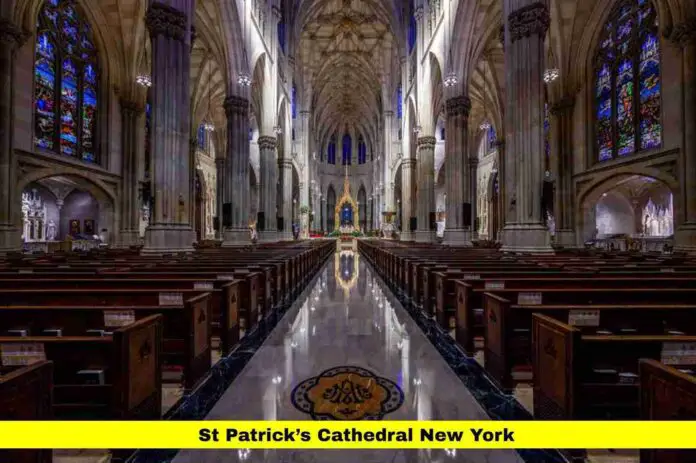
Rising above Fifth Avenue, St. Patrick’s Cathedral continues to stand as one of the most recognizable structures in the United States. The cathedral remains fully active today, serving daily worshippers while welcoming visitors from around the world. Its presence in Midtown Manhattan reflects history, faith, architecture, and the evolving rhythm of New York City.
This in-depth report explores the cathedral’s present role, its architectural and cultural significance, and why it continues to matter in modern American life.
Table of Contents
A Landmark That Still Serves Its Original Purpose
Unlike many historic buildings, the cathedral was never converted into a museum. It functions exactly as intended, hosting daily services, major religious celebrations, and moments of national reflection. Clergy, staff, and volunteers work together to maintain a space that supports worship while remaining open to the public.
This balance between sacred use and public access defines its identity. Visitors experience a working church rather than a preserved relic.
Placement at the Heart of Midtown
The cathedral occupies a prime location along Fifth Avenue, directly across from Rockefeller Center. Skyscrapers, retail storefronts, and office towers surround it, yet the building maintains visual dominance through scale and design.
Its position places it within walking distance of major transit hubs, making it accessible to commuters, tourists, and residents alike. The contrast between modern glass towers and historic stone adds to its visual impact.
Daily Access and Visitor Experience
The cathedral remains open daily, allowing entry for prayer, reflection, and sightseeing during scheduled hours. Security procedures are in place, reflecting current safety standards, but access remains free.
Visitors are asked to maintain respectful behavior, particularly during services. This shared understanding helps preserve the atmosphere despite heavy foot traffic.
Origins and Construction History
Construction began in the mid-nineteenth century, at a time when the area was far removed from New York’s commercial center. Many questioned the decision to build so far north, yet church leaders anticipated the city’s expansion.
Over time, development surrounded the site, transforming what was once open land into one of the busiest districts in the world. The cathedral now sits at the core of the city rather than its edge.
Architectural Vision and Style
Designed in the Neo-Gothic tradition, the cathedral draws inspiration from medieval European churches while adapting to American scale. Twin spires rise prominently above the street, framing the main entrance and anchoring the skyline.
Pointed arches, intricate carvings, and vertical lines emphasize height and light. These elements guide the eye upward, reinforcing spiritual symbolism through structure.
Materials and Craftsmanship
The exterior is clad in white marble sourced from the northeastern United States. Inside, stone columns, carved wood, and stained glass create a layered visual experience.
Artisans from multiple countries contributed to the interior details. The craftsmanship reflects a level of care rarely seen in contemporary construction.
The Interior Atmosphere
Upon entering, visitors often pause in response to the cathedral’s scale. The nave stretches long and wide, with ceilings that draw attention upward.
Natural light filters through stained glass windows, softening the interior despite the building’s size. The result is a space that feels open rather than overwhelming.
Chapels and Devotional Spaces
Side chapels line the interior, offering quieter areas for prayer. Each chapel carries its own dedication and artistic character.
These spaces allow visitors to step away from the main aisle, creating moments of personal reflection within a large communal setting.
The Sanctuary and Altar Area
The sanctuary serves as the spiritual center of the cathedral. The altar stands elevated, ensuring visibility throughout the nave.
Artwork and architectural detail in this area emphasize reverence and continuity with tradition. Major ceremonies take place here throughout the year.
Restoration and Preservation Efforts
In recent years, extensive restoration addressed structural concerns and aesthetic wear. Stonework was cleaned, windows restored, and interior elements stabilized.
That work has been completed, and ongoing maintenance continues quietly behind the scenes. Preservation ensures the building remains safe and visually consistent.
Religious Life in the Present Day
Daily Masses draw a diverse congregation that includes local residents, office workers, and visitors. Major religious holidays bring large gatherings and special liturgies.
Despite its size, the cathedral maintains a welcoming tone. Worshippers experience a sense of community rather than anonymity.
Moments of National Significance
Over the decades, the cathedral has hosted services marking national tragedy and remembrance. These moments extend its role beyond religious boundaries.
During such events, the building becomes a space for collective reflection, drawing people from different backgrounds together.
Cultural Presence in Media and Art
The cathedral frequently appears in films, broadcasts, and photography. Its image has become shorthand for New York’s historic depth.
Artists and creators often use its façade to contrast permanence with the city’s constant change. This visibility reinforces its cultural importance.
Tourism and City Life
Millions of visitors pass through the cathedral each year. Many include it as part of a broader Midtown itinerary, while others visit specifically for quiet reflection.
Local businesses benefit from this steady flow, yet the cathedral avoids commercial branding or ticketed entry. Its openness remains central to its mission.
Accessibility and Modern Considerations
Accessibility improvements ensure that visitors of varying mobility levels can enter and move through the space. Ramps, seating areas, and clear pathways support inclusive access.
Modern systems for lighting, climate control, and security have been integrated carefully to avoid disrupting historic character.
Seasonal Changes and Celebrations
The interior changes subtly with the liturgical calendar. Decorations during major holidays enhance the space without altering its core design.
Seasonal services attract both regular worshippers and first-time visitors, adding to the cathedral’s dynamic rhythm.
Why the Cathedral Remains Relevant
Its relevance comes from continued use rather than nostalgia. Faith, architecture, and public presence intersect here every day.
Few buildings manage to remain so central to both spiritual and civic life within a dense urban environment.
A Refuge Within the City
Many visitors describe the cathedral as a place of calm amid Midtown’s intensity. The shift from busy sidewalks to quiet interior creates a powerful contrast.
This sense of refuge has become increasingly valuable in modern city life.
Connection to New York’s Broader Story
The cathedral reflects waves of immigration, community building, and ambition that shaped the city. Its construction symbolized confidence in the future.
Today, it stands as a reminder that spiritual and cultural landmarks remain part of New York’s identity.
Why People Return Again and Again
Some return for worship, others for architecture, and many for moments of quiet. Each visit offers a different experience depending on time and season.
This repeat engagement reflects depth rather than novelty.
Stewardship and the Road Ahead
Leadership continues to prioritize preservation, accessibility, and spiritual mission. Future plans focus on maintaining stability rather than expansion.
This approach supports long-term relevance without compromising authenticity.
An Enduring Presence on Fifth Avenue
The cathedral’s silhouette remains unchanged even as the surrounding city evolves. Its stone walls have witnessed generations of transformation.
That continuity gives it a unique role within Manhattan’s ever-changing landscape.
Final Reflection
St Patrick’s Cathedral New York remains more than an architectural masterpiece. It is a living space where faith, history, and daily life intersect in the center of Manhattan.
Have you experienced this landmark in person, or is it still on your list to visit? Share your thoughts or stay informed as its story continues to unfold.

