Table of Contents
A Nationwide Push for Better Working Conditions Intensifies
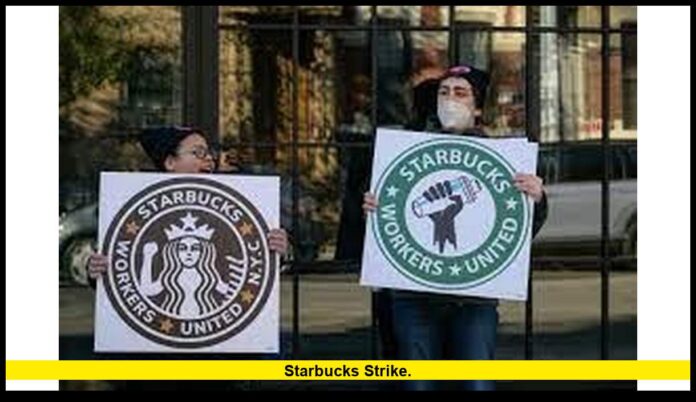
The starbucks strike is gaining national attention as unionized baristas across the United States continue walking out of stores in protest of stalled contract negotiations, inadequate staffing, inconsistent scheduling, and ongoing workplace concerns. The strike began with a coordinated action across dozens of stores and has expanded into one of the largest demonstrations yet by Starbucks Workers United, the union representing thousands of baristas nationwide. This movement reflects a broader push for improved workplace standards and is reshaping how Americans view labor conditions in the service industry.
Workers say the current walkout is not just another protest—it marks a critical escalation in their effort to secure their first legally binding contract. Many stores have unionized since 2021, but negotiations have dragged on for years, prompting intensified pressure on Starbucks leadership.
Why Workers Initiated the Strike
Union organizers and participating baristas cite several reasons for the growing strike movement:
- No finalized union contract despite years of negotiations
Hundreds of Starbucks stores have voted to unionize, yet workers say contract talks have repeatedly stalled or lacked meaningful progress. - Staffing shortages during peak customer hours
Many baristas report being scheduled with too few coworkers to handle rushes, leading to burnout and customer frustration. - Inconsistency in scheduling hours
Some employees say reduced hours prevent them from qualifying for key benefits, including health coverage and tuition programs. - Concerns about store safety
In certain locations, workers claim safety issues—ranging from understaffed late shifts to customer incidents—haven’t been addressed adequately. - Wage concerns relative to rising living costs
Even in cities with a higher cost of living, many baristas argue that current wages do not reflect inflation or local economic realities.
Workers say these combined issues created a breaking point, motivating them to take collective action to demand change. Many participating stores organized picket lines with signs, chants, and coordinated social media coverage to raise public visibility.
Starbucks’ Position and Response
Starbucks leadership has maintained that the company provides some of the strongest benefits in the coffee industry, including competitive hourly pay, health insurance options, and educational programs. The company states that it continues to support open dialogue with employees and remains willing to pursue productive negotiations.
However, Starbucks has also emphasized that only a small percentage of stores are unionized, and the walkouts represent a fraction of their national footprint. Company officials say most stores remain open and that disruptions have been limited, though union organizers dispute this claim, saying the impact is larger than Starbucks acknowledges.
The company’s public statements affirm its intention to continue negotiating, but employees argue that meaningful progress requires stronger commitments and clearer timelines.
How the Strike Has Expanded
What began as a single-day walkout has expanded into a larger, more sustained action. Several factors have contributed to this growth:
1. Coordinated organizing across multiple cities
Union leadership has encouraged participating stores from coast to coast to join the strike on the same days to maximize visibility and impact.
2. Strategic timing tied to high-traffic promotional periods
Workers have intentionally organized walkouts during major Starbucks promotional days that bring heavy customer traffic. These moments amplify public attention and increase leverage in negotiations.
3. Growing solidarity among stores
Unionized stores that did not participate in earlier actions have joined recent strikes, signaling stronger nationwide cohesion.
4. Online visibility and public support
Social media posts, viral videos, and public demonstrations have helped the movement reach customers, lawmakers, and the broader labor community.
What Workers Want in Their First Contract
Union baristas have outlined several key priorities for their proposed contract:
- Predictable and fair scheduling practices
- Guaranteed minimum hours for employees who want them
- Transparent and standardized wage increases
- Improved safety protocols and store staffing plans
- Clear policies regarding discipline, training, and advancement
- Stronger protections against retaliation for union activity
Workers emphasize that “dignity, safety, and consistency” are at the core of their demands. Many unionized employees say that they love their jobs and their customers but feel that the company must address structural workplace concerns to maintain long-term satisfaction and retention.
How the Strike Affects Customers
As the strike continues, customers in selected cities have experienced:
- Longer wait times
- Temporary store closures
- Reduced store hours
- Limited drink and food availability
Some supporters have joined picket lines or chosen to skip Starbucks during strike days. Others continue to purchase from unaffected stores, though many are beginning to follow the ongoing developments more closely.
Community responses vary. In some cities, local residents have brought food, signs, and encouragement to striking workers. In others, customers have expressed frustration with reduced staffing or delayed service, though many still sympathize with worker concerns.
Wider Implications for the U.S. Labor Movement
The starbucks strike has become one of the most visible symbols of a larger shift in American labor culture. Across industries—from hospitality to healthcare to retail—workers are demanding stronger protections and more consistent standards that reflect modern economic realities.
The Starbucks movement is particularly noteworthy because:
- It involves one of the most recognizable global brands.
- It demonstrates unionization momentum in an industry historically difficult to organize.
- It highlights generational shifts, as many young workers become more active in labor rights.
- It underscores growing national attention toward corporate accountability.
Labor experts say that what happens at Starbucks could influence union efforts at other major food and retail chains. If baristas secure a contract, it could create precedent and strengthen worker confidence across the service sector.
What Comes Next
Over the coming weeks, several developments will determine the future direction of the strike:
- Whether Starbucks leadership and union representatives return to the bargaining table
- How many additional stores join walkouts
- Whether customer sentiment shifts significantly
- How long the strike continues before either side makes concessions
- The broader economic impact during Starbucks’ critical holiday season
For now, both sides appear determined, and the dispute shows no signs of immediate resolution. Workers say they are prepared to continue striking until they see real progress, while the company insists it remains committed to dialogue but cannot accept proposals it views as unrealistic.
As the strike evolves, it remains a defining moment for Starbucks workers and a powerful example of modern labor activism in the United States. If you’ve been following this story, feel free to share your thoughts or perspectives below—your voice helps continue the conversation.

