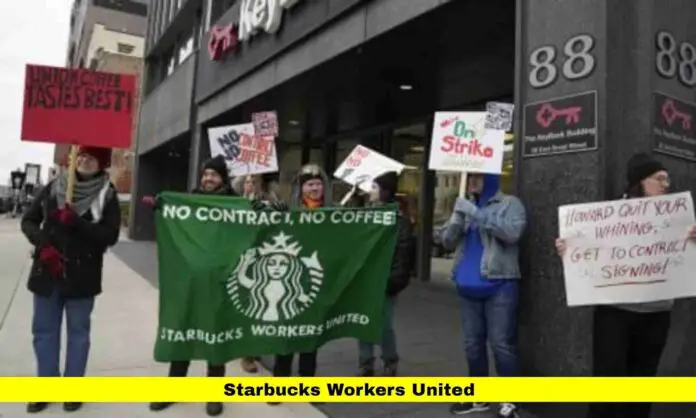
The push by Starbucks Workers United has reached a decisive turning point as thousands of baristas across the United States launched a nationwide strike coinciding with the company’s high-profile Red Cup Day. This coordinated action, which spanned more than 65 stores, underscores the growing frustration among unionized employees who claim Starbucks has stalled collective bargaining negotiations and ignored calls for improved working conditions.
Table of Contents
Key Points Summary
☕ Over 1,000 baristas across 65 stores joined the strike, demanding fair contracts and better working conditions.
📅 The strike coincided with Starbucks’ “Red Cup Day,” one of its busiest promotional events.
💬 Workers allege the company is delaying contract talks despite over 650 unionized stores nationwide.
💵 Starbucks says its pay and benefits remain among the best in the retail sector and claims minimal business disruption.
🔥 The dispute could reshape labor dynamics across the American service industry.
Why Starbucks Workers United Took Action
The strike represents the latest and most visible escalation in the three-year organizing campaign that began in Buffalo, New York. Workers say that although hundreds of stores have voted to unionize, Starbucks has yet to negotiate a comprehensive contract that ensures fair wages, predictable scheduling, and better workplace safety.
Union organizers explained that after years of filing unfair labor practice complaints, they had “no choice” but to strike during one of Starbucks’ most profitable days of the year. They believe this timing will pressure the corporation to return to the bargaining table in good faith and deliver meaningful reforms.
Scale and Scope of the Strike
The strike’s scale demonstrates how widespread the labor movement has become within the coffee giant. Workers in major cities such as Seattle, Chicago, New York City, Los Angeles, Philadelphia, and Denver took to the picket lines. Many stores displayed signs reading “No Contract, No Coffee,” while customers expressed solidarity online through hashtags like #RedCupRebellion and #StarbucksStrike.
Union leaders have indicated that this strike is only the beginning. They plan to expand efforts to hundreds more stores unless progress is made on key issues. Many participants also cited ongoing frustration over what they described as anti-union tactics and a lack of genuine dialogue from Starbucks’ management.
Starbucks’ Official Response
Starbucks maintains that the vast majority of its stores continue to operate normally and that the company remains open to bargaining. A corporate spokesperson stated that Starbucks “respects the right of partners to organize” and that it has already offered competitive pay, benefits, and working conditions that surpass industry averages.
The company also emphasized that less than 1% of its 17,000 U.S. stores were impacted by the walkout. Still, analysts note that the optics of the strike on such a visible retail day could impact public perception and investor confidence, especially as Starbucks approaches its peak holiday season.
Demands of Starbucks Workers United
Union members are calling for a fair national contract that addresses core workplace issues. Their demands include:
- Fair Pay Increases: Wage adjustments that reflect inflation and the rising cost of living.
- Guaranteed Staffing Levels: Adequate barista coverage to prevent burnout during peak hours.
- Stable Scheduling: Predictable shifts that allow workers to plan their personal lives.
- Improved Safety Policies: Better protections for employees facing customer aggression or unsafe environments.
- Union Recognition: A commitment from Starbucks to honor store-level union votes and negotiate fairly.
Baristas say that without these provisions, their day-to-day working conditions remain unpredictable and unsustainable.
The History Behind Starbucks Workers United
The Starbucks Workers United movement began in 2021 when a small group of baristas in Buffalo, New York, successfully voted to unionize. Their victory sparked a wave of labor activity that spread across the country. Since then, over 650 stores have joined the movement, representing thousands of employees.
Despite these gains, progress toward a company-wide contract has been slow. The union has filed hundreds of unfair labor practice cases, alleging that Starbucks has retaliated against organizers through scheduling changes, reduced hours, or store closures. Starbucks has denied those allegations, maintaining that it operates within federal labor law.
Public Support and Customer Reactions
Customer reaction to the strike has been largely supportive. Many loyal Starbucks patrons have pledged to avoid stores participating in Red Cup Day promotions as a show of solidarity. Social media platforms have been flooded with supportive posts, with phrases like “Solidarity with Starbucks Workers” trending across X (formerly Twitter) and TikTok.
Some customers, however, expressed frustration over store closures and delayed orders, while others were unaware of the strike until arriving at affected locations. This mixed reaction illustrates the challenge of sustaining consumer engagement during labor disputes.
Broader Impact on Labor Movements
The Starbucks Workers United campaign has become a symbol of the broader labor revival sweeping across the United States. It parallels unionization drives at major corporations such as Amazon, Apple, and Trader Joe’s. These movements signal a cultural shift among younger workers demanding fair pay, work-life balance, and corporate accountability.
Labor experts say the Starbucks strike could inspire similar action across retail and hospitality industries. If the union secures a strong contract, it might embolden workers elsewhere to pursue collective bargaining as a means to achieve systemic change.
Challenges Ahead for Both Sides
While the strike captured national attention, both Starbucks and the union face challenges moving forward. Starbucks must protect its brand image and maintain operational stability during a crucial retail period. Prolonged labor unrest could affect sales, employee morale, and customer loyalty.
For the union, sustaining momentum requires coordination, funding, and continued public support. Extended strikes can strain workers financially and emotionally. Achieving a first contract will test the union’s endurance and organizational strength.
The Role of Younger Workers
A significant aspect of the Starbucks Workers United movement is its demographic makeup. Many union supporters are young, college-educated baristas who see organizing as part of a broader social justice mission. They emphasize that the movement is about respect, dignity, and a voice in corporate decisions — not just wages.
This generational aspect has helped the union attract attention from media outlets and advocacy groups. It also reflects changing workplace expectations among millennials and Gen Z employees who prioritize fairness, inclusion, and sustainability.
Political and Economic Context
The strike also unfolds against a complex political and economic backdrop. Rising inflation, corporate profits, and stagnant wage growth have fueled frustration across the workforce. Labor activity has surged in 2024–2025, from Hollywood writers and actors to auto workers and educators. Starbucks Workers United fits within this larger pattern of renewed labor activism.
Politicians sympathetic to labor causes have voiced support, with several lawmakers publicly praising the workers’ courage. Meanwhile, business associations warn that expanding unionization could drive up operational costs and reduce consumer affordability.
Potential Outcomes and Future Scenarios
There are three potential directions the situation could take:
- Comprehensive Settlement: Starbucks and the union agree on a contract, ending the strike and setting a precedent for other corporate negotiations.
- Stalemate: Negotiations drag on without resolution, leading to further strikes and possible federal mediation.
- Escalation: More stores unionize, public pressure mounts, and Starbucks faces broader operational and reputational consequences.
Experts say the company’s handling of this dispute could shape its labor relations strategy for decades.
A Shift in Corporate America
The Starbucks Workers United movement has forced corporate America to reconsider its approach to employee relations. Once seen as a model employer for offering college tuition and health benefits, Starbucks now faces accusations of union-busting and inequitable labor practices. The outcome of this dispute could redefine how multinational corporations engage with their frontline workers.
Conclusion
The strike organized by Starbucks Workers United marks a pivotal moment in the U.S. labor landscape. It is not merely a conflict over paychecks — it is a test of how corporations, workers, and consumers interact in an era demanding fairness and accountability. Whether this movement ends in compromise or confrontation, one thing is certain: it has reshaped the conversation about power and purpose in the modern workplace.
If you’ve witnessed the strike or have thoughts about how it could affect your local store, share your views below — your perspective matters in shaping the dialogue around this historic labor movement.

