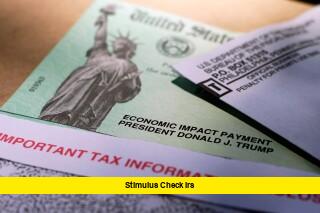
The phrase stimulus check IRS is at the center of fresh questions this week as officials and fact-checkers push back on viral claims of broad new payments. There are no new, government-authorized universal stimulus checks scheduled for late 2025; the Internal Revenue Service has not announced a mass direct-deposit program that would put new relief payments into Americans’ bank accounts.
What the IRS is actually doing now
- The IRS is distributing limited, automatic pandemic-era “recovery rebate” payments to a small group of taxpayers who missed prior payments. These one-time payments (up to $1,400 in some cases) are targeted and do not represent a new nationwide stimulus program.
- The agency has announced administrative changes to payment methods: paper refund checks are being phased out beginning Sept. 30 2025, with a push toward electronic delivery when permitted by law.
Why rumors about new checks keep resurfacing
Online posts and headlines have repeatedly claimed imminent $1,390 or $2,000 “stimulus” deposits. Those viral items are not backed by Treasury or IRS announcements, and multiple local and national news outlets have flagged them as misleading. Scammers and phishing campaigns often piggyback on such rumors, sending fake emails and texts that try to harvest personal or banking data. Taxpayers should be especially wary.
Recent proposals and political talk vs. reality
Some political figures have floated plans—such as proposals to use tariff revenue for one-time dividends—but a proposal or political promise is not the same as enacted law. No legislation has passed Congress authorizing a new, universal payment, and the Treasury/IRS have not validated any timetable for mass deposits tied to those proposals. Until Congress acts and the Treasury implements a payment program, claims of immediate $2,000 or similar payments are speculative.
How to tell the difference: quick checklist
- Official source check: Look for announcements on IRS.gov or Treasury.gov. The IRS posts newsroom releases for authorized payments.
- Unsolicited messages: The IRS does not notify taxpayers by text message about unexpected stimulus deposits. Beware links asking for SSNs or bank routing numbers.
- Targeted payments vs. universal relief: Limited automatic payments tied to earlier pandemic credits are being made to specific taxpayers, but that is not the same as a new broad stimulus program.
If you think you’re owed a past stimulus payment
- Check your IRS Online Account for records of economic impact payments and any “Recovery Rebate Credit” owed. The IRS added features that let taxpayers see prior payment totals and whether they’re eligible for late credits.
- If you didn’t receive a COVID-era payment and believe you were eligible, you may have been able to claim a Recovery Rebate Credit on your 2020 or 2021 return. Some late automatic distributions have addressed these missed claims; others still require filing.
Delivery and timing: what to expect if you are eligible for a payment
- For any official IRS payment, the agency will communicate through formal channels and update IRS.gov. Expect a letter in the mail for any automatic distribution.
- Because the IRS is phasing out paper checks where possible, eligible recipients should make sure their IRS online account or most recent tax return has current bank details for potential direct deposit. But note: no broad new deposits are scheduled at this time.
Scams and how to protect yourself
- Ignore texts, emails, or social posts claiming the IRS will deposit money immediately and asking you to click a link or provide private information. The IRS will not initiate contact about unexpected stimulus payments through those channels.
- Report suspicious messages to the Treasury Inspector General for Tax Administration and the IRS phishing page. Keep personal information (SSN, bank account numbers) private unless you are on secure, verified IRS portals.
Bottom line for U.S. taxpayers
The central, verifiable fact today is simple: there is no government-authorized, nationwide stimulus check program being distributed by the IRS in late 2025. Targeted automatic payments tied to earlier pandemic credits are being made to specific taxpayers, and administrative changes (like phasing out paper checks) affect delivery methods. Any claim of an immediate, mass deposit should be treated as unverified or false until the Treasury and IRS publish official guidance.
Quick reference — key facts
- No new universal stimulus checks authorized for late 2025.
- IRS is automatically issuing some payments to taxpayers who previously missed the 2021 “Recovery Rebate Credit”.
- Paper federal refund checks are being phased out starting Sept. 30 2025.
- Watch for scams; the IRS will not ask for bank details via unsolicited texts or emails.
Final note
If you want to confirm whether you personally are scheduled to receive any IRS payment, log into your official IRS Online Account and review the Tax Records page for payment history.
Share your thoughts below or check back for any official IRS updates — we’ll keep this page current.

