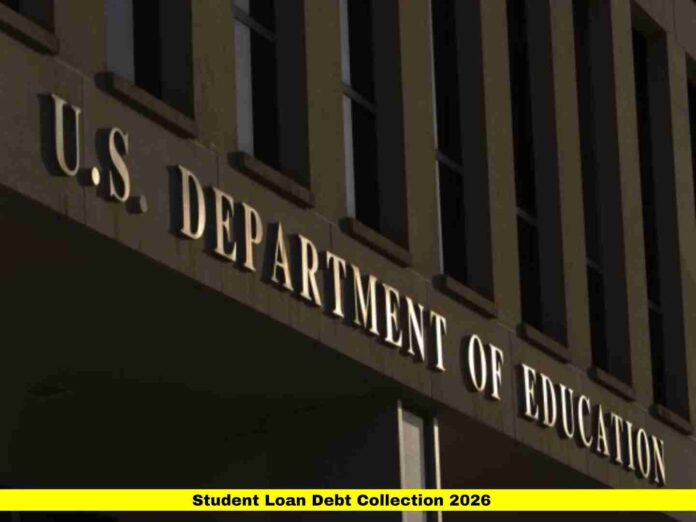
Student loan debt collection 2026 is a critical issue for U.S. borrowers as federal enforcement remains fully active heading into the year. As of today, federal student loan collections are in effect following the end of pandemic-era protections and the conclusion of the temporary repayment transition period. Borrowers who are delinquent or in default face standard collection actions unless they take verified steps to resolve their accounts.
This article provides a complete, factual, and current explanation of how student loan debt collection will operate in 2026, what has already resumed, and what borrowers should realistically expect based on confirmed federal policy.
Table of Contents
Current Status of Federal Student Loan Collections
Federal student loan collections are no longer paused. The temporary relief measures that shielded borrowers during and after the pandemic have expired, and enforcement tools are active again. This includes accounts that entered default before the payment pause as well as borrowers who failed to resume payments after billing restarted.
By the time 2026 arrives, collections will reflect normal federal procedures, not emergency policies. There is no confirmed extension of broad protections into 2026.
Why Student Loan Collections Matter in 2026
Student loan debt remains one of the largest forms of consumer debt in the United States. Millions of borrowers carry balances that entered delinquency or default during the multi-year pause. As collections normalize, 2026 becomes a year of full accountability under long-standing federal rules.
The focus in 2026 is enforcement paired with structured repayment options, not mass forgiveness or blanket relief.
What “Debt Collection” Means for Federal Student Loans
Debt collection applies primarily to defaulted federal student loans, not loans that are current or enrolled in approved repayment plans. A loan typically enters default after extended nonpayment.
Once in default, the federal government can pursue repayment using legally authorized methods. These tools are automatic unless the borrower takes action.
Collection Tools That Remain Active in 2026
Federal student loan collection methods available in 2026 include:
- Wage garnishment without a court order
- Federal tax refund offsets
- Reduction of Social Security benefits
- Referral to private collection agencies
- Negative credit reporting
These tools are not new. They represent standard enforcement authority that existed before the pandemic pause.
Wage Garnishment in 2026
Wage garnishment allows the government to take a portion of a borrower’s disposable income directly from paychecks. This process does not require a lawsuit.
In 2026, garnishment continues for borrowers in default who have not entered rehabilitation or repayment programs. Employers must comply once notified.
Tax Refund Offsets Remain in Place
Borrowers in default can have federal tax refunds withheld to cover unpaid student loan balances. This process also applies to certain federal benefits.
For 2026, tax refund offsets remain an active and commonly used collection method.
Impact on Credit Scores
Defaulted student loans are reported to credit bureaus. This damages credit scores and affects access to housing, vehicles, and financing.
Credit reporting continues in 2026 for borrowers who remain in default status.
Private Student Loans Are Different
Private student loan collections follow state law and contract terms, not federal rules. These lenders must typically sue borrowers before garnishing wages.
The focus of 2026 collection policy applies primarily to federal student loans, not private debt.
The Role of the U.S. Department of Education
The U.S. Department of Education oversees federal student loan programs and authorizes collection actions. While private agencies may assist with recovery, the authority remains federal.
In 2026, the department continues to emphasize repayment pathways while maintaining enforcement authority.
Borrower Protections That Still Exist
Even with collections active, borrowers retain rights. These include:
- Notice before garnishment
- The ability to dispute errors
- Access to rehabilitation programs
- Eligibility for income-driven repayment
Collections are not meant to be punitive without options for resolution.
Loan Rehabilitation as a Way Out of Collection
Loan rehabilitation allows borrowers to exit default by making a series of on-time payments. Once completed, default status is removed.
This option remains available in 2026 and stops active collection once enrolled.
Income-Driven Repayment and Default Prevention
Borrowers who enroll in income-driven repayment plans before default can avoid collections entirely. Payments are based on income and household size.
For 2026, these plans remain a primary strategy to prevent collection activity.
What Happens If Borrowers Do Nothing
Borrowers who ignore notices and remain in default will continue to face enforcement. Collections proceed automatically once authorized.
Inaction is the primary reason borrowers experience garnishment or offsets.
Why 2026 Is Not a “Restart” Year
Collections resumed before 2026. The year does not introduce a new policy shift but reflects continuation of existing enforcement.
Any assumption that 2026 brings a reset or new pause is inaccurate based on confirmed federal action.
Student Loan Debt Levels Entering 2026
Total federal student loan debt remains above one trillion dollars. A significant portion is held by borrowers who experienced repayment disruptions.
Collections in 2026 aim to address long-standing balances, not new borrowing alone.
Borrowers Most Affected by Collections
Borrowers most at risk include those who:
- Did not resume payments after billing restarted
- Were already in default before 2020
- Ignored repayment outreach
- Are not enrolled in relief programs
These groups face the highest likelihood of collection actions.
How Collection Agencies Are Used
Private collection agencies may contact borrowers on behalf of the government. These agencies must follow federal consumer protection rules.
Their role in 2026 remains administrative, not independent enforcement.
Myths About Student Loan Collection in 2026
Several misconceptions continue to circulate:
- Collections are not paused in 2026
- Default does not disappear automatically
- Forgiveness is not universal
- Garnishment does not require court approval
Understanding facts helps borrowers avoid costly mistakes.
Steps Borrowers Can Take Now
Borrowers concerned about 2026 collections can:
- Check loan status
- Enroll in repayment plans
- Apply for rehabilitation if in default
- Respond to official notices promptly
Early action prevents enforcement.
Why Accurate Information Matters
Misinformation has led many borrowers to assume protections still apply. In 2026, this assumption can result in financial harm.
Clear understanding supports better decision-making.
Key Takeaways on Student Loan Debt Collection 2026
Collections are active and authorized. Enforcement tools remain available. Relief options exist but require borrower action.
Ignoring the issue increases consequences.
Final Outlook for Borrowers
Student loan debt collection in 2026 reflects a return to standard federal practice, not a temporary policy shift. Borrowers who engage with repayment options can avoid most enforcement actions. Those who do not may face automatic collection measures.
How are you preparing for repayment or collection issues in the coming year? Share your experience or stay informed as student loan policies continue to evolve.

