The student loans save plan underwent a major change on December 9, 2025, when federal officials announced that the program will stop accepting new enrollments and begin transitioning millions of current users into other repayment options. This update marks one of the largest adjustments in federal student loan policy in recent years and affects millions of borrowers across the United States.
Officials confirmed that all pending applications will be denied and that existing borrowers in the plan will be moved into alternative repayment programs over the coming months. The change follows legal and administrative decisions that require the program to be phased out rather than expanded. With an estimated 7 to 7.7 million borrowers currently enrolled, the update has widespread financial implications for those relying on the program’s reduced payment structure and interest protections.
New enrollment shutdown
The decision includes an immediate stop to new applications. Borrowers who attempted to sign up before the announcement but whose applications were still processing will not be added to the plan. Current participants will receive official notices explaining when and how their repayment terms will shift into previously existing income-driven or standard repayment plans.
Key impacts for current participants
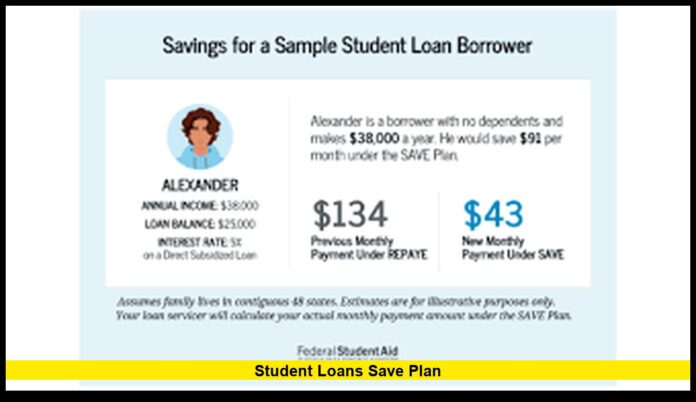
The SAVE plan became popular because it offered lower monthly payments for many borrowers, shielded unpaid interest from ballooning balances, and offered faster forgiveness options for qualifying users. As the program winds down, many of these benefits will not carry over into the older plans borrowers will now be transitioned into.
This shift may result in:
- Higher monthly payments for low- and moderate-income borrowers
- Longer repayment timelines in some cases
- Changes to how unpaid interest accrues
- Adjustments to forgiveness pathways
Borrowers who had previously relied on SAVE’s more flexible formulas may need to revisit their budgets and long-term repayment goals.
Recent operational steps already affecting accounts
Federal officials also confirmed that certain borrowers who remained in administrative forbearance under the plan began accruing interest again as of August 1, 2025. This change was part of a larger operational update separate from the settlement but has already affected loan balances for some users.
Numbers shaping the transition
- Estimated participants impacted: 7.0–7.7 million
- Official program change announcement: December 9, 2025
- Earlier interest policy adjustment affecting some accounts: August 1, 2025
Borrowers already enrolled will not lose their accounts immediately. Instead, they will be moved into other established repayment plans. Users are encouraged to monitor their loan dashboards closely for updates.
How monthly payments may change
The transition means many borrowers will be placed into older income-driven repayment plans or, in some cases, standard repayment schedules. These alternatives typically do not offer the same favorable calculations used by SAVE.
Common differences include:
- Lower income exclusions, which can raise required payments
- Fewer forgiveness categories
- Longer minimum repayment periods
- More aggressive interest accumulation
Many borrowers may see their monthly bills rise once the transition is complete.
Government guidance for borrowers
Officials are urging borrowers to:
- Log into their federal loan accounts to review messages and updates
- Use repayment comparison tools to identify the most budget-friendly option
- Stay aware of deadlines for selecting replacement plans
- Keep copies of all communications for record-keeping during the transition
Borrowers pursuing Public Service Loan Forgiveness or long-term income-driven forgiveness should review their payment counts to ensure accuracy once their accounts are moved.
Why the plan is ending
The shift follows a legal agreement requiring the federal government to stop enrolling borrowers and to move current participants out of the program. The agreement also places limits on future large-scale policy changes without prior notice to certain state officials. Though the settlement is pending court review, federal agencies have begun issuing operational instructions in preparation for the transition.
What borrowers should do now
This is a pivotal moment for borrowers who relied on SAVE’s lower payment formulas. Those affected should take the following steps:
- Check loan accounts weekly for transition notices
- Compare repayment plans before being automatically reassigned
- Contact loan servicers to clarify how changes affect payment counts
- Review long-term repayment strategies, especially for those expecting forgiveness
Being proactive will help borrowers maintain accurate records and avoid surprises once the new repayment structure begins.
Looking ahead
The next important milestones include court approval of the settlement, detailed implementation timelines, and formal guidance from federal agencies on how and when each borrower will be transitioned. Further policy developments may emerge as lawmakers and advocacy organizations respond to the shift.
As one of the most significant federal student loan changes in years, the end of the SAVE plan will continue to impact millions. Borrowers should stay alert to official updates and prepare for adjustments to their monthly payments and long-term repayment expectations.
Share your experience below and let others know how these changes are affecting you.

