
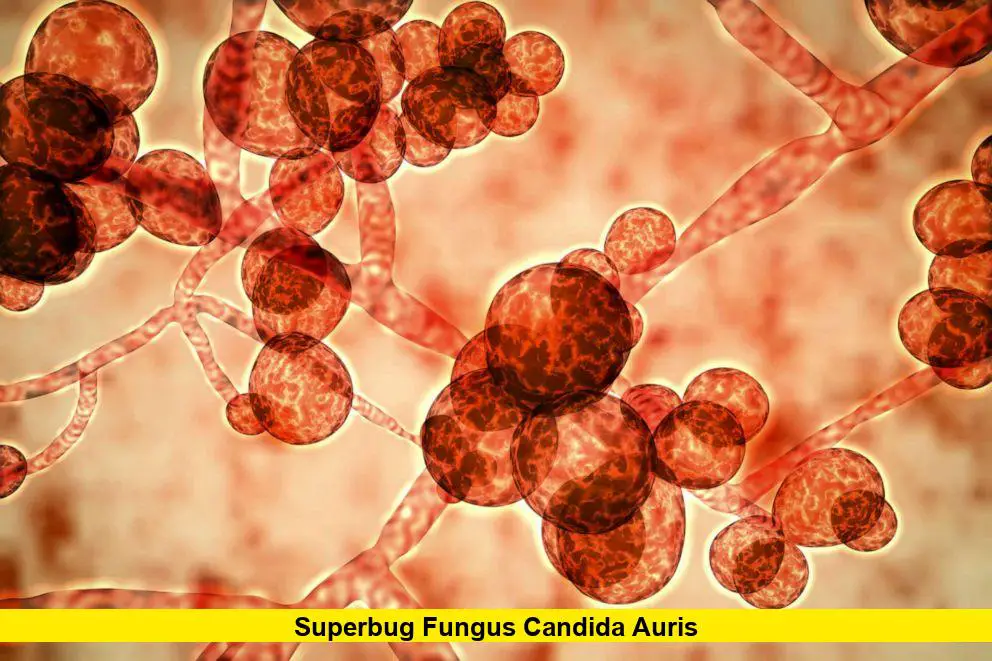
Superbug fungus Candida auris has emerged as one of the most urgent infectious disease threats facing the United States healthcare system today. Once rarely detected, this dangerous, drug-resistant fungus is now firmly established across multiple states, with confirmed cases reported in hospitals, nursing homes, and long-term care facilities. Health officials are responding with heightened surveillance and stricter infection-control measures as the organism continues to spread among the most vulnerable populations.
Unlike common fungal infections, Candida auris is exceptionally difficult to treat, hard to identify with standard laboratory testing, and capable of surviving for long periods on medical equipment and surfaces. These traits make it a formidable challenge for healthcare providers and a growing concern for public health nationwide.
Table of Contents
What Makes Candida auris a Superbug
Candida auris is a type of yeast that can cause severe, invasive infections, particularly in people who are already ill. It earns the “superbug” label because many strains are resistant to multiple antifungal medications. Some cases show resistance to all major classes of antifungal drugs currently used in clinical care.
This resistance sharply limits treatment options. When standard therapies fail, infections can worsen quickly, especially in patients with weakened immune systems. Invasive Candida auris infections can enter the bloodstream, spread to vital organs, and become life-threatening despite aggressive medical intervention.
Another defining feature of Candida auris is its ability to colonize the skin without causing immediate symptoms. People may carry the fungus unknowingly, allowing it to spread silently within healthcare settings before detection.
Confirmed Spread Across the United States
As of today, Candida auris has been confirmed in dozens of U.S. states, with thousands of reported clinical and screening cases nationwide. The majority of cases have occurred in healthcare facilities, including hospitals, skilled nursing centers, and long-term acute care hospitals.
The rise in cases has been steady over recent years, signaling that the fungus is no longer an isolated or emerging issue but an entrenched healthcare-associated pathogen. Once introduced into a facility, it can persist for months if not aggressively controlled, leading to repeated exposures and ongoing transmission.
States with large healthcare networks and long-term care populations have reported especially high case counts, but public health authorities emphasize that no region is immune.
How Candida auris Spreads in Healthcare Settings
Candida auris spreads primarily through contact. It can contaminate bedrails, medical devices, door handles, and shared equipment. The fungus is unusually resilient, surviving routine cleaning and many common disinfectants.
Transmission often occurs through:
- Contact with contaminated surfaces
- Shared medical equipment
- Direct contact between patients
- Inadequate hand hygiene during care
Because the fungus can live on the skin, even patients without symptoms can contribute to its spread. This silent transmission is one of the reasons outbreaks can grow before being detected.
Standard laboratory methods sometimes misidentify Candida auris as other, less dangerous yeast species. This delay can allow the fungus to circulate undetected, increasing the risk of broader exposure.
Who Faces the Highest Risk
Candida auris does not pose the same risk to the general public as it does to hospitalized individuals. Most healthy people are unlikely to develop serious illness. The highest risk groups include:
- Patients in intensive care units
- Residents of nursing homes and long-term care facilities
- Individuals with central lines, catheters, or ventilators
- Patients with weakened immune systems
- People with long or repeated hospital stays
In these populations, infections can become severe quickly. Bloodstream infections caused by Candida auris have been associated with high mortality rates, particularly when diagnosis or treatment is delayed.
Symptoms Can Be Hard to Distinguish
Symptoms of invasive Candida auris infections are often similar to those caused by other serious infections. This makes early recognition challenging. Common symptoms include:
- Persistent fever that does not respond to antibiotics
- Chills
- Signs of sepsis, such as low blood pressure
- Pain, redness, or discharge around wounds or medical devices
Because these symptoms are not unique to fungal infections, clinicians often rely on specialized testing to confirm Candida auris. Without targeted screening, colonized patients may not be identified until an outbreak is already underway.
Why Drug Resistance Is a Major Concern
Most fungal infections respond well to antifungal medications. Candida auris is different. Many strains show resistance to first-line treatments, forcing clinicians to rely on limited or less effective alternatives.
In some cases, infections do not respond to treatment at all. This resistance increases the risk of prolonged illness, complications, and death. It also places added strain on healthcare systems by extending hospital stays and requiring more intensive care.
The rise of antifungal resistance mirrors trends seen with antibiotic-resistant bacteria, highlighting a broader challenge in infectious disease control.
Healthcare Response and Containment Efforts
Healthcare facilities across the country have implemented enhanced infection-control measures to slow the spread of Candida auris. These measures include:
- Screening high-risk patients upon admission
- Isolating or cohorting affected patients
- Using specialized disinfectants proven effective against the fungus
- Increasing environmental cleaning frequency
- Reinforcing strict hand hygiene protocols
Staff education plays a critical role in prevention. Facilities are emphasizing early detection, proper use of personal protective equipment, and rapid response when a case is identified.
Public health agencies are also improving surveillance to track cases more accurately and identify outbreaks earlier.
Challenges for Long-Term Care Facilities
Long-term care settings face unique challenges in controlling Candida auris. Residents often have chronic conditions, frequent medical interventions, and close contact with caregivers, all of which increase transmission risk.
Unlike acute-care hospitals, these facilities may have limited resources for advanced testing and isolation. Once Candida auris enters such a setting, it can be particularly difficult to eliminate.
As a result, infection prevention in long-term care environments has become a major focus of national containment efforts.
Why Candida auris Is Not a Community Threat
Despite alarming headlines, Candida auris is not spreading widely in the general community. It is not an airborne pathogen, and casual contact outside healthcare settings does not pose a significant risk.
Public health officials emphasize that the fungus is primarily a concern within medical environments. Routine daily activities do not increase the risk of infection for healthy individuals.
This distinction is important to prevent unnecessary fear while maintaining vigilance where it matters most.
The Path Forward
Candida auris represents a new phase in the fight against infectious diseases. Its ability to resist treatment, evade detection, and persist in healthcare environments underscores the need for continued investment in infection prevention, laboratory capacity, and antifungal research.
Efforts are ongoing to develop faster diagnostic tools and more effective treatments. In the meantime, strict infection-control practices remain the most powerful defense against further spread.
Candida auris is reshaping how healthcare systems approach fungal infections, and continued awareness is essential as this challenge evolves—share your thoughts or stay connected for future updates.