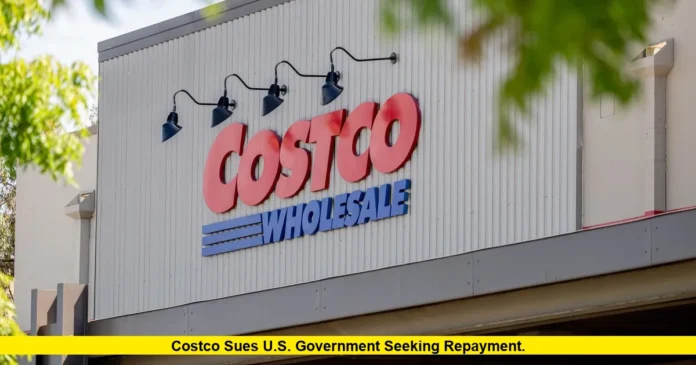
Retail giant Costco has launched a high-stakes legal challenge against the federal government, seeking a tariff refund as part of a broader fight over import duties that have reshaped costs for American businesses and consumers. The company’s action comes at a pivotal moment, with the Supreme Court reviewing the legality of tariffs imposed under emergency-powers authority and multiple importers racing to secure their rights before final government assessments take effect.
Table of Contents
Costco’s Lawsuit Marks a Turning Point
Costco filed its case in the U.S. Court of International Trade on November 28, seeking three major outcomes: a declaration that the tariffs are unlawful, a halt on future collections under the contested orders, and reimbursement for the duties it has already paid. The company argues that the government exceeded its authority by using an emergency-powers statute to impose broad tariffs that traditionally fall within congressional control.
Costco’s filing warns that, once tariff charges undergo “liquidation” beginning December 15, recovering payments later may become significantly more difficult. By suing in advance, the company is positioning itself to preserve its financial claims while the courts determine the legality of the tariff program.
Supreme Court Scrutiny Raises the Stakes
The legality of the tariff actions is now under review by the Supreme Court, which recently heard oral arguments that highlighted sharp debate around executive authority. Justices questioned the extent of presidential power under emergency law, signaling that the Court may be considering a narrower interpretation of that authority.
Lower courts have already found portions of the tariff actions unlawful, ruling that an emergency declaration cannot be used as a blanket tool for imposing global duties. Those earlier rulings have energized importers seeking relief, but they do not guarantee refunds, which is why companies like Costco are filing individual claims to protect their financial interests.
A Supreme Court ruling could reshape how future administrations approach trade policy, particularly when acting without direct congressional authorization.
Industry Implications Reach Far Beyond One Retailer
Costco’s move carries enormous weight because of the company’s size and the volume of goods it imports. Many smaller businesses have already filed lawsuits challenging the same tariffs, but Costco’s entry into the fight signals a shift in momentum. With one of the largest importers in the country now pressing for repayment, the potential financial implications for the government grow significantly.
Billions of dollars in tariff revenue may be at stake. If the courts ultimately rule in favor of importers, refund claims could surge, potentially creating a major fiscal impact. Retailers, manufacturers, and distributors across the country are watching closely, as the outcome could shape supply-chain planning, pricing strategies, and sourcing decisions.
Consumers are also indirectly affected. The tariffs have contributed to higher prices on goods ranging from electronics to household supplies. If the legal challenges succeed, companies could see substantial cost reductions that may eventually influence shelf prices.
What Happens Next in the Courts
The Supreme Court has not announced a timeline for its decision, but the ruling is expected to guide how lower courts and federal agencies handle refund requests. If the justices strike down the tariff actions, companies that preserved their claims through timely lawsuits—like Costco—would likely move quickly to seek repayment.
Meanwhile, the Court of International Trade will continue reviewing individual cases. The outcome may set precedent on how long importers have to challenge duties, whether liquidation deadlines restrict refund opportunities, and how agencies must respond when tariff programs are deemed unlawful.
For now, retailers and importers remain in a holding pattern, preparing for multiple possible outcomes. Some companies are accelerating their own filings to avoid losing refund eligibility. Others are analyzing how a potential rollback in tariffs could reshape long-term procurement strategies.
A Defining Moment for Trade, Law, and the Economy
The fight surrounding these tariffs is about more than business costs—it may redefine the boundaries of presidential authority in economic policy. It also underscores how deeply global trade decisions affect American companies and households. Costco’s lawsuit represents one of the most significant challenges yet in this legal wave, and its outcome could influence trade rules for years to come.
As this unfolding legal battle accelerates, readers can share their thoughts below or check back soon for updates on the next major developments.

