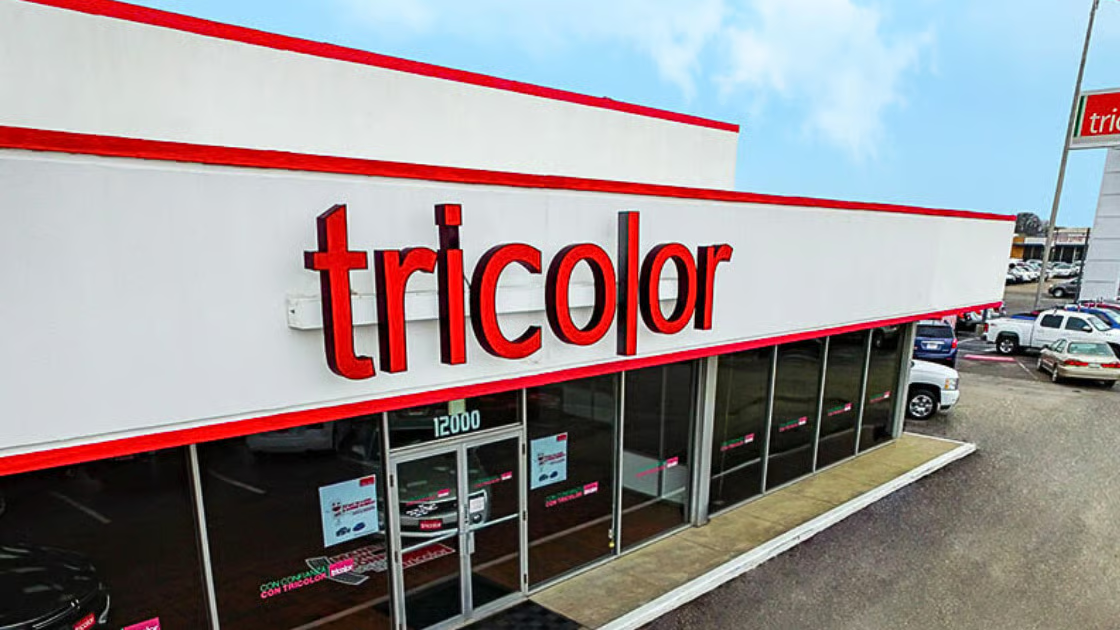
Tricolor Auto Group has officially filed for Chapter 7 bankruptcy, sending shockwaves across the subprime auto lending sector. The Texas-based company, which operated dozens of dealerships across multiple states, collapsed amid allegations of fraud and risky lending practices that left major banks, investors, and thousands of customers reeling. The sudden fall of Tricolor Auto Group has become one of the most high-profile failures in the auto finance industry in years.
Table of Contents
What Led to the Collapse
Tricolor Auto Group specialized in providing auto loans to buyers with limited or no credit history. The company built its brand on serving underserved communities, particularly Hispanic customers who often relied on Individual Taxpayer Identification Numbers (ITINs) instead of traditional Social Security numbers to obtain credit.
In recent months, however, growing concerns over the company’s lending practices came to light. Regulators and banking partners began investigating reports that the company may have pledged the same collateral across multiple loans. Questions also surfaced about inflated vehicle values, aggressive underwriting, and potential misrepresentations in loan securitizations.
These red flags quickly escalated, and by early September 2025, Tricolor Auto Group announced it was ceasing most operations and placing the majority of its workforce on leave. Only days later, the company filed for Chapter 7 liquidation in federal bankruptcy court.
The Bankruptcy Filing
On September 10, Tricolor Auto Group entered Chapter 7 proceedings, a move that confirmed liquidation rather than restructuring. The court filings revealed that the company’s assets and liabilities both ranged between $1 billion and $10 billion, with more than 25,000 creditors listed.
This scale of exposure has drawn national attention because of the ripple effects it may have across financial markets. Chapter 7 means the company will not reorganize but instead sell off assets, including dealerships, vehicles, and loan portfolios, to pay creditors as much as possible.
For employees, this filing also brought devastating news. Roughly 80 to 90 percent of the workforce had already been placed on temporary leave, and payroll systems were frozen. Corporate emails were disabled, leaving thousands uncertain about their future.
Banks and Investors Hit Hard
Some of the largest banks in the United States have revealed significant losses tied to Tricolor Auto Group. Fifth Third Bank has already disclosed an impairment charge between $170 million and $200 million after it alleged fraudulent activity connected to a major loan facility. Other institutions, including JPMorgan and Barclays, also face exposure through loans or securitized products backed by Tricolor’s auto loans.
Regional banks have not been spared either. Origin Bank reported more than $30 million in outstanding commitments tied to Tricolor, while vehicle financing firms such as ACV Auctions disclosed potential losses linked to floor-plan loans secured by dealership inventory.
For institutional investors, the collapse raises concerns about auto loan-backed securities. Many of these loans were bundled and sold on secondary markets, meaning pension funds and investment firms may now be facing unexpected risks.
The Impact on Customers
Beyond banks and investors, the collapse of Tricolor Auto Group also leaves tens of thousands of customers uncertain about their auto loans. Many borrowers are still making payments on vehicles financed by the company. With Tricolor now in liquidation, questions remain over who will service these loans, whether repossessions could increase, and how customer accounts will be handled in the coming months.
For many buyers who turned to Tricolor as one of the few financing options available, this development could mean stricter lending conditions in the future. Other subprime lenders may tighten standards, raise interest rates, or pull back entirely from higher-risk borrowers.
Legal and Regulatory Fallout
The Department of Justice has opened an investigation into Tricolor Auto Group’s practices, focusing on potential fraud in its lending and securitization activities. Allegations that the company pledged the same collateral multiple times are at the center of the probe.
State regulators are also expected to weigh in, particularly in Texas, California, and Arizona, where Tricolor operated a large number of its dealerships. Civil lawsuits from investors, creditors, and even customers are likely to follow as more details emerge about the scale of misconduct.
Industry-Wide Concerns
The downfall of Tricolor Auto Group highlights broader vulnerabilities in the subprime auto lending market. In recent years, rising vehicle prices, high interest rates, and growing consumer debt have placed increasing pressure on lenders.
Tricolor’s collapse has raised the possibility that other lenders could face greater scrutiny from regulators and financial institutions. If banks and investors grow wary of funding subprime loans, access to credit could shrink for millions of Americans who rely on this financing channel.
For automakers and dealerships, that could mean fewer sales in an already cooling market. For consumers, it may mean stricter approvals and higher costs.
What Happens Next
The bankruptcy process will now determine how much creditors can recover from Tricolor’s remaining assets. Dealership properties, loan portfolios, and unsold vehicles will likely be liquidated in coming months. However, with so many creditors and allegations of fraud involved, recovery rates may be low.
Key questions to watch include:
- Whether the Justice Department pursues criminal charges against executives.
- How much major banks will ultimately lose from their exposure.
- The fate of Tricolor’s existing auto loan contracts.
- The ripple effects on subprime lending across the U.S.
Conclusion
The collapse of Tricolor Auto Group marks a dramatic turning point in the subprime auto lending market. What was once seen as a company providing opportunities to underserved buyers has now become a cautionary tale of risky lending, alleged fraud, and financial fallout on a massive scale.
As the bankruptcy process unfolds, the story will continue to shape conversations about lending practices, financial regulation, and consumer protection. For now, one thing is clear: the Tricolor Auto Group failure will leave a lasting mark on both Wall Street and Main Street.
If you’ve been affected by the Tricolor Auto Group bankruptcy, or if you have thoughts about what it means for the future of auto financing, share your perspective in the comments below.

