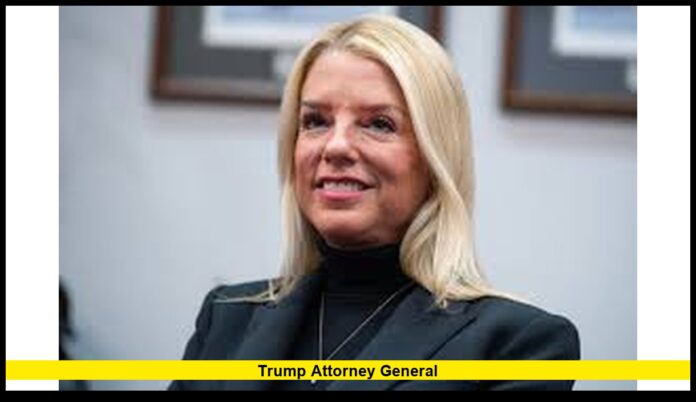
Trump attorney general remains a major topic in American political discussions as legal decisions and leadership at the U.S. Department of Justice continue to draw national attention. During Donald Trump’s presidency from 2017 to 2021, several individuals served as Attorney General of the United States, shaping federal law enforcement policies and influencing major investigations. Interest in this role continues today because many of the legal and political issues tied to Trump’s administration remain active in public debate.
The position of attorney general is one of the most powerful roles in the federal government. The attorney general leads the Department of Justice and oversees federal prosecutors, major investigations, and legal policies that affect the entire country.
Understanding the figures who served in this role during the Trump administration helps explain many of the legal and political developments that continue to influence U.S. law and governance.
Table of Contents
What the U.S. Attorney General Does
The Attorney General of the United States heads the Department of Justice, which enforces federal law and represents the government in legal matters.
Key responsibilities include:
- Supervising federal prosecutors across the country
- Overseeing federal law enforcement agencies
- Providing legal advice to the president and executive branch
- Representing the United States in Supreme Court cases
- Guiding national law enforcement priorities
The Department of Justice manages several major agencies, including:
- Federal Bureau of Investigation (FBI)
- Drug Enforcement Administration (DEA)
- Bureau of Alcohol, Tobacco, Firearms and Explosives (ATF)
- U.S. Marshals Service
Because of these responsibilities, the attorney general holds significant influence over the American legal system.
Who Served as Attorney General Under Donald Trump
During Donald Trump’s presidency, four individuals served in the role of attorney general.
Each led the Department of Justice during different periods between 2017 and early 2021.
| Attorney General | Time in Role |
|---|---|
| Jeff Sessions | February 2017 – November 2018 |
| Matthew Whitaker (Acting) | November 2018 – February 2019 |
| William Barr | February 2019 – December 2020 |
| Jeffrey Rosen (Acting) | December 2020 – January 2021 |
These leaders oversaw major legal events during Trump’s presidency, including investigations, policy changes, and legal disputes involving federal authority.
Jeff Sessions: The First Trump Attorney General
Jeff Sessions became the first Trump attorney general after the Senate confirmed him in February 2017.
Sessions previously served as a U.S. senator from Alabama. Before entering the Senate, he worked as a federal prosecutor and Alabama attorney general.
During his time leading the Department of Justice, Sessions focused on several priorities:
- Increasing federal immigration enforcement
- Expanding prosecutions of violent crime
- Revising federal policies related to drug offenses
However, his tenure became politically controversial because of his decision to recuse himself from the federal investigation into Russian interference in the 2016 election.
The recusal transferred oversight of that investigation to Deputy Attorney General Rod Rosenstein.
Trump repeatedly criticized Sessions publicly over the decision.
Sessions resigned in November 2018 at the president’s request.
Matthew Whitaker: Acting Attorney General
After Sessions left the position, Matthew Whitaker became acting attorney general.
Whitaker previously served as chief of staff to Sessions at the Department of Justice.
Because he had not undergone Senate confirmation for the attorney general role, his appointment as acting leader of the department generated political debate.
Whitaker served in the position from November 2018 until February 2019.
His tenure lasted only a few months before the confirmation of a permanent replacement.
William Barr’s Leadership of the Department of Justice
William Barr became attorney general in February 2019 after Senate confirmation.
Barr previously served as U.S. attorney general during the administration of President George H. W. Bush from 1991 to 1993.
His return to the position made him one of the few individuals in U.S. history to serve two separate terms as attorney general under different presidents.
Barr’s time leading the Department of Justice included several major developments:
- Oversight of the final stages of the Russia investigation
- Review of federal law enforcement practices
- Legal battles involving executive authority
During his tenure, Barr frequently addressed high-profile legal matters that attracted national attention.
The Mueller Investigation and DOJ Oversight
One of the most significant legal matters during Barr’s leadership involved the special counsel investigation led by Robert Mueller.
The investigation examined Russian interference in the 2016 U.S. presidential election.
After Mueller completed his investigation in 2019, Barr oversaw the release of the report to Congress and the public.
The report described numerous contacts between Russian actors and individuals connected to the Trump campaign.
However, the investigation did not charge Trump with criminal conspiracy related to the election interference.
The handling of the report became a major topic of political discussion across the United States.
Barr’s Resignation in December 2020
William Barr remained attorney general until December 2020.
His resignation followed disagreements with President Trump over claims about election fraud in the 2020 presidential election.
Barr publicly stated that the Department of Justice had not found evidence of widespread voter fraud that would change the outcome of the election.
After Barr stepped down, Deputy Attorney General Jeffrey Rosen became acting attorney general.
Jeffrey Rosen as Acting Attorney General
Jeffrey Rosen served as acting attorney general from December 2020 until the end of Trump’s presidency in January 2021.
Before taking the role, Rosen worked as deputy attorney general.
His leadership occurred during a tense period in American politics following the 2020 election.
The Department of Justice continued overseeing federal law enforcement responsibilities during the transition between presidential administrations.
Why the Trump Attorney General Role Still Matters
The individuals who served as attorney general during Trump’s presidency continue to influence legal discussions today.
Several major investigations and legal decisions from that period remain part of ongoing national conversations.
Legal scholars and political analysts often examine how the Department of Justice operated during those years.
Topics frequently discussed include:
- The independence of federal prosecutors
- The relationship between the White House and the Justice Department
- The handling of politically sensitive investigations
Because the Department of Justice plays a central role in enforcing federal law, leadership decisions can have lasting effects.
The Attorney General’s Place in the U.S. Government
The attorney general serves as the chief law enforcement officer of the United States.
The position is part of the president’s Cabinet but carries unique responsibilities related to legal independence.
Attorneys general must balance two key duties:
- Advising the president on legal matters
- Ensuring federal laws are enforced fairly and impartially
This balance often becomes a central issue during politically sensitive investigations.
Throughout U.S. history, attorneys general have played critical roles during moments of national controversy.
How Attorneys General Are Confirmed
The process for selecting a U.S. attorney general involves several steps.
First, the president nominates a candidate.
Next, the Senate Judiciary Committee reviews the nomination through hearings and background checks.
Finally, the full Senate votes on whether to confirm the nominee.
Once confirmed, the attorney general leads the Department of Justice until the president replaces them or a new administration begins.
The Department of Justice Today
Although the Trump administration ended in January 2021, discussions about decisions made during that period continue in political and legal circles.
The Department of Justice remains responsible for enforcing federal laws and conducting investigations that affect the entire country.
Leadership of the department continues to shape national policy on issues such as criminal justice, civil rights, and federal law enforcement.
Because of the department’s broad authority, the role of attorney general remains one of the most closely watched positions in Washington.
A Role That Continues to Shape American Law
The history of the Trump attorney general position reflects the significant influence the Department of Justice holds within the U.S. government.
Leadership changes, legal decisions, and federal investigations during that period continue to shape discussions about law enforcement and executive authority.
Understanding the individuals who served in this role helps explain many of the legal and political developments that still affect the United States today.
What are your thoughts on the role of the attorney general during presidential administrations? Share your perspective and join the discussion.

