Byline: (Staff)
Date: November 28, 2025
President Donald J. Trump issued a Thanksgiving message this week that combined traditional holiday themes with sharply worded immigration proposals, drawing both praise and condemnation across the country. The statement included a formal presidential proclamation naming Nov. 27, 2025, as a National Day of Thanksgiving and was followed by a late-night social-media post that called for sweeping changes to U.S. immigration policy.
A presidential proclamation on Thanksgiving
On Nov. 25, 2025, the White House posted an official Thanksgiving proclamation in which the president urged Americans to gather with family, give thanks, and reflect on the nation’s history. The proclamation invoked past presidential proclamations and encouraged prayer and gratitude, formally designating Thursday, Nov. 27, 2025, as a National Day of Thanksgiving. The text reflects the ceremonial, traditional side of the holiday observance.
Late-night post shifts tone to immigration
Hours after the formal proclamation, the president used social-media channels to issue a late-night message sharply critical of current immigration practices. In that post he said he would “permanently pause migration from all third world countries” and urged a series of strict measures including ending some federal benefits to noncitizens and broad reviews of recent asylum approvals. Those comments immediately escalated the public debate and prompted statements from advocacy groups and officials warning about legal and humanitarian implications.
What the White House did on Thanksgiving
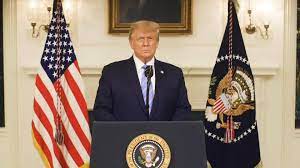
In addition to written statements, the White House conducted public events tied to the holiday. The president participated in recorded remarks and video calls with service members on Thanksgiving Day and took part in the ceremonial National Turkey Presentation. The White House’s public video releases show him speaking to troops and addressing the holiday’s themes, while also making policy points about the economy and immigration in live remarks.
Reaction from state and national leaders
The late-night immigration post prompted immediate reactions from state officials and federal lawmakers. Some state leaders publicly rebuked the language used in the post; others signaled support for tighter immigration controls. Officials on both sides of the aisle raised concerns about the legal feasibility of a sweeping “pause” and the humanitarian impact of abrupt policy reversals that would affect asylum seekers and recent arrivals.
Legal and administrative implications
Policy experts and immigration lawyers noted that a unilateral “permanent pause” on migration would confront multiple legal hurdles. Immigration and asylum law is governed by statutes and international commitments that involve several federal agencies and the courts. Any action to suspend processing for whole categories of nationalities or to revoke existing status would likely prompt litigation and require specific regulatory steps and explanations in administrative records. Federal agencies already routinely review vetting and asylum procedures after notable criminal incidents; what distinguishes the recent announcement is its broad scope and political framing.
Voices from communities directly mentioned
The president’s post singled out certain immigrant communities in discussing crime and integration challenges, which sparked sharp responses from community leaders and advocacy organizations. Local leaders in states cited by the president pushed back, emphasizing the contributions of immigrant communities and warning that blanket language risks stigmatizing entire groups. Civil-rights advocates emphasized the need for evidence-based policies rather than broad statements that can inflame tensions.
How federal agencies responded
Following the messages, federal agencies publicly noted they were reviewing processes and reaffirmed existing policies governing asylum and refugee admissions. Officials said routine reviews of vetting and enforcement were underway and that any formal regulatory changes would follow statutory procedures. Immigration advocacy groups said they would monitor agency moves closely and were prepared to challenge policies they view as unlawful.
What this means for the holiday and politics
Thanksgiving historically blends ceremonial remarks with political messaging, and this year was no different — but the contrast between the formal proclamation and the late-night policy post was striking. The president’s holiday remarks continued to highlight themes of gratitude and national history, while the subsequent post shifted the conversation to a contentious policy area at the center of national debate. Analysts say the mixed messaging will likely energize both critics and supporters ahead of policy fights in Congress and in court.
Public and media response
Media outlets and commentators reacted quickly, with coverage focusing on both the ceremonial aspects of the proclamation and the policy implications of the late-night post. The emphatic tone of the immigration language drew widespread attention on social platforms and cable news, prompting discussions about executive authority, public safety, and the social consequences of broad immigration measures.
What to watch next
Observers will be watching several things in the coming days: whether the administration follows up with formal regulatory proposals; how federal agencies interpret and implement any new directives; whether Congress responds with legislation or oversight; and whether courts see challenges to any abrupt policy changes. Community organizations and local governments will also be key actors, advocating for residents and tracking any administrative shifts that affect immigrant populations.