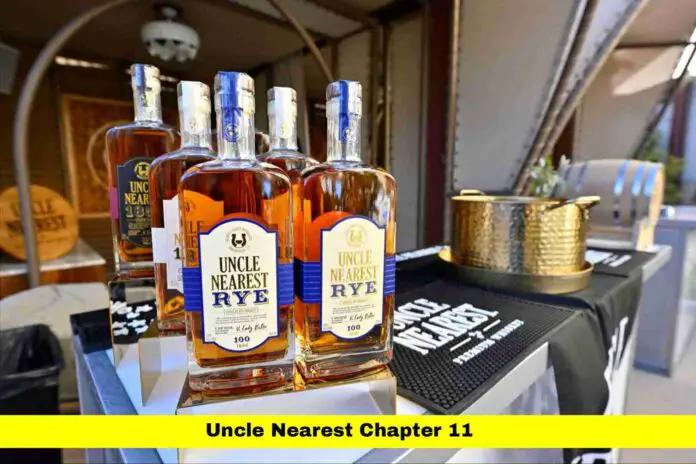
The whiskey industry has been shaken by reports surrounding Uncle Nearest Chapter 11, a situation that has raised concerns among investors, distributors, and fans of the premium whiskey brand. Once celebrated as a trailblazer in the spirits world, Uncle Nearest Premium Whiskey is now confronting deep financial challenges that may lead to bankruptcy protection under Chapter 11. This unexpected turn comes after years of impressive growth, cultural influence, and global acclaim.
Table of Contents
A Legacy Built on History and Heritage
Uncle Nearest Premium Whiskey was founded in 2017 by Fawn Weaver, who set out to honor the remarkable story of Nathan “Nearest” Green, the first known African American master distiller. Green, who taught Jack Daniel the art of whiskey-making, was a pivotal yet long-overlooked figure in American history.
Weaver’s mission was simple but powerful — to give credit where it was long overdue. She built a brand rooted in integrity, storytelling, and inclusion, and the market responded with enthusiasm. In just a few years, Uncle Nearest became one of the fastest-growing whiskey brands in the United States.
From the start, Uncle Nearest distinguished itself through high-quality craftsmanship, including the 1856 Premium Aged Whiskey and 1884 Small Batch Whiskey. These award-winning spirits combined smooth flavor profiles with a story that resonated far beyond the bottle.
Key Points Summary
- Uncle Nearest faces mounting financial trouble, including over $100 million in unpaid loans.
- A receiver was appointed to oversee the company’s finances after defaulting on debts.
- Chapter 11 bankruptcy may provide a path for restructuring and survival.
- Despite challenges, the brand remains operational and continues to produce whiskey.
- Fawn Weaver maintains that Uncle Nearest will recover stronger than before.
The Meteoric Rise of Uncle Nearest
Few brands in the spirits industry have matched Uncle Nearest’s growth trajectory. In less than a decade, the company expanded from a single concept to an internationally recognized whiskey powerhouse.
The brand’s success story reached its peak with the opening of the Nearest Green Distillery in Shelbyville, Tennessee, a sprawling 270-acre facility that became both a production site and a cultural landmark. The distillery attracted thousands of tourists annually and served as a powerful symbol of pride and progress.
By 2022, Uncle Nearest had sold millions of bottles and generated tens of millions in revenue. It was widely recognized as the most successful Black-owned distillery in the United States and a shining example of diversity in entrepreneurship.
How Financial Trouble Began
While Uncle Nearest’s rapid success was celebrated, it came with significant financial commitments. To sustain its growth, the company took on substantial debt. Reports indicate that Uncle Nearest borrowed over $100 million from Farm Credit Mid-America, a lender specializing in agriculture and business development loans.
However, by mid-2025, the company allegedly defaulted on more than $108 million in loans. According to court filings, the lender accused Uncle Nearest of failing to meet repayment terms and breaching loan agreements.
This financial strain led to a major legal development — the court appointed a receiver to take control of Uncle Nearest’s assets. This move was intended to protect creditor interests and stabilize operations while determining whether the company could recover or would need to file for Chapter 11 bankruptcy protection.
What Chapter 11 Means for Uncle Nearest
Chapter 11 bankruptcy is not the end of a company. Instead, it allows a business to restructure its debt while continuing operations. In Uncle Nearest’s case, Chapter 11 would enable the brand to reorganize financially without halting production or sales.
If filed, the Chapter 11 process could involve:
- Debt negotiations: Renegotiating payment plans and interest rates with lenders.
- Operational restructuring: Streamlining expenses and optimizing production costs.
- Asset evaluation: Reviewing whiskey stock, property, and other holdings for liquidity.
- Brand preservation: Maintaining public confidence and consumer loyalty.
Many American companies — including major airlines and retailers — have successfully used Chapter 11 to recover. For Uncle Nearest, it could serve as a lifeline to protect its legacy while addressing short-term financial strain.
Fawn Weaver’s Leadership and Public Stance
Despite the turmoil, Fawn Weaver has remained firm in her leadership. Known for her transparency and integrity, Weaver has assured customers and employees that Uncle Nearest is not closing and continues to operate normally.
She has denied allegations of financial mismanagement and framed the situation as a dispute over loan terms, not a collapse. Weaver emphasized that the company is “financially strong in assets” and fully committed to protecting its workers, distributors, and loyal customers.
Her calm, strategic approach has helped maintain confidence within the whiskey community. Many supporters see her leadership as a key factor that could guide Uncle Nearest through this difficult period.
The Receiver’s Role and Financial Oversight
The receiver now oversees all financial and operational matters related to Uncle Nearest. This includes managing the distillery, monitoring sales, and ensuring creditor transparency. The receiver’s evaluation will play a decisive role in determining whether Uncle Nearest can remain solvent or must pursue Chapter 11 protection.
The process will involve:
- Reviewing current cash flow and profitability.
- Auditing whiskey inventory and barrel values.
- Assessing real estate and brand assets.
- Analyzing pending debts and legal obligations.
Receivership is a complex process, but it can stabilize a struggling company by preventing further financial deterioration while a long-term solution is developed.
Impact on the Whiskey Industry
The potential Uncle Nearest Chapter 11 filing has sent shockwaves through the whiskey world. As one of the most inspirational success stories in American distilling, Uncle Nearest’s challenges underscore the broader financial risks faced by emerging spirit brands.
Industry analysts note that many craft distillers rely heavily on loans to expand operations. The whiskey aging process ties up capital for years before generating returns, making debt management particularly tricky.
Uncle Nearest’s case highlights the fine balance between ambition and sustainability. It also reveals the increasing vulnerability of even well-known brands when expansion outpaces cash flow.
The Emotional and Cultural Significance
Uncle Nearest is not just a whiskey brand — it’s a cultural movement. Its mission to celebrate Nathan Green’s contributions changed the narrative of American whiskey history forever. For millions, the brand represents justice, recognition, and progress.
The idea that this company could face bankruptcy carries deep emotional weight. However, many fans believe that this moment will only strengthen Uncle Nearest’s story of resilience. Much like its namesake, the brand has endured adversity before — and has the strength to rise again.
Challenges Ahead
Even as operations continue, Uncle Nearest faces several pressing challenges:
- Debt obligations: Managing over $100 million in liabilities.
- Legal complexity: Navigating court proceedings with creditors.
- Investor confidence: Reassuring backers and maintaining partnerships.
- Market competition: Holding market share against established global brands.
How these challenges are handled in the coming months will determine whether the company can regain stability or must restructure through Chapter 11.
Consumer Loyalty and Public Support
Despite the uncertainty, Uncle Nearest’s consumer base remains remarkably loyal. Whiskey enthusiasts have taken to social media platforms to express support, posting messages that encourage Fawn Weaver and her team to persevere.
Retailers report steady demand for Uncle Nearest products, suggesting that public trust in the brand remains strong. Many customers have continued to purchase bottles both as collectibles and as a show of solidarity with the brand’s cultural mission.
What the Future Could Hold
If Uncle Nearest enters Chapter 11, it could emerge leaner, stronger, and more sustainable. The restructuring process might involve selling non-core assets or renegotiating debt terms, but it also presents an opportunity to reset and rebuild.
For other emerging whiskey makers, Uncle Nearest’s experience serves as an important case study on growth, risk, and resilience. The company’s ability to recover could redefine how independent distilleries approach long-term financing and expansion strategies.
Conclusion: The Spirit of Survival
The story of Uncle Nearest Chapter 11 reflects more than a financial crisis — it’s about resilience, leadership, and the enduring power of legacy. Fawn Weaver’s commitment to honoring Nearest Green reshaped the whiskey industry and gave voice to a forgotten history.
Today, that same spirit of perseverance may guide the company through its financial storm. Whether through recovery, restructuring, or renewal, Uncle Nearest continues to embody strength, authenticity, and hope — qualities that have defined the brand since its creation.
The whiskey world will be watching closely, but one thing is clear: Uncle Nearest’s legacy is far from over.

