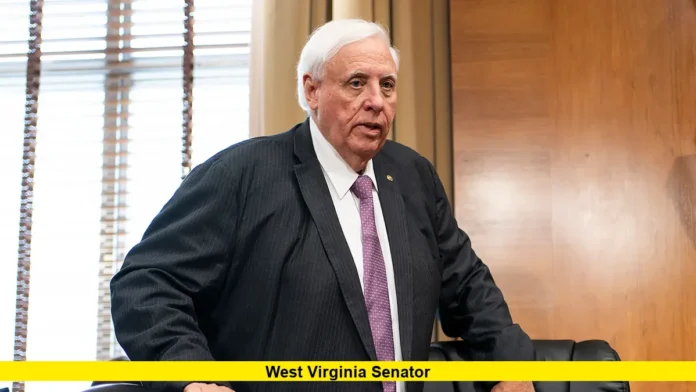
West Virginia Senator Jim Justice has agreed to pay more than $5 million in back taxes after reaching a consent judgment with federal officials. The confirmed development centers on unpaid income taxes connected to the 2009 tax year, marking one of the most significant financial resolutions involving the senator since his transition into federal office.
Federal court filings show that Justice and his wife, Cathy Justice, accepted responsibility for a tax debt totaling more than $5.16 million. The amount reflects the principal balance, accumulated penalties, and interest calculated through 2025. Additional statutory interest will continue to accrue until the full amount is paid. While the agreement still requires a judge’s approval, the filing confirms that both sides have reached a unified position on the resolution.
Table of Contents
A Major Financial Development for the Senator
This settlement arrives at a pivotal moment. Justice recently moved from state leadership into the U.S. Senate, a shift that has brought renewed scrutiny to every aspect of his public and financial life. The tax issue involves an older liability — now more than a decade and a half old — yet its resolution becomes especially relevant as the senator settles into his new role.
The agreement outlines a clear path toward repayment of the full $5.16 million. A consent judgment is a formal step that enables the government to recover the owed taxes while avoiding extended litigation. This approach is typical in cases where both sides agree on the amount owed and wish to expedite resolution.
Federal filings indicate that the amount will continue to grow slightly as interest accrues until the balance is satisfied. The mechanics of the payment, such as timing or installments, will become clear once the court finalizes the judgment.
How the Tax Liability Reached This Point
The tax debt originates from the 2009 tax year. Over time, IRS assessments, penalties, and interest expanded the liability. While federal law prevents disclosure of many specifics behind a tax assessment, the public court filings confirm that the government notified Justice and sought payment before pursuing civil action.
When payment was not received in full, federal officials initiated a formal complaint to secure the outstanding amount. The senator and his wife quickly responded by agreeing to enter a consent judgment, signaling cooperation and a willingness to resolve the matter without delay.
This agreement does not allege criminal wrongdoing. It is a civil tax collection action designed solely to secure repayment of a past-due liability. Once finalized by the judge, the ruling will enable the government to pursue repayment through standard collection procedures if necessary.
A Look at Jim Justice’s Financial Landscape
Justice is known nationally for his extensive business holdings, which have included coal operations, agriculture ventures, and the Greenbrier resort. Over the years, many of these enterprises have faced lawsuits, liens, and financial disputes involving both state and federal entities. This latest development is part of a long line of financial challenges associated with the Justice business network.
As Justice assumes new responsibilities in the Senate, the back-tax settlement highlights how business-related financial matters can continue to follow public officials long after the original events occurred. The senator remains one of the wealthiest individuals ever elected in West Virginia, and his business record is closely watched by supporters and critics alike.
Still, this agreement indicates progress toward addressing long-standing obligations. It shows active engagement with federal demands and a willingness to settle past financial issues rather than prolong them.
Breakdown of the Confirmed Financial Numbers
Below is a clear summary of what has been publicly confirmed:
Tax Period:
- 2009 federal income taxes
Confirmed Amount Owed:
- $5,164,739.75 as of August 2025
What the Total Includes:
- Principal tax liability
- Penalties
- Accrued interest through 2025
Additional Costs:
- Statutory interest continuing to accrue until the debt is fully paid
Case Status:
- Awaiting judge’s approval of the consent judgment
This structured settlement is a standard resolution in civil tax cases where a taxpayer agrees to the government’s assessment and opts to resolve the matter formally in court.
Political Implications for Justice in Washington
Any financial issue involving a newly elected federal official draws national attention. For Justice, this situation carries particular weight because of his high-profile business background and years of public leadership.
However, the settlement does not prevent him from performing his duties in the Senate. It does not allege misconduct related to his office or his campaign. The matter predates his Senate career by many years, and the consent judgment shows that both the senator and federal officials have moved toward closure.
Within West Virginia, reactions tend to fall into predictable political patterns. Supporters point to the settlement as evidence of Justice resolving inherited financial complications, while critics highlight extended financial disputes across the Justice business portfolio. Nonetheless, agreeing to the judgment signals that the senator and his family intend to put this tax issue behind them.
What Happens Next in the Case
The next step is procedural: the federal judge overseeing the case will review the motion for consent judgment. Once approved, the judgment will become enforceable, giving federal authorities the tools they need to secure repayment if the amount is not satisfied voluntarily.
Key developments to watch include:
- Final judicial approval of the consent judgment
- Any future filings specifying repayment terms
- Potential liens or enforcement actions if repayment does not occur promptly
- Public disclosures of any additional resolved tax matters involving the Justice family or business entities
At this stage, the settlement appears straightforward. Both sides agree on the amount owed and the pathway toward resolution.
A Significant Moment for a Newly Elected Senator
As the newly seated West Virginia Senator continues settling into federal office, the tax settlement stands out as an important moment in his early tenure. It reflects both the weight of long-standing financial obligations and the necessity of resolving them promptly once they enter the public record.
While many elected officials face financial controversies at some point in their careers, few involve liabilities of this size. The more than $5 million agreement underscores the scale of Justice’s business and financial background, which has been intertwined with his political identity from the start.
Whether this settlement will reshape public perception remains to be seen. For now, it provides clarity on a major financial matter and reduces the cloud of uncertainty surrounding the senator’s tax history.
What are your thoughts on this major development involving one of the nation’s most watched lawmakers? Share your views in the comments and stay tuned as this story continues to unfold.

