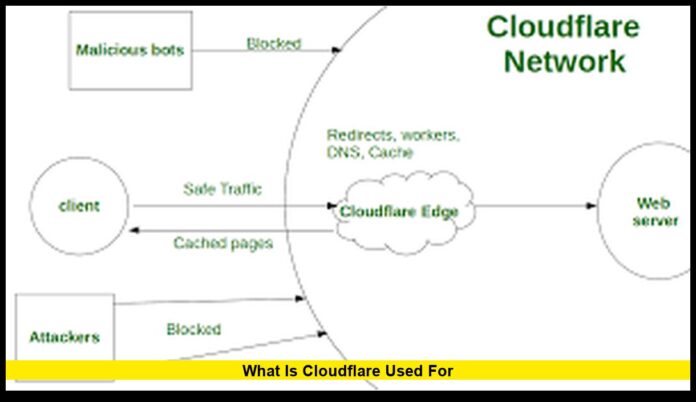
In today’s digital ecosystem, understanding what Cloudflare is used for is essential for anyone running a website, managing online operations, or relying on fast, secure Internet services. As of November 18, 2025, Cloudflare remains one of the most widely used Internet infrastructure companies in the United States, handling enormous amounts of global web traffic daily and continuing to expand its security, performance, and edge-computing services. Recent system events, including a globally reported outage on November 18, brought renewed attention to just how significant Cloudflare’s role has become in powering major platforms across the web.
Opening Paragraph
Cloudflare plays a critical role in protecting and accelerating websites, which makes the question “what is Cloudflare used for” especially important today. In the latest updates from November 2025, Cloudflare continues strengthening its security tools, expanding its global network, and supporting major U.S. platforms that depend on its services for uptime, stability, and protection.
Table of Contents
Improving Website Performance Through Global Content Delivery
One of Cloudflare’s foundational uses is boosting website performance. Its global content delivery network (CDN) distributes cached website assets to servers around the world. When a user loads a website, they connect to a server located close to their physical region, reducing delays and speeding up page load times.
Why this matters for U.S. sites:
- Better performance across all states and regions
- Faster response times for mobile and desktop users
- Reduced bandwidth costs for businesses
- Greater reliability during high-traffic periods
Cloudflare’s network spans hundreds of data centers, allowing it to move content quickly and efficiently.
Strengthening Website Security and Blocking Attacks
Security remains one of the most important reasons businesses in the U.S. rely on Cloudflare. The platform blocks malicious traffic, filters harmful requests, and protects websites from attacks designed to overwhelm servers.
Cloudflare’s security tools include:
- Large-scale DDoS attack protection
- Web application firewall (WAF)
- Bot-management systems
- DNS-level filtering
- Zero-trust access control solutions
In 2025, Cloudflare successfully mitigated several record-breaking cyberattacks targeting high-visibility online platforms. These events reinforced Cloudflare’s status as a critical line of defense across the modern web.
Enhancing DNS Reliability and Providing Domain Services
Cloudflare also operates one of the fastest DNS (Domain Name System) networks available.
When a website uses Cloudflare for DNS, queries route through its global system, offering faster response times and additional security layers that block suspicious patterns.
Benefits include:
- High-speed DNS resolution
- Automatic filtering of dangerous traffic
- Added protection against DNS-based attacks
- Lower risk of system outages
Cloudflare’s DNS service, coupled with optional domain registration and nameserver management, simplifies online operations for businesses of all sizes.
Supporting Edge Computing and Modern Web Applications
Another major use of Cloudflare involves edge computing. Through Cloudflare Workers and its suite of edge-networking products, developers can deploy code that runs directly on Cloudflare’s global servers, reducing latency even further and improving performance for interactive applications.
This technology allows companies to:
- Run serverless code without managing hardware
- Process requests closer to the user
- Build scalable modern apps with less complexity
- Use the network as part of their infrastructure layer
Many U.S. companies are increasingly adopting Cloudflare’s edge platform due to its speed, reliability, and cost advantages.
Giving Website Owners Control Over AI and Content Crawling
With the rapid growth of AI platforms and automated content crawlers, Cloudflare has introduced tools that let website owners control how their content is accessed.
A key update in 2025 added new ways for site administrators to decide whether AI models, automated scrapers, or specialized bots can use or index their content.
This is now used to:
- Block AI models from training on proprietary writing
- Allow search indexing while restricting AI summaries
- Control bandwidth usage caused by heavy crawlers
- Maintain control over intellectual property
As AI becomes more embedded in online operations, this layer of control is increasingly important for content creators, publishers, and online businesses across the U.S.
Managing Website Availability and Reducing Downtime
Cloudflare plays a major role in keeping websites accessible. Its massive global infrastructure and intelligent routing systems help ensure uptime even when networks experience congestion or outages.
However, the large-scale outage on November 18, 2025 highlighted Cloudflare’s central role in the Internet. When its systems experienced disruption, many major platforms across the United States and globally saw downtime or degraded performance.
This event reinforced several points:
- Many critical platforms depend on Cloudflare
- A single provider can influence global availability
- Incident response remains essential for cloud-based services
Cloudflare’s response teams continue to expand monitoring, redundancy, and recovery processes to reduce the likelihood of similar incidents.
Summary Table: What Cloudflare Is Used For Today
| Category | Description | Why It Matters for U.S. Users |
|---|---|---|
| Website Performance | Global CDN speeds up content loading | Faster browsing and improved user experience |
| Security Protection | Blocks attacks and harmful traffic | Keeps websites safe and online |
| DNS & Domain Services | High-speed DNS and domain management | Stability and faster web connections |
| Edge Computing | Serverless functions at the network edge | Modern, scalable applications |
| AI & Crawler Control | Manages automated content access | Protects content and reduces bandwidth strains |
| Uptime & Reliability | Ensures stable access to online services | Reduces downtime risks for businesses and users |
Conclusion
Cloudflare serves as a backbone of the modern Internet, powering faster sites, protecting businesses from attacks, enabling edge-based innovation, and giving creators more control over their content. For U.S. users and companies, relying on Cloudflare means stronger security, improved performance, and a more resilient online presence.
Share your thoughts below—how has Cloudflare impacted your online experience, and what features do you rely on most?

