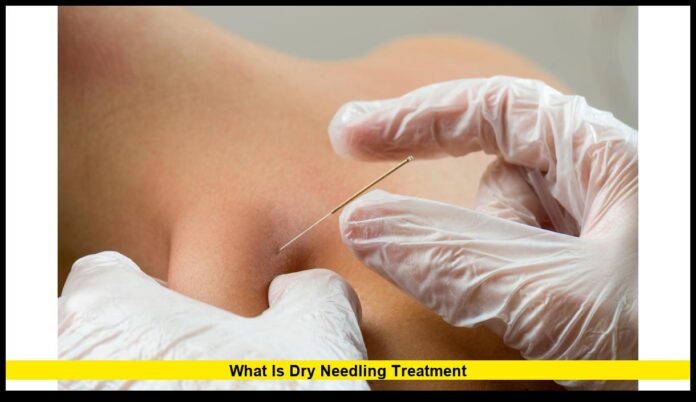
What is dry needling treatment continues to draw attention across the United States as more patients seek effective, non-drug options for muscle pain and movement limitations. Today, dry needling is a regulated clinical technique used by licensed professionals, most commonly physical therapists, as part of evidence-based musculoskeletal care.
Table of Contents
Defining Dry Needling Treatment
Dry needling treatment is a therapeutic procedure that involves inserting thin, solid needles into targeted muscle tissue. These needles are placed in areas known as trigger points, which are tight bands within muscles that can cause pain, stiffness, or reduced mobility.
The treatment is called “dry” because no medication or fluid is injected. The mechanical action of the needle itself is what creates the therapeutic response. In U.S. clinical settings, dry needling is used to address specific physical dysfunctions rather than general wellness concerns.
Who Performs Dry Needling in the United States
In most states, licensed physical therapists are the primary providers of dry needling. Some chiropractors and physicians may also offer the treatment, depending on state regulations. Each state sets its own rules regarding who can perform dry needling and what training is required.
Providers must complete formal education beyond entry-level licensure. This training focuses on anatomy, safety, needle handling, and clinical decision-making. Patients should always confirm that their provider is licensed and properly trained under current state guidelines.
How Dry Needling Affects Muscles and Nerves
Dry needling targets neuromuscular dysfunction. Trigger points can disrupt normal muscle firing patterns and send persistent pain signals to the nervous system. When a needle reaches a trigger point, it may produce a brief muscle twitch.
This response is linked to several therapeutic effects:
- Relaxation of tight muscle fibers
- Improved blood flow in the treated area
- Reduced sensitivity of pain receptors
- Improved communication between nerves and muscles
These changes can help restore normal movement and reduce discomfort during daily activities.
Conditions Commonly Addressed With Dry Needling
In U.S. rehabilitation clinics, dry needling is used for clearly defined musculoskeletal conditions. It is rarely used as a standalone intervention and is typically combined with exercise and manual therapy.
Common clinical applications include:
- Chronic neck and low back pain
- Shoulder pain involving rotator cuff muscles
- Hip and knee pain linked to muscle imbalance
- Muscle-related nerve irritation
- Sports injuries from repetitive strain
- Tension-type headaches associated with neck muscles
Treatment plans are individualized based on the patient’s diagnosis and functional goals.
Dry Needling and Pain Management
Dry needling has gained attention as part of modern pain management strategies. Many patients seek alternatives to long-term medication use. Dry needling offers a localized approach that targets the source of muscle-related pain.
Pain relief may occur quickly for some individuals. Others experience gradual improvement over several sessions. The response depends on factors such as injury history, activity level, and overall health.
What a Typical Treatment Session Looks Like
Each dry needling session begins with a clinical assessment. The provider evaluates posture, movement patterns, and muscle tone to identify problem areas.
During the session:
- The skin is cleaned to maintain sterility
- Needles are inserted into selected muscles
- The needle may remain in place briefly or be moved gently
- The provider monitors patient comfort throughout
Most sessions last between 15 and 30 minutes. Patients often resume normal activity the same day, though mild soreness is possible.
Sensations During and After Treatment
Patients describe a range of sensations during dry needling. Some feel a dull ache or pressure. Others notice a brief twitch or cramping sensation when a trigger point is reached.
After treatment, it is common to experience:
- Muscle soreness similar to post-exercise discomfort
- Temporary stiffness
- Mild fatigue
These effects usually resolve within one to two days. Providers often recommend light movement and hydration after sessions.
Safety Standards and Clinical Precautions
Dry needling is considered safe when performed by trained professionals following established protocols. Providers use sterile, single-use needles and adhere to strict hygiene practices.
Before treatment, patients are screened for factors that may increase risk. This ensures the procedure is appropriate and safe.
Potential reasons for caution include:
- Bleeding disorders
- Use of certain blood-thinning medications
- Skin infections near the treatment site
- Medical conditions affecting healing
Open communication between patient and provider is essential.
Dry Needling vs. Other Manual Therapies
Dry needling is one of several tools used in physical therapy. It differs from massage, stretching, and joint mobilization in its direct approach to muscle trigger points.
While manual therapies work externally, dry needling acts directly within the muscle tissue. This can make it effective for deep or persistent muscle tension that does not respond to surface techniques alone.
Regulation and Scope of Practice
Dry needling regulation varies across the United States. Some states explicitly allow it within physical therapy practice, while others restrict or prohibit its use. These rules continue to evolve as professional boards review education standards and patient safety data.
Providers must stay current with state laws and professional requirements. Patients are encouraged to ask about credentials and training before beginning treatment.
Current Clinical Evidence
Clinical research supports the use of dry needling for short-term improvements in pain and function for certain conditions. Evidence shows better outcomes when it is combined with active rehabilitation strategies.
Dry needling is not presented as a cure-all solution. It is a targeted intervention used within structured treatment programs designed to restore movement and reduce pain.
Insurance Coverage and Cost Considerations
Insurance coverage for dry needling varies. Many health plans cover it when included as part of physical therapy services. Some plans limit the number of covered sessions or require prior authorization.
Out-of-pocket costs depend on geographic location, provider experience, and treatment duration. Patients should discuss coverage and fees before starting care.
Why Dry Needling Remains a Growing Option
Dry needling continues to gain visibility because it aligns with current healthcare trends. These include reducing reliance on medication, improving functional outcomes, and delivering personalized care.
As education standards and regulations become clearer, more patients are learning about how this treatment fits into modern rehabilitation.
Patient Experience and Recovery Goals
Dry needling is most effective when aligned with clear recovery goals. Providers often combine it with strengthening, stretching, and movement education to support lasting improvement.
Patients who actively participate in their rehabilitation plan often report better long-term results.
The Role of Dry Needling in Physical Therapy
Within physical therapy, dry needling serves as a supportive tool rather than a standalone fix. It can help reduce pain enough to allow patients to move more freely and engage in exercise.
This integrated approach reflects how dry needling is used in U.S. clinical practice today.
Have questions or personal experience with this treatment? Share your thoughts below and stay informed as care approaches continue to evolve.

